
Review · ITALY
Discover Abruzzo and Castelferrato: Visit Vineyards and Wine Tasting
The best part of this Castelferrato visit is its close look at five native Abruzzo wines, served with foods from the surrounding region. You move from vineyard and olive grove to the small winery, then taste Trebbiano, Cococciola, Pecorino, Cerasuolo, and Montepulciano. I like the family-run setting and the clear link between each glass, the local land, and the food on your plate.
I also like the tasting menu, especially the Ventricina del Vastese, canestrato pecorino, homemade bread, and the winery’s own oil. The main drawback is weather: wet ground can cancel the vineyard walk, and the tastings may feel modest if you expect generous pours.
Key points to know before booking
- Five Abruzzo wines in one sitting: Taste Trebbiano, Cococciola, Pecorino, Cerasuolo, and Montepulciano, all tied to the area.
- A small working winery: Buzzarone is an active family business, not a polished visitor center. Expect practical surroundings and working tools.
- Food is part of the lesson: Regional cheeses, cured meats, pumpkin in oil, bread, and local olive oil show how wine fits into Abruzzo’s table.
- Outdoor walking depends on conditions: The vineyard and olive grove visit may be skipped when the ground is wet.
- A 150-minute visit for $47: The price covers the walk, winery and cellar visit, five wine pairings, and a substantial tasting board.
- Useful language and access options: Tours are available in Italian, English, and Spanish, and the activity is wheelchair accessible.
A family winery rooted in Castelferrato
This is a good choice if you want to see Abruzzo through a small producer rather than through a large commercial winery. Buzzarone, a family-run business in Castelferrato, presents wine and olive oil as part of local life. The focus is on preserving the identity of the area while using a sustainable way of working.
That matters because you are not simply tasting anonymous Italian wines. The Ruggito line represents the family’s connection to its people and place. The visit gives you a practical look at how grapes and olives are grown, handled, and turned into products meant for the table.
The setting is modest and active. You may see tools and equipment in use, particularly during a busy part of the agricultural year. I consider that a plus if you want a working farm atmosphere. If you prefer a spotless tasting room with displays designed only for visitors, this may feel a little rough around the edges.
Other vineyard visits we rate around Italy
- Half day Chianti Vineyard Escape from Florence with Wine Tastings
★ 4.5 · 2,196 reviews - Private Self-Guided E-Bike Ride in Tuscany with Vineyard Visit
★ 5.0 · 775 reviews - Florence: Chianti Wine Region Vespa or Fiat Topolino Tour
★ 4.8 · 739 reviews
Starting with the vineyards and olive groves
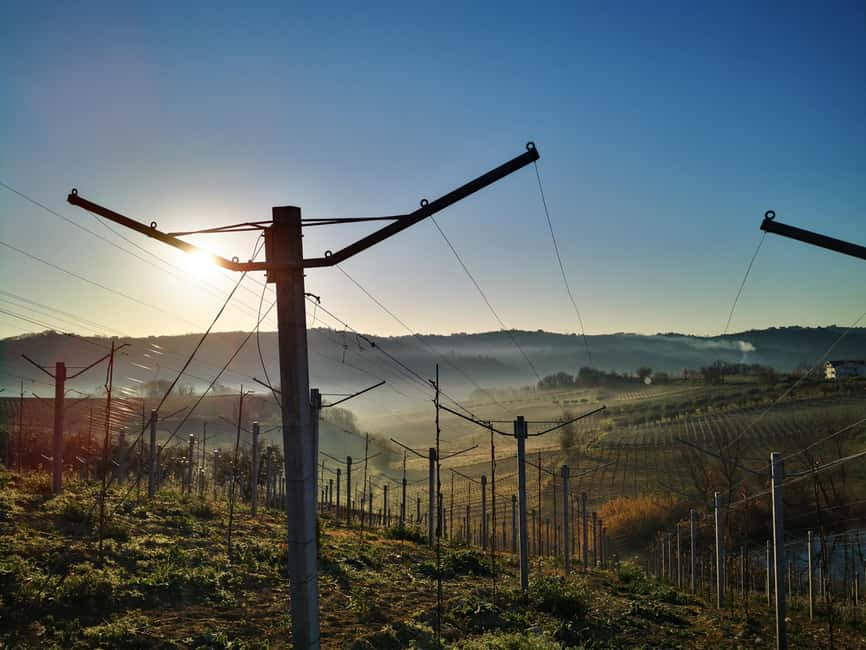
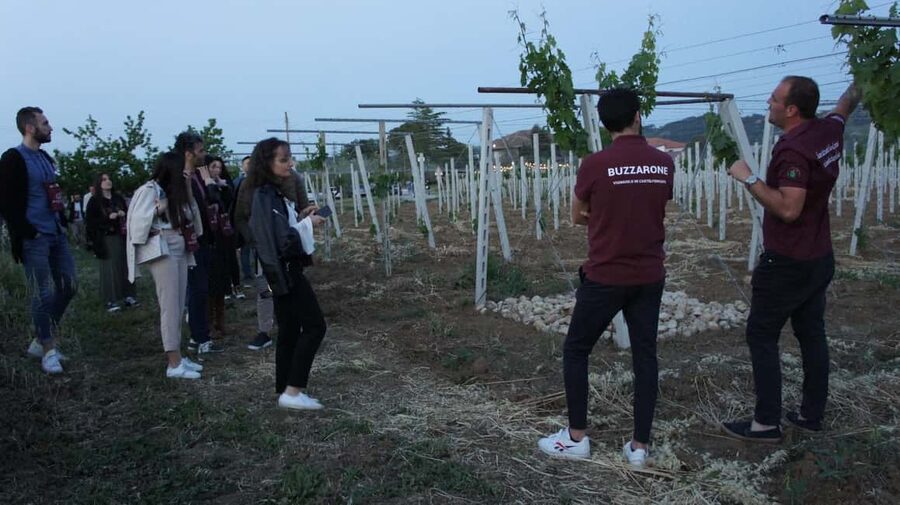
When conditions allow, the visit begins outside with a walk through the vineyards and olive groves. The purpose is not simply to stretch your legs before the tasting. Your guide uses the route to explain the territory and show how the grapes move from field to winery.
This opening gives the wines a useful setting. Trebbiano, Cococciola, Pecorino, Cerasuolo, and Montepulciano are not just names on a menu. They are varieties connected to Abruzzo’s farming traditions and local wine regulations. Seeing the vines first helps you understand that the tasting starts in the soil and rows of plants, not at the bottle.
The olive groves add another layer. The family works with both grapes and olives, and the tasting includes homemade bread with the family’s own oil. That pairing makes the visit feel broader than a standard wine stop. You are learning about a small agricultural business with several products, not only a cellar.
Keep an eye on the weather before you go. The outdoor walk cannot take place when the ground is too wet. One visit had to skip the vineyard portion because the soil was damp, and the lack of suitable boots made the decision understandable. If the walk is especially important to you, wear sturdy shoes and ask about conditions in advance, but know that muddy ground can still change the plan.
Following the grapes into the cellar
After the outdoor portion, the route continues to the winery and cellar. Here you learn how the grapes are handled and how the wine moves through the production process. The guide also explains the story of the winery and its founders, giving the tasting a human connection.
Because the winery is small, the cellar visit is likely to feel direct and practical. You should not expect a grand industrial operation or a long technical lecture with elaborate equipment. Instead, you get a look at the place where this family makes and stores its wine.
That scale can be valuable. It lets you connect the products to the people who make them, and it keeps the visit focused. It also means the surroundings may show signs of real work. Tools may be nearby, and the winery may be active while you are there. I would treat this as part of the setting rather than a flaw, unless you are seeking a formal, highly polished presentation.
The guide speaks Italian, English, or Spanish, which makes the production explanation accessible to a broad range of visitors. The available information does not name the guide, so do not book expecting a particular person. The important point is that a live guide leads the visit rather than leaving you to read labels on your own.
The Ruggito tasting: five wines, five food pairings
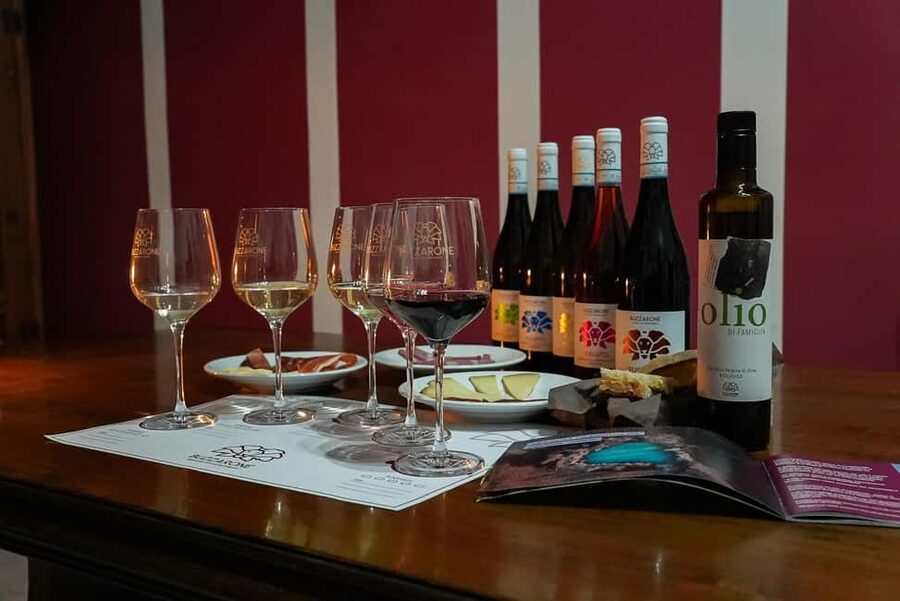
The tasting is the centerpiece of the 150-minute visit. You receive five glasses, each matched with a regional food. The sequence moves through a useful range of Abruzzo styles, from lighter white wines to a more substantial red.
Here is what you taste:
- Trebbiano d’Abruzzo DOC Terre di Chieti Superiore: Served with cow’s milk ricotta from the Majelletta dairy in Guardiagrele.
- Cococciola Abruzzo DOC Terre di Chieti Superiore: Paired with local prosciutto crudo.
- Pecorino Abruzzo DOC Terre di Chieti Superiore: Served with cow’s milk caciotta from the same dairy in Guardiagrele.
- Cerasuolo d’Abruzzo DOC Terre di Chieti Superiore: Matched with donkey mortadella from Alessandro Pelini in Castel del Monte and local pumpkin in oil.
- Montepulciano d’Abruzzo DOC Superiore: Served with Ventricina del Vastese from Ventricina e d’intorni in Roccaspinalveti and canestrato pecorino from Castel del Monte, supplied by Alessandro Pelini.
This is a strong selection for anyone who wants to compare Abruzzo grapes rather than drink a single house wine. The five varieties give you a broad introduction to the area, and the food pairings make the differences easier to notice.
The white wines come with fresh dairy and cured ham. The Cerasuolo brings a rosé-style change of pace, with savory mortadella and sweet, oil-preserved pumpkin. The Montepulciano finishes with stronger flavors, including Ventricina and aged pecorino. The order creates a sensible progression from delicate to bold.
The serving sizes are worth considering. The tasting includes five wines, but the pours may be on the small side. I would see this as a guided sampling rather than an evening of full glasses. The food board adds substance, but anyone hoping for five large servings should adjust expectations.
Same grapes, a different estate to taste:
- From Venice: Prosecco Wine Region Tour with 2 Tastings
★ 5.0 · 374 reviews - Discover Valpolicella Vineyards and Wine Tasting Experience
★ 4.5 · 341 reviews - Pompeii Vineyard Escape: Private Wine Tasting & Lunch
★ 5.0 · 329 reviews - Chianti Delights: A Tale Of Two Wineries With A Vineyard Dinner
★ 4.0 · 324 reviews
Regional food does much of the talking
The food is not a decorative extra. It explains the connection between the winery and the wider Abruzzo food tradition. You taste products from Guardiagrele, Castel del Monte, Roccaspinalveti, and other nearby areas, so the visit gives you more than one producer’s point of view.
The cheeses show different textures and styles. Ricotta is soft and fresh, while caciotta brings a firmer, more developed taste. Canestrato pecorino gives the Montepulciano a salty, sturdy partner. These are useful pairings because they show how wine changes alongside dairy.
The cured meats add another strong local thread. Prosciutto crudo is familiar to many visitors, but Ventricina del Vastese offers a more distinctive Abruzzo taste and carries Slow Food recognition. Donkey mortadella may also be new to you. You do not need to know the products in advance. The guide and pairings provide a simple way to place them.
Do not overlook the bread and oil. Homemade bread with the family’s own oil may be the most direct expression of the farm’s work. It links the olive groves to the table and gives you a useful taste of the second part of the business.
What the two and a half hours feel like
The advertised duration is about 150 minutes. That gives the visit enough time for an outdoor walk, the winery and cellar explanation, and the five-part tasting without making the schedule feel rushed.
Your pace depends on the group and the weather. With dry ground, the experience has a clear movement from land to production area to table. With rain or wet soil, the outdoor section disappears, so more of the visit rests on the winery explanation and tasting.
For many people, two and a half hours is a comfortable length. You get more context than at a quick tasting, but the activity does not take up an entire day. It fits well into a day focused on Abruzzo villages, food, or wine.
The small scale also affects the mood. This is not designed as a theatrical show. The value comes from the setting, the family story, and the chance to taste five local wines with carefully chosen foods. You should arrive ready to ask questions and pay attention to the details rather than expect constant entertainment.
Is $47 a fair price?
At $47 per person, the experience offers reasonable value if you want both a winery visit and a food tasting. You are paying for roughly two and a half hours, a guided walk when weather permits, access to the winery and cellar, five wine samples, and a board of homemade and regional products.
The strongest part of the value is the range. A basic wine tasting might give you several pours, but this visit adds olive groves, production context, and food from several Abruzzo suppliers. The use of local specialties such as Ventricina del Vastese and canestrato pecorino gives the tasting more character than a generic cheese plate.
The value is less convincing if your priority is quantity. The pours are tasting portions, not full glasses, and one assessment of the visit wished for larger samples. You may leave satisfied, especially with the food, but you should not treat this as a replacement for a long lunch or a full wine dinner.
For a curious wine drinker, food-minded visitor, or couple looking for a local activity, I think the price is fair. For someone who only wants to drink as much wine as possible, another format may suit you better.
Who will enjoy this visit most?
I would recommend it to people who like small producers, regional foods, and a direct connection to farming. It is particularly useful if you want to learn the names and styles of several Abruzzo grapes in one sitting.
It also suits visitors who enjoy food pairing. The menu is specific and local, with cheeses, cured meats, pumpkin in oil, bread, and family olive oil. You are not left with wine alone, and the pairings help make the tasting feel like a regional meal.
The experience may be less suitable if you need a guaranteed vineyard walk. Wet weather can remove that part of the schedule. It may also disappoint anyone who wants a large estate, a formal visitor center, or generous wine pours.
Wheelchair accessibility is listed, which makes the activity easier to consider for visitors with mobility needs. Since the outdoor walk can change with ground conditions, it is sensible to confirm the practical arrangements before arrival if you need specific access support.
Booking, cancellation, and languages
You can cancel up to 24 hours before the activity for a full refund. The reserve now and pay later option also helps if your Abruzzo plans are still shifting.
The live tour is available in Italian, English, and Spanish. Some content may appear in its original language, so you may occasionally encounter Italian names or product terms. That is especially likely with the wine varieties, local foods, and place names.
The starting time is selected according to availability. Plan for the full 150 minutes, and allow extra time around it if you have another appointment. The vineyard walk depends on weather, so a flexible schedule is useful.
Should you book Buzzarone in Castelferrato?
Book this visit if you want local wine, local food, and a working family business in one compact experience. The five native wines are the main reason to go, while the regional pairings give you a better sense of Abruzzo than a tasting built around international varieties.
I would book it with two expectations in mind: the setting is small and active, and the pours are tasting portions. If you are comfortable with that, $47 buys a well-rounded introduction to the Ruggito line, the family’s olive oil, and the food traditions around Castelferrato.
If the vineyard walk is your top priority, check the ground conditions first. On a dry day, the full route gives you the best version of the visit. On a wet day, the cellar and tasting still offer value, but the outdoor connection to the vines will be missing.
FAQ
How long does the vineyard and wine tasting experience last?
The experience lasts about 150 minutes, or two and a half hours.
How much does the experience cost?
The price is $47 per person.
Which wines are included?
The tasting includes Trebbiano d’Abruzzo DOC Terre di Chieti Superiore, Cococciola Abruzzo DOC Terre di Chieti Superiore, Pecorino Abruzzo DOC Terre di Chieti Superiore, Cerasuolo d’Abruzzo DOC Terre di Chieti Superiore, and Montepulciano d’Abruzzo DOC Superiore.
What food is served with the wine?
The pairings include ricotta, prosciutto crudo, caciotta, donkey mortadella, pumpkin in oil, Ventricina del Vastese, canestrato pecorino, homemade bread, and the family’s own olive oil.
Can I visit the vineyards in bad weather?
The vineyard and olive grove walk may not take place when the ground is wet. The winery visit and tasting can still form part of the experience.
What languages are available?
The live guide is available in Italian, English, and Spanish. Some content may be shown in its original language.
Is the activity wheelchair accessible?
Yes, the activity is listed as wheelchair accessible.
Newly reviewed vineyards around Italy
- Winery Visit & Tasting near Grosseto with 6 wines★ 4.8 · 6 reviews
- Winery Visit & Tasting on the Volcanic Slopes near Catania★ 5.0 · 2 reviews
- Winery Visit on Parma Hills & Wine Tasting with Food Platter★ 5.0 · 26 reviews
- Wine tasting under the Stars in the vineyards of Agrigento★ 5.0 · 3 reviews
- Wine tour and lunch or dinner at our vineyard★ 4.6 · 15 reviews
- Wine Tasting and Winery Visit near Asti and Turin★ 4.5 · 5 reviews
- Walk through our vineyard and aperitif★ 4.7 · 19 reviews
- Volterra: Aperivintage aperitif in vineyard whit a Fiat 500★ 5.0 · 7 reviews
Italy Vineyard Tours, compared.
Half day Chianti Vineyard Escape from Florence with Wine Tastings
Read our review →
Private Self-Guided E-Bike Ride in Tuscany with Vineyard Visit
Read our review →
Florence: Chianti Wine Region Vespa or Fiat Topolino Tour
Read our review →
From Venice: Prosecco Wine Region Tour with 2 Tastings
Read our review →
Discover Valpolicella Vineyards and Wine Tasting Experience
Read our review →
Pompeii Vineyard Escape: Private Wine Tasting & Lunch
Read our review →
Chianti Delights: A Tale Of Two Wineries With A Vineyard Dinner
Read our review →
Naples Scenic E-Bike Ride to a Local Vineyard with Meal
Read our review →Lists this tour appears in