
Review · ITALY
Franciacorta: visit the vineyard, cellar, and enjoy an Edea To tasting
Franciacorta’s appeal comes into focus at Mirabella, where you move from rows of Pinot Blanc vines to a 1942 winery that still uses its original concrete fermentation tanks. It is a hands-on look at how this Lombardy sparkling wine begins, rather than a tasting that skips straight to the glass.
I like the walk through the Pinot Blanc collection vineyard, and I like that the tasting includes three distinct styles instead of three near-identical pours. The main consideration is simple: the cellar is cool, so bring a jacket, and wear shoes that can handle a walk over winery surfaces.
Key points to know before you book
- Pinot Blanc has a special role here: Mirabella is identified as Franciacorta’s first producer of Pinot Blanc.
- The 1942 cellar still works: Original concrete tanks are used for the first fermentation.
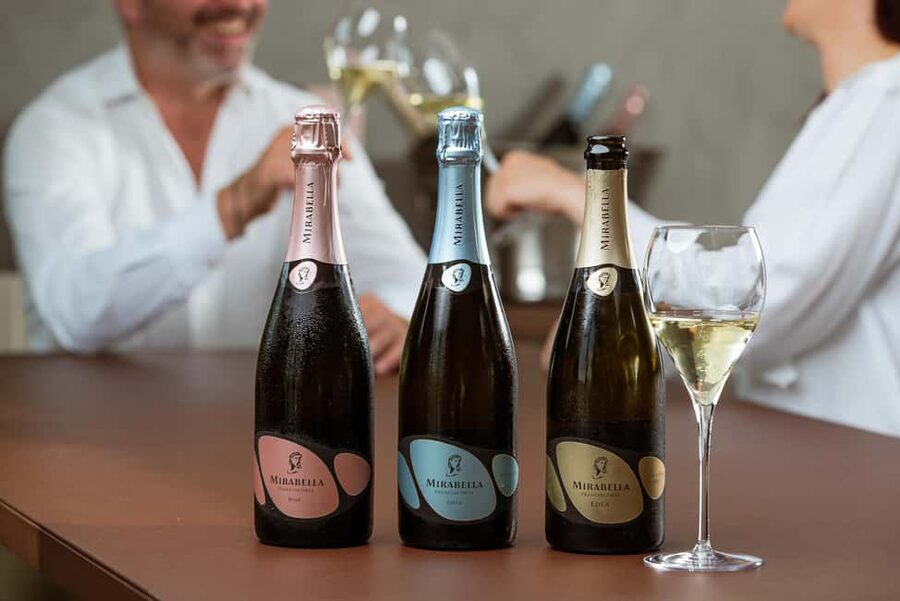
- The tasting covers three styles: You try Edea Brut Blanc de Blanc, Satèn Brut Millesimato, and Rosé Brut.
- A guide brings the visit to life: Tours are offered in English or Italian, with Chiara receiving particular praise for her clear and passionate explanations.
- The food pairing is modest but useful: Artisanal taralli and breadsticks help you compare the wines without turning the visit into a full meal.
- The visit is practical for many travelers: Families, children, pets, and wheelchair users are welcome, though you should mention children or pets when booking.
Why this Mirabella visit is worth your time
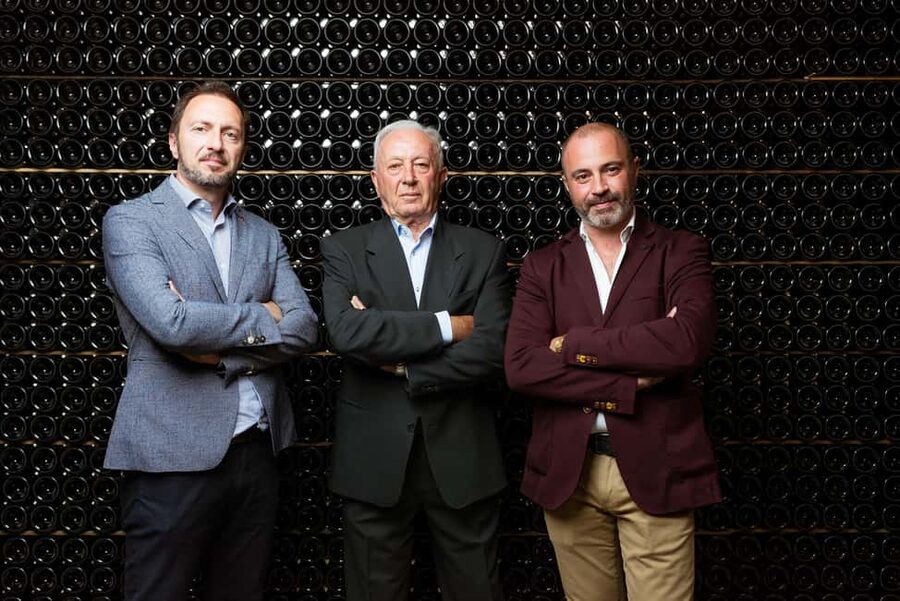
Franciacorta is Lombardy’s best-known sparkling-wine area, and a winery visit gives you a clearer sense of place than a restaurant bottle alone. At Mirabella, the experience links the wine to the vineyard, the cellar, and the family story behind the estate.
That connection matters because Franciacorta is not simply a drink served cold. You see where the grapes grow, hear how the vines are managed, and then enter the part of the winery where fermentation and aging shape the final wine. The sequence gives you a useful framework for the tasting.
The experience costs $38 per person. For that price, you receive a guided vineyard visit, a look at a working historic cellar, three wine samples, and small savory accompaniments. I consider that fair value for anyone already planning to visit Franciacorta, especially since the tasting is tied to the production process rather than offered as a stand-alone bar service.
Do not expect a large meal or an all-day vineyard excursion. The actual visit is described as about two hours, even though the booking information lists the duration as one day for scheduling purposes. Think of it as a focused winery experience that can fit neatly into a wider day in Lombardy.
More Wine Cellar Visits in Italy:
- Abellonio Cascina Piccaluga – visit to the vineyards, to the wine tasting cellar
★ 5.0 · 237 reviews - Prosecco tasting, appetizers and tour of the cellar and vineyards
★ 5.0 · 178 reviews - Riomaggiore: Vineyard & Wine Cellar Tour with Wine Tasting
★ 4.7 · 100 reviews
Starting at V. Cantarane, 2
You begin at the Mirabella property on V. Cantarane, 2. Park in the outdoor square, then go to the reception area of the Enoteca and let the winery know you have arrived.
This arrival detail is worth following closely. Do not walk directly into the winemaking area or enter the cellar on your own. The reception point keeps the visit organized and allows the staff to bring you into the production spaces at the right time.
The visit includes time for a photo stop, a guided walk, and shopping. That last part can be useful if one of the wines suits your taste, but you are not required to buy anything. The experience returns to the same starting point, so you do not need to arrange a separate end location.
The property offers tours in English and Italian. If language matters to you, check the available time before booking. Some material may remain in its original language, so you may want to ask the guide to clarify technical points during the visit.
Walking among Mirabella’s Pinot Blanc vines
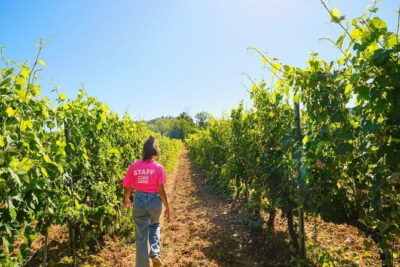
The first major stop is the Pinot Blanc collection vineyard. You walk between the rows and look at the range of grapes used in Mirabella’s work with this variety.
The key point is not just that you see vines. Pinot Blanc has a particular place in Mirabella’s identity, since the winery is presented as Franciacorta’s first producer of Pinot Blanc. That makes this opening stop more specific than a generic vineyard stroll.
Your guide explains cultivation methods and the production approach used by the estate. You also hear about the relationship between the land and the wine, which gives the later cellar visit a practical context. When you taste the Blanc de Blanc, you have already seen the grape source and heard why the variety matters here.
The walk should be easy for most people, but you still need sensible footwear. Closed, comfortable shoes are recommended, while heels or unstable shoes are a poor match for vineyard paths and winery surfaces. If you use a wheelchair, the activity is listed as wheelchair accessible, though it is still sensible to confirm any personal mobility needs when reserving.
This part is also useful for families. Children can see the vines and production setting without needing to sit through a long formal tasting. The winery says children and pets are welcome, but you should mention them when booking.
Inside the original 1942 winery
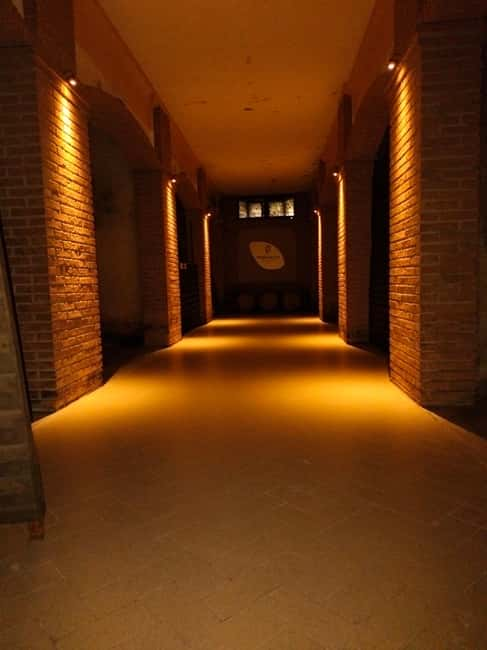
The historic winery is the most distinctive part of the visit. Mirabella’s 1942 cellar still contains original concrete tanks, where the first fermentation takes place.
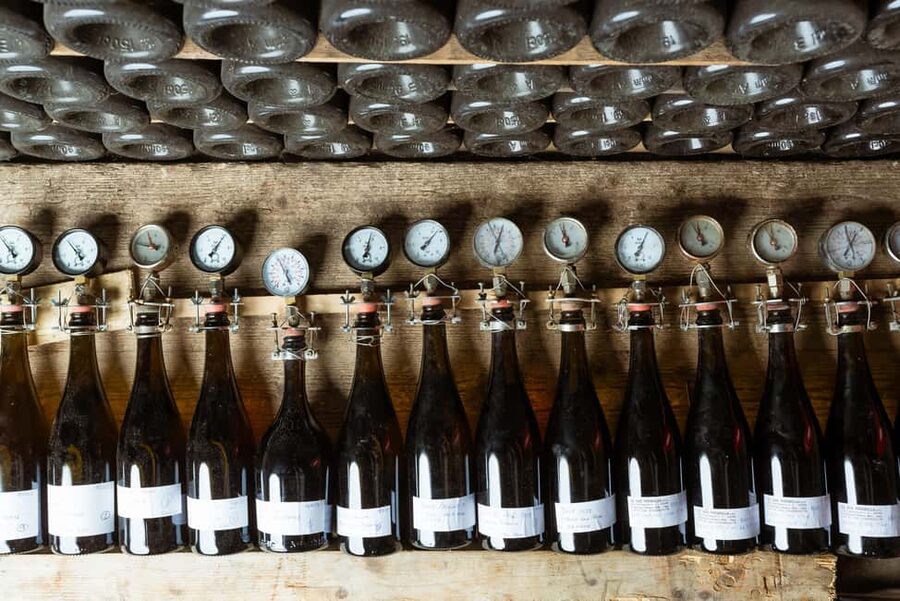
Concrete tanks make this more than a photo stop. They show that older winery structures can remain part of active production, even as other parts of winemaking change over time. Your guide explains how fermentation works and how the wines later develop and age.
The cellar also helps you understand the difference between making a sparkling wine and simply pouring one. You learn about the stages that shape Franciacorta, from the first fermentation through the work of aging. The exact amount of technical detail may depend on your guide and the questions you ask, but the visit is designed to cover both the winery’s origins and its current methods.
I would bring a jacket even on a warm day. The cellar is cooler than the outside areas, and you may spend enough time inside to notice the change. Comfortable closed shoes are also a good idea here.
The family story adds a human layer to the technical explanation. One particularly well-received tour was led by Chiara, who explained both the family’s origins and the winemaking details with clear enthusiasm. You cannot assume every time slot will have Chiara, but the experience is designed around a qualified live guide rather than an audio recording.
Other vineyard visits we rate around Italy
- Half day Chianti Vineyard Escape from Florence with Wine Tastings
★ 4.5 · 2,196 reviews - Private Self-Guided E-Bike Ride in Tuscany with Vineyard Visit
★ 5.0 · 775 reviews - Florence: Chianti Wine Region Vespa or Fiat Topolino Tour
★ 4.8 · 739 reviews - From Venice: Prosecco Wine Region Tour with 2 Tastings
★ 5.0 · 374 reviews
Three Mirabella wines, three different impressions
The final part is a guided tasting of three representative Mirabella wines. The selection gives you a useful range, moving from a mineral Blanc de Blanc to a creamier Satèn and then a fruitier rosé.
Edea Brut Blanc de Blanc
Edea Brut Blanc de Blanc is described as elegant and mineral. Since the tour begins with the Pinot Blanc vineyard collection, this wine provides a natural link between the outdoor walk and the tasting table.
Pay attention to how the wine feels compared with the other two pours. The mineral character should give you a more focused impression, while the Blanc de Blanc style keeps the emphasis on white grapes rather than color or red-fruit notes.
Satèn Brut Millesimato
Satèn Brut Millesimato is the creamy and refined option in the lineup. This gives you a chance to compare texture as well as aroma.
If you are new to Franciacorta, this is a useful reminder that sparkling wines can differ greatly in body and mouthfeel. The Satèn should feel softer and rounder beside the more mineral Edea. The term Millesimato also points to a vintage-designated wine, making this pour a good moment to ask the guide how the year affects the bottle.
Rosé Brut
Rosé Brut closes the tasting with a more intense and fruity profile. It gives the lineup a clear change in color and flavor, so the three wines do not blur together.
I like this order because it helps you compare rather than simply sample. You can consider freshness in the Edea, creaminess in the Satèn, and fruit in the Rosé. If one bottle catches your attention, the on-site shopping stop lets you look for it before leaving.
The tasting includes artisanal taralli and breadsticks. These are small snacks, not a substitute for lunch, but they serve an important purpose. A little food lets you taste more comfortably and gives you something plain and salty against which to compare the wines.
If you need a substantial meal, plan that separately. The experience is built around wine education and tasting, not a long food pairing menu.
What the guide adds to the visit
A winery can be interesting on its own, but the guide determines how much you take away. Here, the guide connects the vineyard, family story, concrete tanks, fermentation, and final wines into one short visit.
Chiara is the only guide named in the available information, and her tour received especially strong praise for passion and technical explanations. That combination is valuable. A guide who explains only tasting notes can leave you unsure how the wine was made, while a guide who focuses only on machinery can make the tasting feel dry. The best version of this visit gives you both sides.
You should ask questions as you go. Useful topics include why Pinot Blanc matters to Mirabella, what happens during the first fermentation, and how the three wines differ in style. The staff can also explain the winery’s aging methods and the family’s connection to the property.
The experience has received a perfect rating from the five recorded reviews available, with repeated praise for the organization, friendly staff, cellar, and wine quality. That is a small sample, so I would not treat it as a guarantee of every future tour. Still, the praise points to the right reasons to book: personal guidance, a working historic cellar, and a tasting that has enough range to hold your interest.
Who will enjoy this Franciacorta experience
This is a good choice if you want a short, focused winery visit rather than a full-day wine program. You get a vineyard, a production area, and a tasting without committing an entire day to a single property.
It suits wine beginners because the guide explains the basics in a logical order. You do not need to arrive with detailed knowledge of Franciacorta. Seeing the grapes first and tasting afterward gives you an easy way to connect the explanation to what is in your glass.
It also works for people who already know sparkling wine and want a closer look at Pinot Blanc or traditional winery methods. The 1942 concrete tanks provide a specific point of interest that many modern tasting rooms do not offer.
Families can consider it as well, since children are welcome. Keep in mind that the heart of the visit is still an adult wine tasting, so families should decide if that format suits their group. Pets are also allowed when mentioned at booking.
The experience is listed as wheelchair accessible. Because the tour includes outdoor vineyard walking and cellar access, anyone with specific mobility requirements should confirm the route and arrangements before arrival.
Practical details that make the visit easier
Book ahead if you need a particular start time. Available times can change, and the booking system allows you to reserve now and pay later, which helps if your Lombardy plans are still taking shape.
Free cancellation is available up to 24 hours before the experience for a full refund. That gives you some room to adjust plans, though you should still check the exact terms at booking.
Wear comfortable closed shoes. This is more important than dressing up for a winery. You will walk through the vineyard and production areas, and unstable footwear will only make the visit less pleasant.
Bring a jacket or coat for the cellar. The cooler temperature is one of the few repeated practical cautions, and it is easy to solve with one extra layer.
Allow about two hours for the actual visit, plus any time you spend shopping or speaking with the staff afterward. Since the experience begins and ends at V. Cantarane, 2, it is simple to combine with another stop in Franciacorta if you have transportation and a clear schedule.
Should you book the Mirabella Edea Tour?
Book it if you want to understand Franciacorta through a real vineyard and working cellar, then compare three wines in a calm, guided tasting. The 1942 concrete fermentation tanks and the focus on Pinot Blanc give the visit more character than a basic tasting-room appointment.
The $38 price is reasonable for the vineyard walk, cellar tour, three wines, snacks, and live guidance. I would choose it especially if you value explanation and production details as much as the tasting itself.
Skip it if you are looking for a long lunch, a full-day wine circuit, or a large selection of bottles. This is a compact visit with a clear purpose. For a first introduction to Mirabella and Franciacorta, though, it offers a sensible mix of place, history, technique, and taste.
FAQ
Where does the Mirabella winery visit begin?
The meeting point is V. Cantarane, 2. Park in the outdoor square, then report your arrival at the reception area of the Enoteca.
How long does the winery visit take?
The visit itinerary describes about two hours at the winery. The booking information lists the activity duration as one day for scheduling, so check the available start time when reserving.
Which wines are included in the tasting?
You taste Edea Brut Blanc de Blanc, Satèn Brut Millesimato, and Rosé Brut.
Is food included with the wine tasting?
Yes. The tasting includes artisanal taralli and breadsticks.
Is the tour available in English?
Yes. Live guided tours are offered in English and Italian. Some content may be presented in its original language.
What should I bring and wear?
Bring a jacket or coat because the cellar is cooler. Wear closed, comfortable shoes, and avoid heels or unstable footwear.
Newly reviewed vineyards around Italy
- Winery Visit & Tasting near Grosseto with 6 wines★ 4.8 · 6 reviews
- Winery Visit & Tasting on the Volcanic Slopes near Catania★ 5.0 · 2 reviews
- Winery Visit on Parma Hills & Wine Tasting with Food Platter★ 5.0 · 26 reviews
- Wine tasting under the Stars in the vineyards of Agrigento★ 5.0 · 3 reviews
- Wine tour and lunch or dinner at our vineyard★ 4.6 · 15 reviews
- Wine Tasting and Winery Visit near Asti and Turin★ 4.5 · 5 reviews
- Walk through our vineyard and aperitif★ 4.7 · 19 reviews
- Volterra: Aperivintage aperitif in vineyard whit a Fiat 500★ 5.0 · 7 reviews
Italy Vineyard Tours, compared.
Half day Chianti Vineyard Escape from Florence with Wine Tastings
Read our review →
Private Self-Guided E-Bike Ride in Tuscany with Vineyard Visit
Read our review →
Florence: Chianti Wine Region Vespa or Fiat Topolino Tour
Read our review →
From Venice: Prosecco Wine Region Tour with 2 Tastings
Read our review →
Discover Valpolicella Vineyards and Wine Tasting Experience
Read our review →
Pompeii Vineyard Escape: Private Wine Tasting & Lunch
Read our review →
Chianti Delights: A Tale Of Two Wineries With A Vineyard Dinner
Read our review →
Naples Scenic E-Bike Ride to a Local Vineyard with Meal
Read our review →Lists this tour appears in