
Review · MADRID
Madrid: half day wine region tour
Madrid’s best wine country is close enough for a half-day escape. In about 40 minutes, you leave the city for vineyards, olive groves, cereal fields, and old Castilian villages before visiting two small wineries in the Vinos de Madrid appellation.
I like the personal scale of this tour and the chance to taste with winery owners and cellar masters. I also like having a bilingual winemaker guide, including guides such as Enrique, who can explain both the wine and the countryside without turning the day into a classroom lecture. The main drawback is the fixed six-hour schedule, with no hotel pickup and little room for an independent stop in the villages.
Key points to know before you book
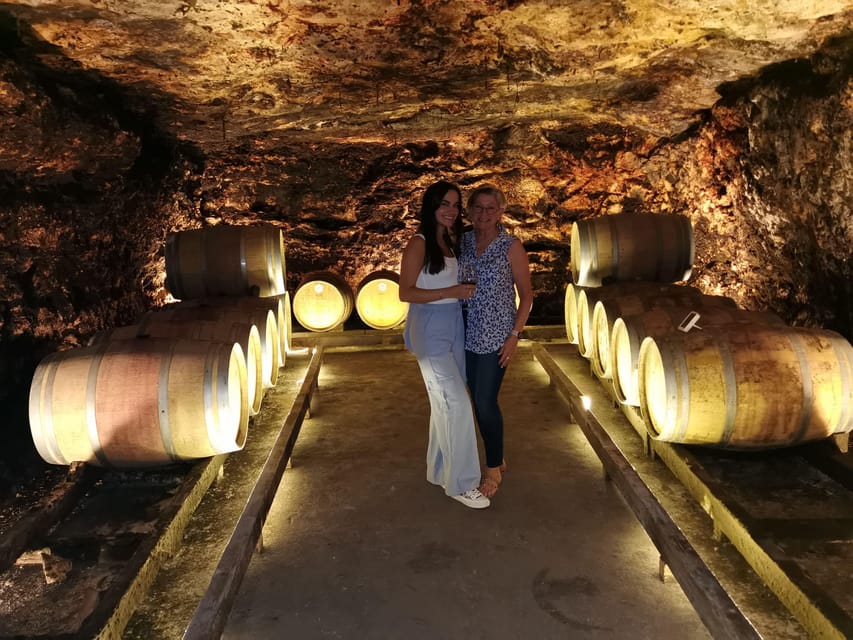
- Two family-run wineries: Visit centennial producers that still work on a small scale rather than large commercial estates.
- At least six wines: Expect a useful spread of reds, whites, rosés, and sparkling wines.
- Madrid’s southern wine country: Pass vineyards, olive trees, cereal fields, and medieval villages near Chinchón and Colmenar de Oreja.
- Small group setting: The Mercedes van carries no more than eight participants, making conversation with the guide easier.
- Wine-focused leadership: Your English or Spanish-speaking guide is trained as a winemaker and certified as a wine expert.
- Appetizers included: Tapas-style accompaniments help turn the tastings into a light meal.
Why Madrid’s wine country is worth your morning
Madrid is not usually the first Spanish city people connect with wine. Rioja, Ribera del Duero, and Priorat get more attention. Yet the Community of Madrid has its own Denominación de Origen, known as Vinos de Madrid, and it has been producing wines with national and international reach for more than 30 years.
That makes this outing useful for anyone who wants to see another side of the capital. You are not simply sampling bottles in a Madrid bar. You are heading into the Castilian countryside where vines grow beside olive trees and broad cereal fields.
The setting also helps explain the wines. The tour introduces grapes such as Tempranillo, Cabernet Sauvignon, Garnacha, Syrah, and Malvar. Some wines are made for easy drinking, while others become more complex after time in oak barrels. You do not need a trained palate to enjoy the tasting. The guide’s job is to give you enough context to notice the difference between a young, fresh wine and one shaped by aging.
I especially like that the tour joins wine with place. The old villages are not filler between tastings. Their churches, plazas mayores, and medieval architecture give you a quick look at the older Madrid region, far from the city center’s museums and grand boulevards.
More Wine Country Day Trips in Spain
- From Fuerteventura: Lanzarote Volcano and Wine Region Tour
★ 4.4 · 1,220 reviews - Lanzarote Volcano and Wine Region Tour from Fuerteventura
★ 4.5 · 264 reviews - Sun and Wine Route – Small group, wine tasting and tapas included
★ 5.0 · 87 reviews
Leaving Madrid in a Mercedes van
The meeting point is Granier, a small coffee and bakery shop near Menéndez Pelayo metro station. Take Line 1 to Menéndez Pelayo. The stop is only one station from Atocha train station, which makes the meeting point practical if you are staying near the station or arriving by train.
There is no pickup or drop-off at your accommodation, so allow time to reach Granier. This is a minor inconvenience, but an important one. The day begins when you meet at the designated point, not when you walk out of your hotel.
The drive to the wine region takes about 45 minutes. The Mercedes van and maximum group size of eight should feel more personal than a large coach excursion. You will have a better chance to ask questions, hear the guide, and get a clear explanation of the wines without shouting across a bus.
The road is part of the experience. The city gives way to fields, olive groves, vineyards, and small settlements. The countryside is not lush in the northern Spanish sense. Its appeal is its dry, open Castilian character, with Mediterranean crops arranged among wide agricultural fields.
Bring comfortable clothes and shoes. The tour runs rain or shine, so a light weather check before leaving Madrid is sensible. You will spend time walking around winery grounds and villages, though the supplied information does not give a detailed accessibility description.
First winery: a family-scale introduction to Vinos de Madrid
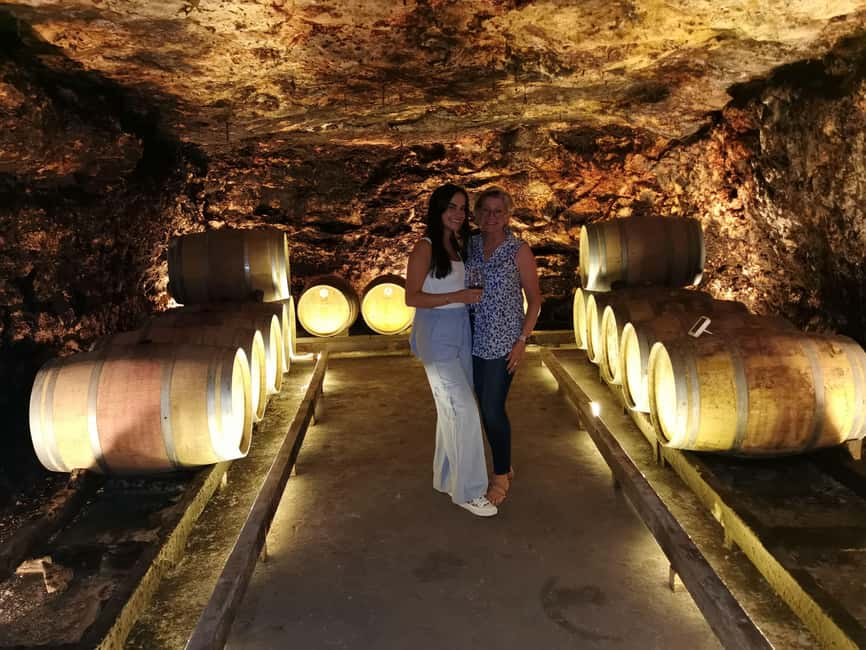
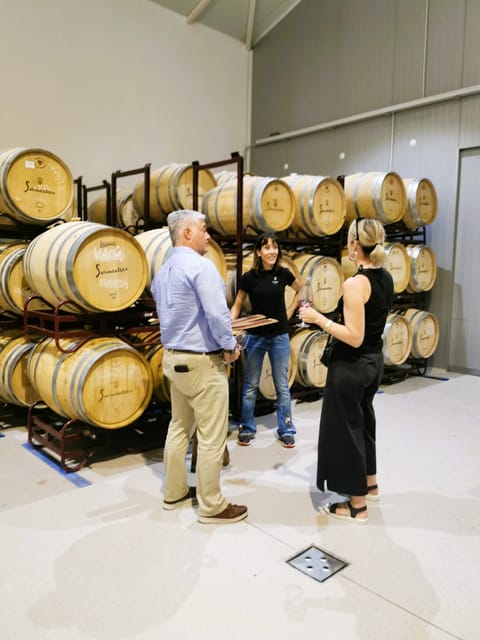
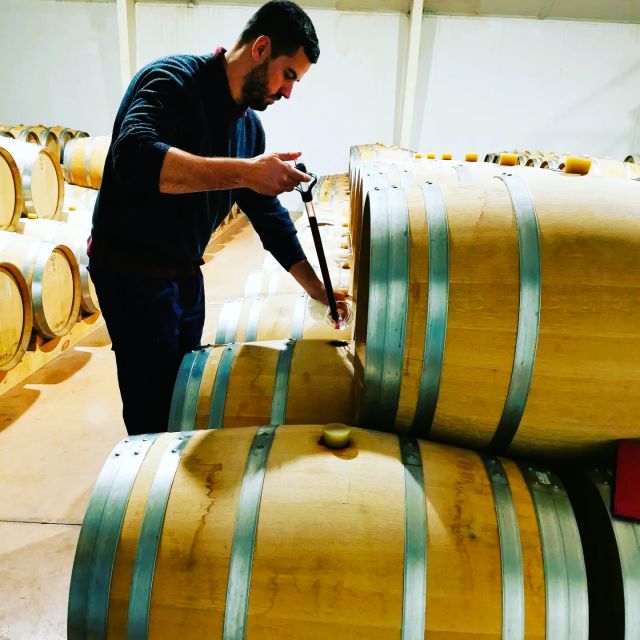
The first winery visit lasts about 105 minutes, giving you enough time for more than a quick pour and a sales pitch. You visit the property, learn how the wines are made, and taste the producer’s top wines with help from the owners or cellar staff.
This family scale is one of the strongest reasons to choose the tour. At a large estate, the explanation can feel polished and distant. Here, the focus is on people still closely involved in the work. You can ask how the grapes are handled, why certain varieties are planted, and what oak aging does to the final wine.
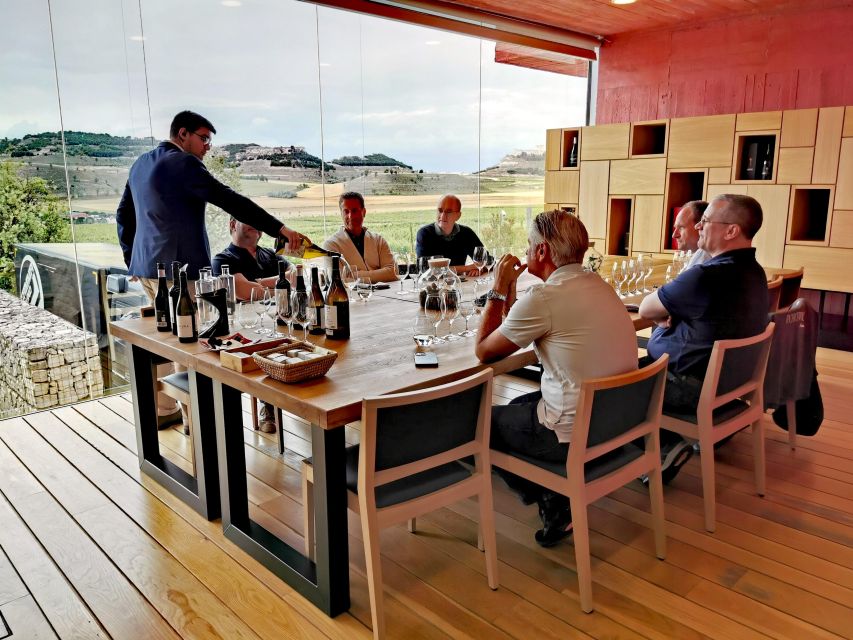
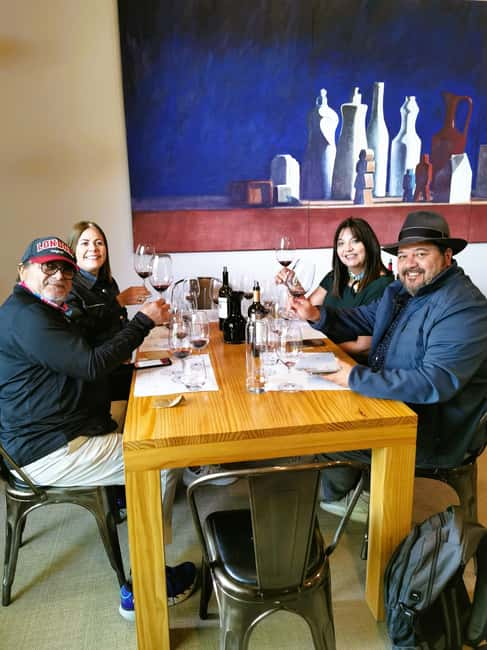
The tasting includes wines from several styles. You may try reds based on Tempranillo, Garnacha, Cabernet Sauvignon, or Syrah, along with white wine made from Malvar. Rosé and sparkling wines are also part of the full tasting program, so you are not spending the entire morning on heavy reds.
At least six wines are included across the two wineries. The exact selection can vary, but the range should give you a better sense of the appellation than a tasting devoted to one grape or one color.
Appetizers accompany the wine. Think of these as useful tapas-style bites rather than a full restaurant lunch. They matter because six or more tastes over several hours are best enjoyed with food, and they help make the outing feel like a relaxed Spanish social experience rather than a technical exam.
Medieval villages and the road between tastings
Between the winery visits, the tour includes roughly 30 minutes of scenic driving and a traditional village. Chinchón and Colmenar de Oreja are named as examples of the medieval villages in this area.
You should think of this portion as a compact introduction, not a full village tour. The time is enough to appreciate the architecture, church, plaza mayor, and surrounding views, but not enough for a long independent wander through every side street.
Chinchón is especially known for its distinctive central square and old-town character, while Colmenar de Oreja has its own churches, plazas, and traditional buildings. The specific village included can depend on the day’s route, so do not book this expecting a guaranteed extended visit to one particular town.
Still, the stop adds real value. Many wine excursions rush from city to winery and back again. Here, you get a glimpse of the communities that shaped the region’s farming and wine culture. The old stone streets and open plazas help put the vineyards in context.
Keep your camera ready during the drive. The view is made up of vines, olive trees, cereal fields, and low historic settlements rather than dramatic mountains. It is a quiet, agricultural part of Madrid, and that is precisely its appeal.
Same grapes, a different estate to taste:
- Toledo Tour & Vineyard Walk with Wine Tasting from Madrid
★ 5.0 · 2,546 reviews - Montserrat Full Day Tour with Farmhouse Lunch and Winery Visit
★ 5.0 · 1,068 reviews - Montserrat & Winery Visit Tour with Traditional Farmhouse Lunch
★ 4.5 · 1,035 reviews - From Barcelona: Penedés Vineyards Tour by 4WD w/Wine & Cava
★ 4.8 · 808 reviews
Second winery: compare the bottles and the approach
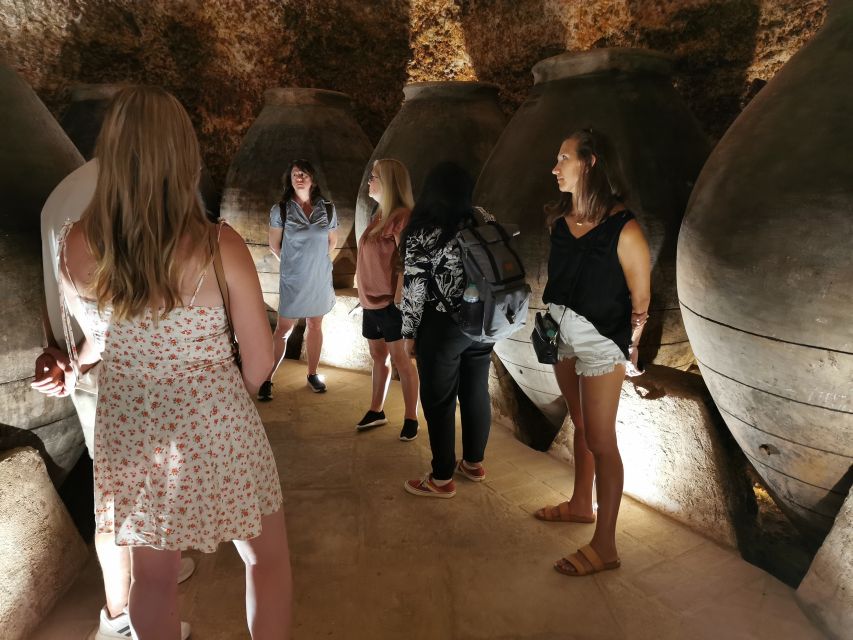
The second winery also receives about 105 minutes. By this point, you will have a reference point from the first visit, which makes comparison easier.
Notice how two producers use the same broad wine region in different ways. One may emphasize fresh, easy-drinking bottles, while another may give more attention to oak aging or fuller reds. The grapes may overlap, but the final wines can still feel different because of vineyard conditions, cellar choices, and aging methods.
The owners or cellar masters lead the tasting of their top wines. That personal contact is more valuable than simply being told a list of tasting notes. You can ask practical questions about the wines you actually like, including which bottles are intended for early drinking and which benefit from time in oak.
One winery specifically praised in the supplied comments was Jesús Díaz e Hijos. It may be a highlight for some departures, but the available information does not promise that every tour visits it. Treat it as a possible stop, not a guaranteed one.
The second tasting also helps you decide what kind of Madrid wine suits your taste. If you prefer lighter whites, rosés, or sparkling wines, the selection is not limited to powerful reds. If you usually drink red wine, the Tempranillo, Garnacha, Cabernet Sauvignon, and Syrah give you several points of comparison.
The guide can make or break a wine tour
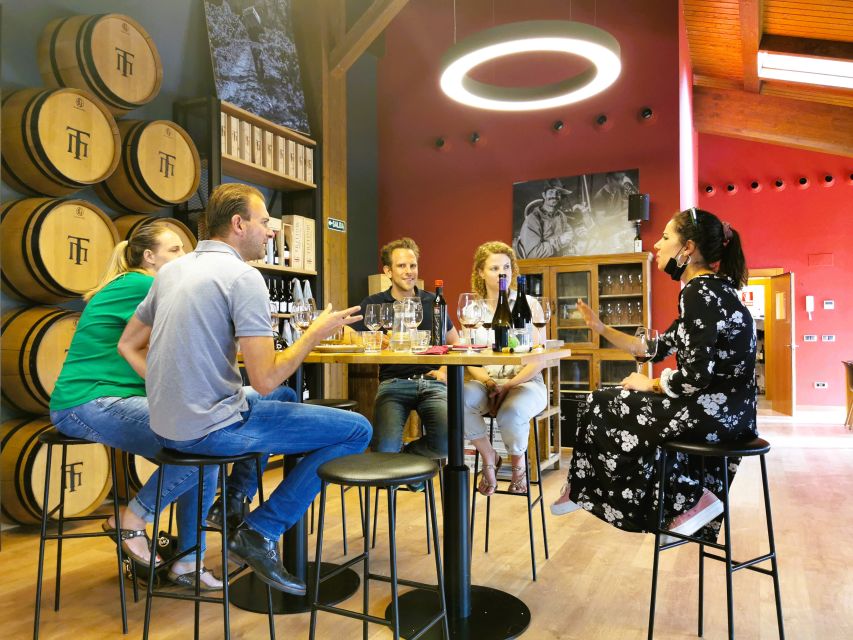
The guide is central to this experience. You receive an English or Spanish-speaking guide trained as a winemaker and certified as a wine expert, rather than only a driver who knows the route.
That distinction matters. Wine talk can become either too vague or too technical. A good guide connects the glass to the soil, grape, barrel, and local tradition in plain language. The strongest feedback about this outing has focused on the guide’s lively, funny, and informative manner.
Enrique is one guide named in the available comments, and his explanations were singled out as a reason the day worked so well. The tour provider may assign another guide, but the stated format remains the same: bilingual leadership with professional wine training.
You should feel free to ask questions. This is a small group, limited to eight, so your interests can shape the conversation more easily than on a large bus tour. If one person wants to know about oak and another wants to understand Malvar, the setting is well suited to both.
The guide also helps bridge the language gap at the wineries. Since the tastings are led by owners and cellar masters, having someone comfortable in both Spanish and English is particularly useful.
Is six hours and $182 a fair value?
The price is $182 per person. That is not a cheap add-on, especially since transportation begins at a central meeting point rather than your hotel. Still, the price covers a substantial half-day: Mercedes van transport, two complete winery visits, at least six wines, winery-led tastings, appetizers, and a specialist bilingual guide.
The value improves if you want a structured day without renting a car or sorting out regional wineries yourself. You would otherwise need to plan transport, arrange appointments, and manage the tastings without knowing which producers welcome visitors. Here, those pieces are handled for you.
The price is harder to justify if you mainly want one glass of wine and a quick countryside photo. It is also less suitable if you want a full-day village excursion with long stops for lunch and independent sightseeing.
I see it as a good value for wine drinkers who want access to small, family-scale producers and a guide who can explain what they are tasting. The appetizers also matter, though you should not mistake them for a full lunch.
Free cancellation is available until 24 hours before departure, and you can reserve while postponing payment. That gives you some useful flexibility when arranging a Madrid schedule, especially if weather or other day trips are still unsettled.
Who will enjoy this outing most
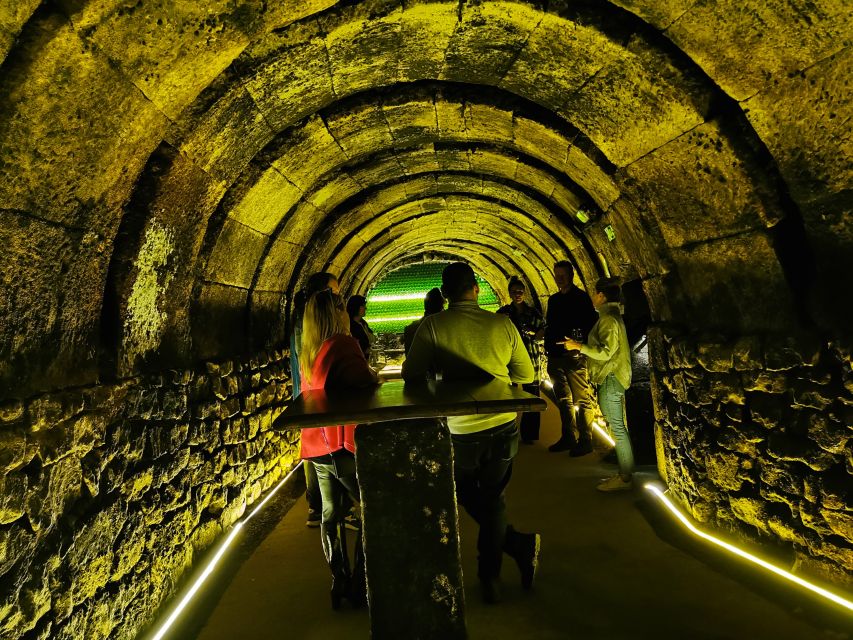
This tour suits adults who enjoy wine, food, rural scenery, and local history in equal measure. You do not need advanced wine knowledge. In fact, beginners may get the most from the clear comparison between grapes, styles, and aging methods.
It is a good match for couples and small groups who want a relaxed day outside Madrid. The small van also works well for solo participants who prefer a social setting without the scale of a full coach tour.
The tour is not suitable for children under 16. It is also listed as unsuitable for people over 95. The exact walking demands are not fully described, so anyone with mobility concerns should ask the provider before booking.
You should also be comfortable with a schedule that keeps moving. Each winery visit lasts about an hour and 45 minutes, but the village stop is much shorter. This is a tasting-focused half-day, not a leisurely rural retreat.
My verdict: book it for access, not just the wine
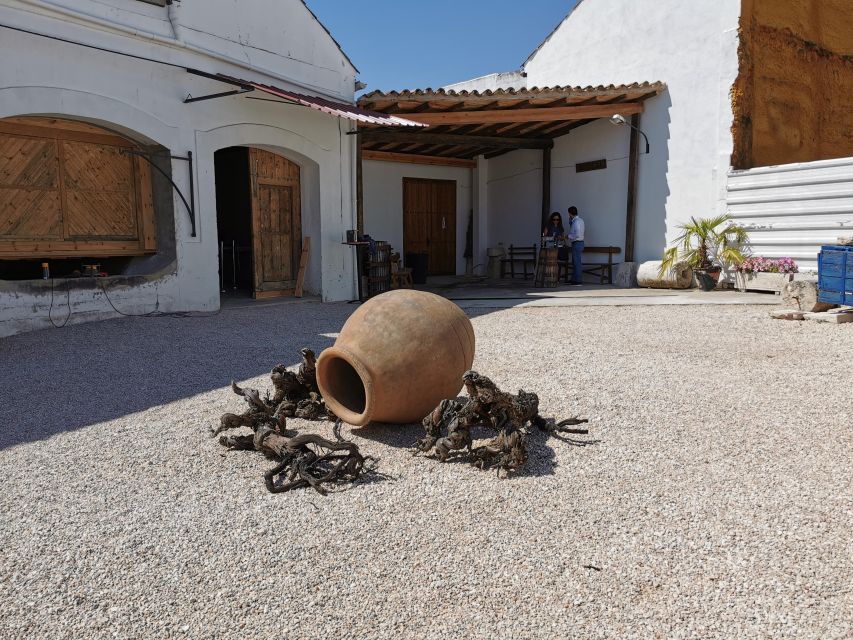
I would book this tour if I wanted to understand Madrid’s own wine region without losing a full day. The combination of two small wineries, several wine styles, local appetizers, and medieval villages gives you more substance than a simple tasting room visit.
Book it especially if you value personal explanations from owners and a trained bilingual guide. The strongest points are the small group, the countryside drive, and the chance to compare family producers. Go in knowing that hotel pickup is not included, the village stop is brief, and the $182 price reflects a guided, organized experience rather than a budget outing.
If your priority is a long lunch, independent village time, or a single famous winery, choose something else. If you want an easy route into the less visited wine country around Madrid, this is a well-shaped half-day.
FAQ
Where does the tour meet?
The meeting point is Granier, a small coffee and bakery shop. It is near Menéndez Pelayo metro station on Line 1, one stop from Atocha train station.
Is hotel pickup included?
No. Pickup and drop-off at your accommodation are not included. You need to make your own way to Granier.
How long does the experience last?
The tour lasts six hours, including transportation, two winery visits, tastings, and the traditional village stop.
How many wineries will I visit?
You will visit two wineries in the Denominación de Origen Vinos de Madrid.
How many wines are included?
You will taste at least six wines. The selection includes reds, whites, rosés, and sparkling wines.
What grape varieties might I taste?
The wine region includes varieties such as Tempranillo, Cabernet Sauvignon, Garnacha, Syrah, and Malvar.
Is food included?
Accompanying appetizers are included with the tastings. A full meal is not specified.
What languages are available?
The tour is offered in English and Spanish, with a bilingual guide.
How large is the group?
The experience is limited to eight participants and travels by Mercedes van.
Can I cancel the booking?
You can cancel up to 24 hours in advance for a full refund. You can also reserve now and pay later.
Newly reviewed vineyards around Spain
- Xalo: Vineyard Tour with Wine Tasting and Snacks★ 4.9 · 8 reviews
- Winery Visit and Tasting in Elche with wines and tapas from Alicante in Van★ 5.0 · 9 reviews
- Wine Route with 3 Tastings & Castillo La Mola: Small Group★ 4.9 · 31 reviews
- Valencia: Premium Wine Tasting & 3-Course Gastronomic Lunch★ 4.8 · 2 reviews
- Valencia: Vineyard Tour, Local Wine, Cava Tasting & Snacks★ 5.0 · 8 reviews
- Requena Somm. Private Vineyards/ Premium Wine tasting 1/2 Day★ 5.0 · 5 reviews
- Visit to Arafo Mountain Vineyard and Organic Wine Tasting★ 5.0 · 23 reviews
- Full Day Tasting The Unknown Rioja Wine Region★ 5.0 · 34 reviews
Madrid Vineyard Tours, compared.

Toledo Tour & Vineyard Walk with Wine Tasting from Madrid
Read our review →
From Madrid: Toledo Guided Tour & Winery Visit with Tasting
Read our review →
Madrid: Toledo Day Trip with Winery Visit and Wine Tasting
Read our review →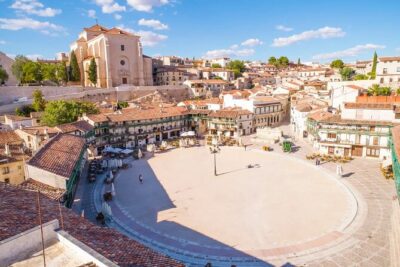
Spanish Villages & Winery Visit with Wine Tasting and Tapas Lunch
Read our review →
Toledo Full Day with Winery Visit, Tapas and Wine Tasting
Read our review →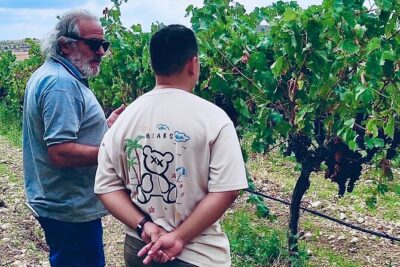
Visit Cuenca and a Vineyard in Spanish Tuscany from Madrid
Read our review →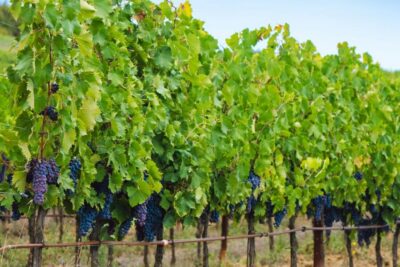
Half-Day Trip from Madrid: Alcalá de Henares & Winery Visit
Read our review →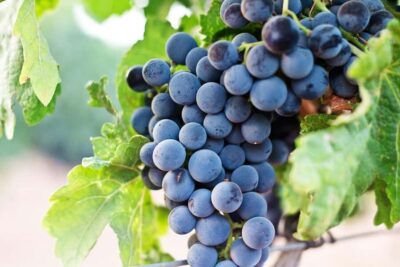
From Madrid to Ribera del Duero: Hidden Vineyards and Towns
Read our review →Lists this tour appears in