
Review · WINERY TOURS
Osaka Winery Tour with Wine Tasting & Vineyard Walk
Katashimo Winery gives you a rare look at Japan’s small-scale wine culture just 40 minutes from Osaka. Founded in 1914, it is presented as Japan’s oldest winery and the oldest in western Japan, with a century-old cellar and vineyards tied to the local town.
I like the mix of wine and local history, especially the walk through Edo-period streets and past a 1,000-year-old camphor tree. I also like that the tasting includes three Japanese wines, including bottles selected for the G20 Summit. The main drawback is the short two-hour format: you get a lively introduction, not a long vineyard day or a full meal.
Key points
- A 1914 winery: Visit Katashimo Winery and its century-old aging cellar, a designated cultural heritage site.
- Three Japanese wines: Taste three locally made wines, with small snacks and bottles connected to the G20 Summit.
- A town walk with substance: See Edo-period wooden buildings, old streets, a shrine, and a 1,000-year-old camphor tree.
- Close to Osaka: The winery is about 40 minutes from central Osaka by train, making it an easy short outing.
- English or Japanese guidance: A live guide explains the wine, winery, and local culture.
- A compact schedule: One hour centers on Katashimo Wine Food and tasting, followed by one hour of guided walking.
Why Katashimo Winery is worth the short trip from Osaka
Most visitors to Osaka spend their evenings around Namba, Dotonbori, and Umeda. Those areas have their place, but they show you a modern, commercial side of the city. Katashimo Winery offers a quieter view of Osaka Prefecture, where wine, farming, old buildings, and local memory meet.
The journey takes about 40 minutes by train, according to the tour information. That makes this a practical choice when you want an outing without giving up a full day. You meet in front of Katashimo Winery at the direct-sale shop, then return to the same place at the end.
I see the location as one of the strongest points. You are not spending hours in transit to reach a rural estate. At the same time, the setting feels removed from Osaka’s busiest visitor zones. The contrast is useful: a short train ride takes you from neon streets to a town where older buildings and local traditions are easier to notice.
The experience is also a good fit if you have already visited Japan’s major temples, markets, and shopping districts. Wine is not the first thing many people associate with Japan, so this tour adds a less expected piece to your understanding of the country.
More Winery Tours in the world:
- Saint-Émilion: Grand Cru Classé Winery Visit and Tasting
★ 4.6 · 1,118 reviews - Montserrat Full Day Tour with Farmhouse Lunch and Winery Visit
★ 5.0 · 1,068 reviews - Montserrat & Winery Visit Tour with Traditional Farmhouse Lunch
★ 4.5 · 1,035 reviews
Inside the 1914 winery and its old cellar
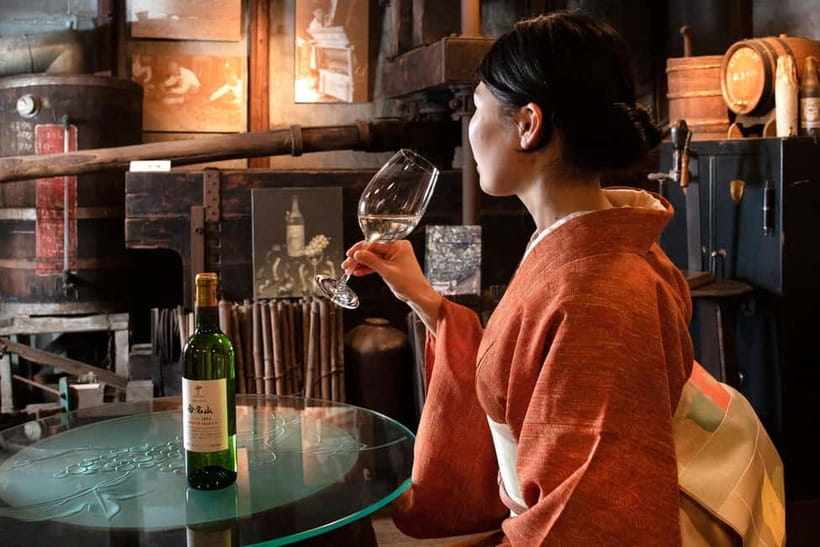
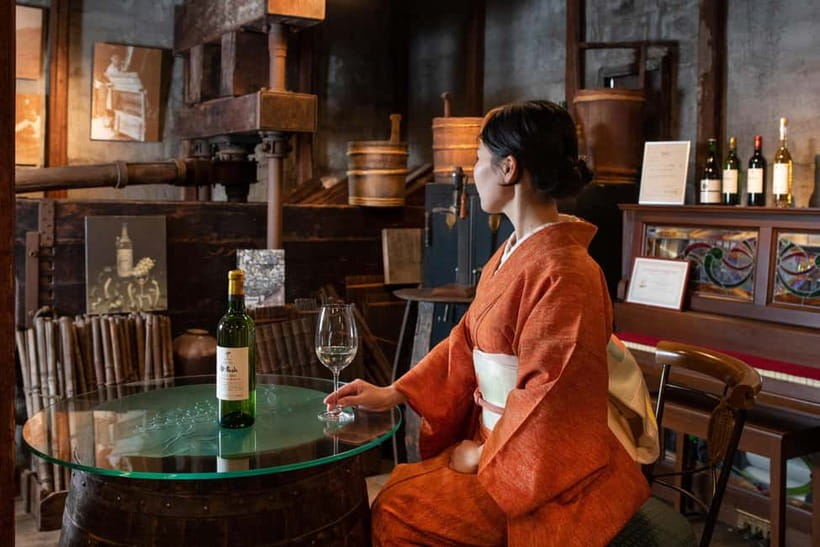
The first part takes place at Katashimo Wine Food, the winery’s bar and tasting area. From there, the guide leads you into a 100-year-old aging cellar. The cellar is a designated cultural heritage site, which gives the visit more weight than a simple stop at a tasting counter.
I would pay attention to the physical setting here. Wine cellars can look similar at first glance, but an old cellar connected to a working Japanese winery tells you how long the area’s wine tradition has lasted. You are not simply tasting a drink imported from Europe. You are seeing the place where a local producer has aged wine across generations.
The guide explains the winery’s background and Japanese winemaking. English and Japanese tours are available, and the live guide format lets you ask questions as you go. One useful detail from the tour experience is that the guide can connect the wine to the surrounding town, rather than treating the cellar as an isolated attraction.
Do not expect a large industrial winery with long rows of machines or a full production tour. The information provided points to a historic cellar, bar, museum access, and local storytelling. That is the appeal. The focus is on character and context, not on a factory-sized operation.
Wine Museum tickets are included, so the visit has more than one layer. The museum helps place Katashimo’s work within Japan’s wine story, while the cellar gives you a physical sense of age and continuity.
Tasting three Japanese wines with small bites
The tasting includes three different Japanese wines and small bites. The wines include bottles selected for the G20 Summit, an appealing detail for anyone who wants to try Japanese producers with an international connection.
The tasting is not presented as an unlimited session. Additional tasting is not included, so you should think of the three pours as a guided introduction rather than an open-ended afternoon at the bar. That limit is sensible for a two-hour activity, but it matters if you are booking mainly for wine quantity.
I like the structure because three wines give you enough room to compare styles without turning the outing into a drinking marathon. The guide can explain what you are tasting and how the wines relate to the winery. Small snacks are included, though you should not plan on them replacing lunch.
One point worth noting is that the tasting feedback also mentions juices. That suggests the experience can include nonalcoholic options, but the confirmed inclusion is three Japanese wines. If you do not drink alcohol, check the available choices when booking rather than assuming the full tasting is juice-based.
The setting should appeal to curious drinkers more than to serious wine collectors. You will learn about boutique Japanese winemaking and taste local bottles, but the supplied details do not promise technical vineyard instruction, a formal certification class, or a large range of vintages.
The G20 connection adds a nice talking point. It shows that Japanese wine can be served in an important international setting, while the rest of the tour keeps the focus on a small local producer. That combination gives the tasting a useful balance between local identity and wider recognition.
Walking through Edo-period streets
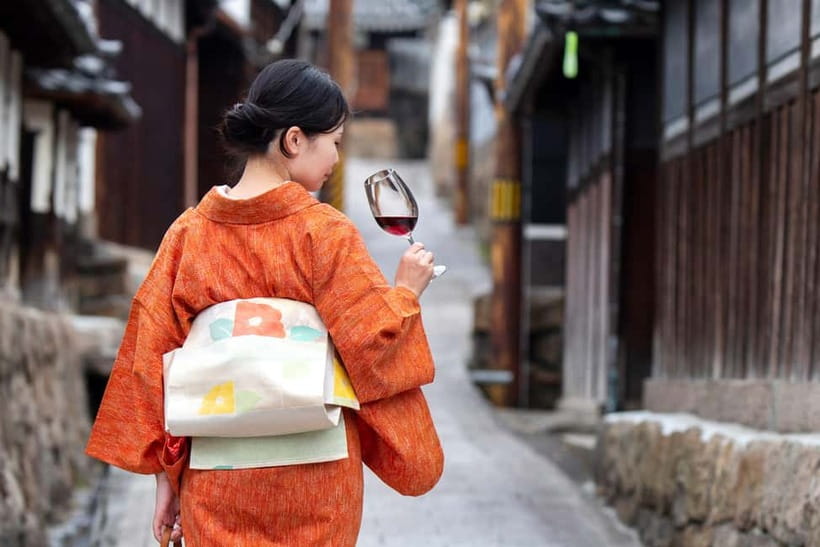
The second hour is a guided walk around the town. This is where the experience becomes more than a winery visit. You see wooden buildings from the Edo period and streets that preserve an older image of Osaka Prefecture.
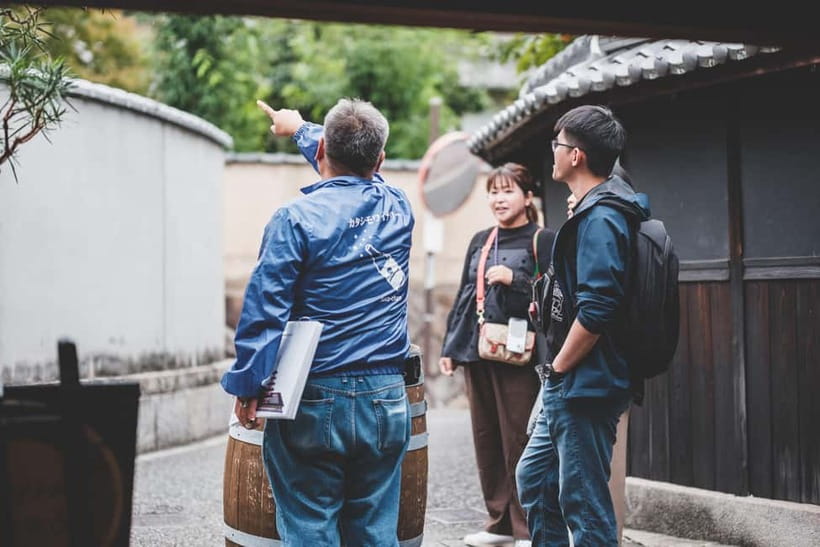
I like this part because it helps you understand the winery’s setting. A tasting room alone can feel detached from daily life. Walking through the nearby streets lets you see the older town that surrounds the business. The guide acts as a cultural storyteller, explaining local history and pointing out details you could easily miss on your own.
The route includes a 1,000-year-old camphor tree. That is the kind of stop that gives a short walk a sense of place. You also visit a beautiful shrine, according to the tour experience. The shrine is not presented as a separate major attraction, but it adds another layer to the outing and gives you a look at local religious heritage.
The streets may appeal most to photographers and travelers who prefer atmosphere over a checklist of major sights. You get wooden architecture, old lanes, and small details rather than a grand monument. Keep your expectations in line with the setting: this is a guided neighborhood walk, not a long countryside hike.
The walk also explains why the tour is called a wine and walking tour. You are not confined to the winery. The hour outdoors gives you a better feel for the town and breaks up the tasting with movement.
Other vineyard visits we rate around the world
- From Porto: 2 Wine Regions, Farm-to-Table Lunch & Boat
★ 4.9 · 5,724 reviews - Napa and Sonoma Wine Country Full-Day Tour from San Francisco
★ 4.5 · 4,455 reviews - Douro Valley Tour: 2 Vineyard Visits, River Cruise, Winery Lunch
★ 5.0 · 3,542 reviews - San Francisco Super Saver: Muir Woods & Wine Country w/ optional Gourmet Lunch
★ 4.5 · 3,352 reviews
What the guide adds to the experience
The guide is central to the value here. The tour is offered in English and Japanese, and the guide explains the winery, local wine, streets, shrine, and cultural background. The information provided does not give guide names, so you should not book expecting a specific named host.
A good guide matters especially in a smaller attraction. Historic buildings and old streets do not always explain themselves. Without context, you might notice an old wooden façade or a large tree and simply walk past. The guide connects those details to the town’s past and to Katashimo’s place within it.
The guide also answers questions about the wines. That is useful if you have never tried Japanese wine before and want help understanding what makes the bottles local. The language option is a practical strength, though English fluency can vary by guide and date, so a specific level of interpretation is not guaranteed beyond the advertised English-language option.
The best approach is to ask questions. You might ask how Japanese wine differs from European wine, why Katashimo’s cellar is culturally important, or how the winery fits into the region’s history. The tour is short, so active curiosity will help you get more from it.
Is $83 fair for two hours?
At $83 per person, this is not the cheapest way to taste wine in Osaka. The price makes more sense when you count the full package: a professional guide, three Japanese wines, small bites, museum admission, a historic cellar, and a guided town walk.
I would compare it with the cost and effort of arranging the same outing independently. You would need to find Katashimo Winery, understand the tasting setup, locate the cellar and museum, and build your own walk through the older streets. The tour combines those pieces in two hours and provides English or Japanese interpretation.
The value is strongest for visitors who care about context. If you only want a glass of wine, $83 will feel high. If you want to understand why this winery matters and see the older town around it, the price is easier to justify.
The short duration also keeps the cost from becoming a full-day commitment. You can fit the tour into a larger Osaka itinerary, though the exact start times vary and should be checked before booking. Since you return to the original meeting point, planning the rest of your day is fairly straightforward.
Additional tasting costs extra, so budget for that only if you want more wine beyond the three included pours. The small bites are welcome, but I would eat before or after if you need a proper meal.
Who will enjoy this tour most?
I would recommend this experience to wine drinkers who want something outside the usual Osaka circuit. It also suits people interested in Japanese architecture, local customs, and smaller towns rather than only famous city sights.
It works well for couples, small groups, and solo visitors who prefer a guide to handle the cultural context. The English option makes it accessible to international visitors, while Japanese speakers can take the tour in Japanese.
This is especially useful during a second or third visit to Osaka. You can still enjoy the major districts, but a short trip to Katashimo gives you a more local, less commercial afternoon.
Families may appreciate the history and walk, though the wine tasting is clearly a central part of the activity. Anyone who dislikes alcohol-focused outings should choose another tour unless the nonalcoholic tasting options are confirmed in advance.
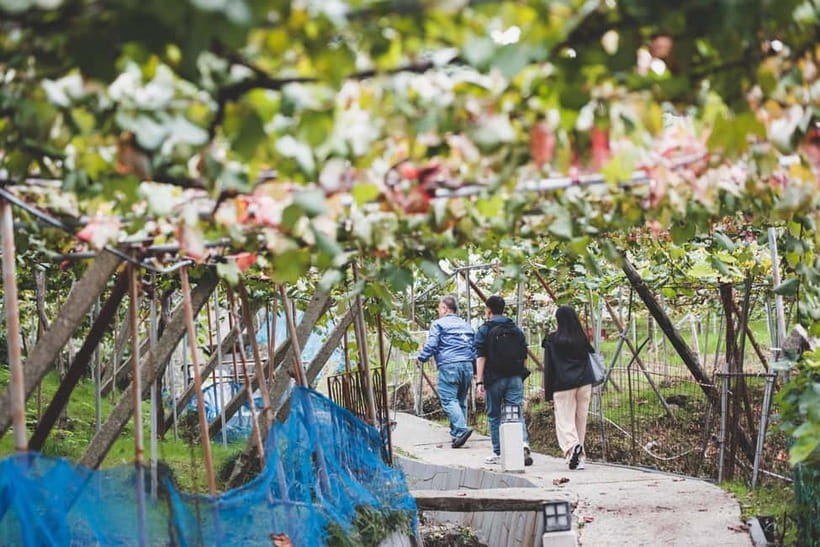
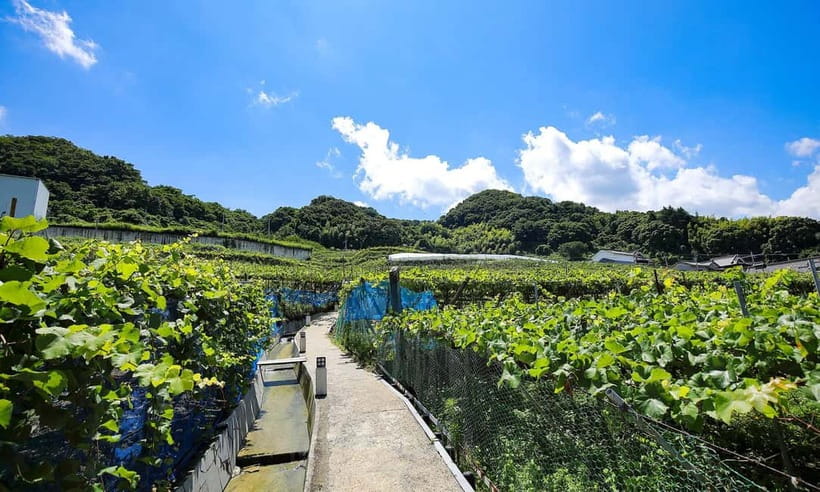
I would also be cautious if your main goal is a long vineyard walk. The program includes a walk among the vineyards and through historic streets, but the entire experience lasts only two hours. It is an introduction, not a full day outdoors.
Practical details to know before booking
Meet in front of Katashimo Winery at the direct-sale shop, listed as カタシモワイナリー 直売所. The tour starts and finishes there, which removes the need to navigate between several meeting points.
The schedule divides into two one-hour sections. The first hour covers Katashimo Wine Food and the tasting. The second hour is the guided town walk. Starting times vary, so check availability for your date.
The tour has free cancellation up to 24 hours before departure for a full refund. You can also reserve now and pay later, which helps if your Osaka schedule is still changing.
The advertised rating is 4.9 from 12 reviews, and the strongest praise centers on the guide, local history, winery background, and wine quality. One English-speaking guide was praised for answering questions clearly, while the walk itself was valued for showing the area around the cellar rather than only the tasting room.
That feedback points to the tour’s real strength: personal explanation. The wines matter, but the walk and storytelling are what make this different from a bar tasting.
Should you book the Katashimo Winery tour?
Book it if you want a short, well-rounded outing that combines Japanese wine, old streets, and local culture. The 1914 winery, heritage cellar, G20-selected bottles, shrine, and ancient camphor tree give the two hours plenty of variety.
Skip it if you want a long winery visit, a full meal, or a large number of tastings. For most curious visitors, I think the $83 price is reasonable because you are paying for guided access and interpretation, not just three glasses.
If your Osaka plan already includes the major sights, this is a smart change of pace. You return to the city with a better sense of a lesser-known part of the region and a taste of Japan that is easy to miss.
FAQ
Where does the tour meet?
You meet in front of Katashimo Winery at the direct-sale shop, listed as カタシモワイナリー 直売所.
How long does the tour last?
The experience lasts two hours.
How far is Katashimo Winery from Osaka?
The winery is about 40 minutes from Osaka by train.
What wines are included?
The tasting includes three different Japanese wines. Some include bottles selected for the G20 Summit.
Are snacks included?
Yes. Small bites served with the wine are included.
Is a guide included?
Yes. A professional live guide is included, with tours available in English or Japanese.
What will I see during the walking tour?
You will walk through historic streets with Edo-period wooden buildings, see a 1,000-year-old camphor tree, and visit a shrine. The walk also includes the area around the winery and vineyards.
Is the museum included?
Yes. Wine Museum tickets are included. Additional tasting is not included.
Newly reviewed vineyards around the world
- Wuerzburg: Vineyard rally with wine tasting and group dynamics★ 4.8 · 6 reviews
- Yolo: Vineyards, Farms & Cultural Gems – Audio Driving Tour★ 4.3 · 5 reviews
- Xalo: Vineyard Tour with Wine Tasting and Snacks★ 4.9 · 8 reviews
- Winery Visit & Tasting near Grosseto with 6 wines★ 4.8 · 6 reviews
- Woodinville Wine Country: Downtown Wine Tasting Pass★ 4.4 · 2 reviews
- Winery Visit & Tasting on the Volcanic Slopes near Catania★ 5.0 · 2 reviews
- Winery Visit and Tasting in Elche with wines and tapas from Alicante in Van★ 5.0 · 9 reviews
- Winery Visit on Parma Hills & Wine Tasting with Food Platter★ 5.0 · 26 reviews
Winery Tours, compared.
Saint-Émilion: Grand Cru Classé Winery Visit and Tasting
Read our review →
Montserrat Full Day Tour with Farmhouse Lunch and Winery Visit
Read our review →
Montserrat & Winery Visit Tour with Traditional Farmhouse Lunch
Read our review →
Saint Emilion Half-Day Trip with Wine Tasting & Winery Visit from Bordeaux
Read our review →
Chianti Delights: A Tale Of Two Wineries With A Vineyard Dinner
Read our review →
From Madrid: Toledo Guided Tour & Winery Visit with Tasting
Read our review →
Saint-Emilion: Grand Cru Classé Guided Winery Visit & Picnic
Read our review →
Douro Valley for Wine Lovers with Visit to 4 Wineries and Lunch
Read our review →Lists this tour appears in