
Review · CROATIA
Pelješac wine tasting and local winery visit
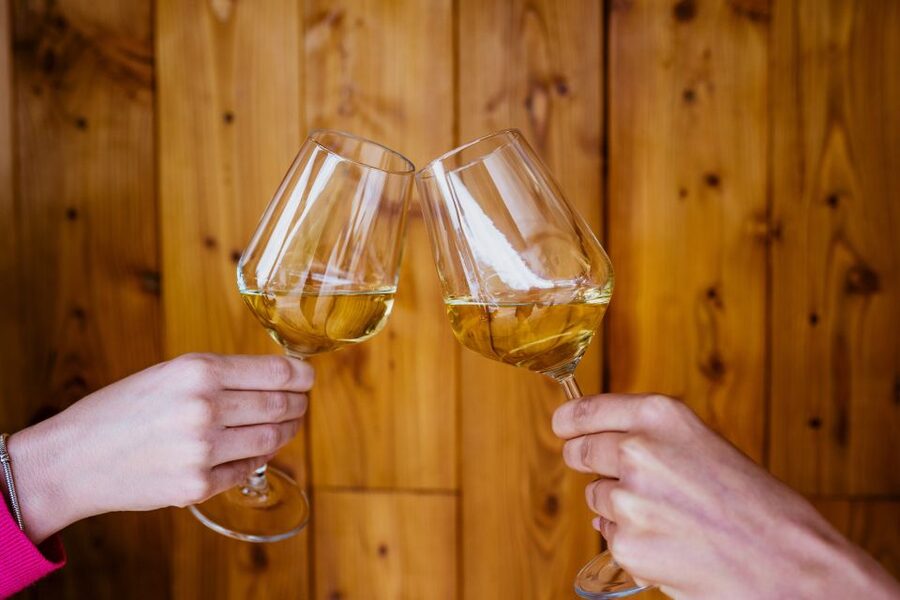
Pelješac wine country feels most personal at Winery Škurla, the first house in the small village of Broce after Ston. You meet a member of the family, see the working production area, and taste local wines with food made or sourced close to home. It is less a formal cellar tour than a friendly visit around the family table.
I like the direct contact with the people who make the wine, especially when Mea leads the tasting with her father working alongside her. I also like the generous food pairing: cheese, cured meat, olives, homemade bread, and organic olive oil give the wines a proper Croatian setting. The main consideration is time. At 90 minutes, the production explanation can feel brief if you want a detailed technical tour.
Key points to know
- Family-run setting: Meet Mea or another member of the Škurla family rather than a distant tour company guide.
- Four pours included: The standard tasting includes four wines and/or fruit liqueurs, though some visits may include an extra pour.
- Food is part of the value: Expect cheese, cured meat, olives, homemade bread, and olive oil alongside the drinks.
- Easy add-on from Ston: The winery is 1.5 km past Ston in Broce, on the right side of the road.
- A look at real production: The tasting room, production area, and shop are in the same building.
- Good flexibility: The experience lasts 90 minutes, has an English-speaking guide, and allows cancellation up to 24 hours before the start.
Why Pelješac wine tastes different
Pelješac is known in Croatia as the Empire of Wine, and this tasting gives you a useful introduction to that reputation without turning into a long lecture. The region has a strong wine identity, and the point of the visit is to connect the bottle with the family, village, and production room behind it.
You learn how wine is made in the area and hear about methods passed down through generations. The explanation is meant to help you understand what you are drinking, not just identify a few grapes and move on. That matters when the tasting includes several styles, since you can compare the wines instead of treating them as four unrelated samples.
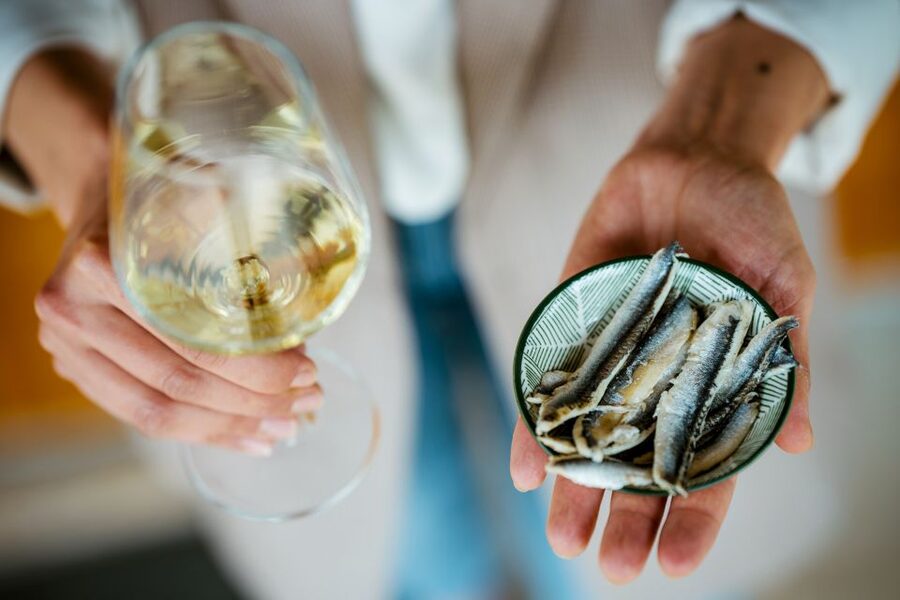
The experience also puts wine beside everyday local food. Cheese, ham or other cured meat, olives, homemade bread, and olive oil show you how these drinks work at the table. I find that more useful than a tasting served with plain crackers. The food slows the pace and gives you a chance to notice how a wine changes with salt, fat, bread, and oil.
More Winery Tours in the world:
- Saint-Émilion: Grand Cru Classé Winery Visit and Tasting
★ 4.6 · 1,118 reviews - Montserrat Full Day Tour with Farmhouse Lunch and Winery Visit
★ 5.0 · 1,068 reviews - Montserrat & Winery Visit Tour with Traditional Farmhouse Lunch
★ 4.5 · 1,035 reviews
Finding Winery Škurla in Broce
The meeting point is simple once you know the landmark. Leave Ston behind and continue about 1.5 kilometers to Broce. Winery Škurla is the first house in the village on the right side of the road.
You can also enter Winery Škurla into Google Maps. That is the sensible choice if you are driving, since a small village address can be harder to spot than a large sign. The location makes this a practical stop after time in Ston, especially if you have already visited the town walls or salt works.
One person described reaching the winery on foot from Ston, so walking may be possible for you, depending on your pace and the heat. Still, the supplied directions describe the distance by road, not a marked walking route. If you have limited mobility, the activity is listed as wheelchair accessible, but you should still confirm the exact route and arrival conditions when booking.
The setting is not a grand wine estate. That is part of the appeal. You arrive at a family business in a village, walk into the same building where production and sales take place, and meet the people connected to the bottles.
The first welcome and the family story
A member of the Škurla family welcomes you and begins with a short tour of the winery. Mea has hosted visits, and her father is also involved in the business. The family connection gives the visit a more personal tone than a standard tasting counter.
You hear about the history of wine in Pelješac and the family’s traditional approach to making it. The information is presented in English, and the hosts are used to speaking with people who may not have perfect English. One French visitor specifically found the host patient and accommodating, which is useful to know if you are worried about language barriers.
The opening tour is short, so set your expectations correctly. You get a look at the production area and an explanation of the methods used, but this is not a long cellar engineering lesson. If you want every stage covered in technical detail, you may wish the tour lasted longer. One recent visitor felt the production explanation and facility visit could have taken more time.
I see that as a tradeoff rather than a serious fault. The short tour leaves more time for the relaxed tasting, which is the heart of the experience. You are not spending most of the 90 minutes listening while the wine waits untouched.
What you taste at the table
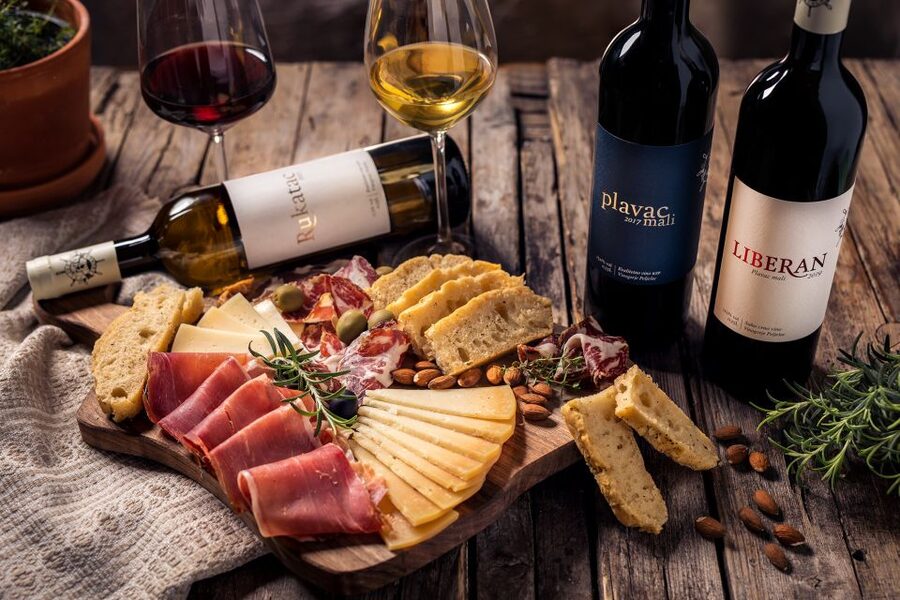
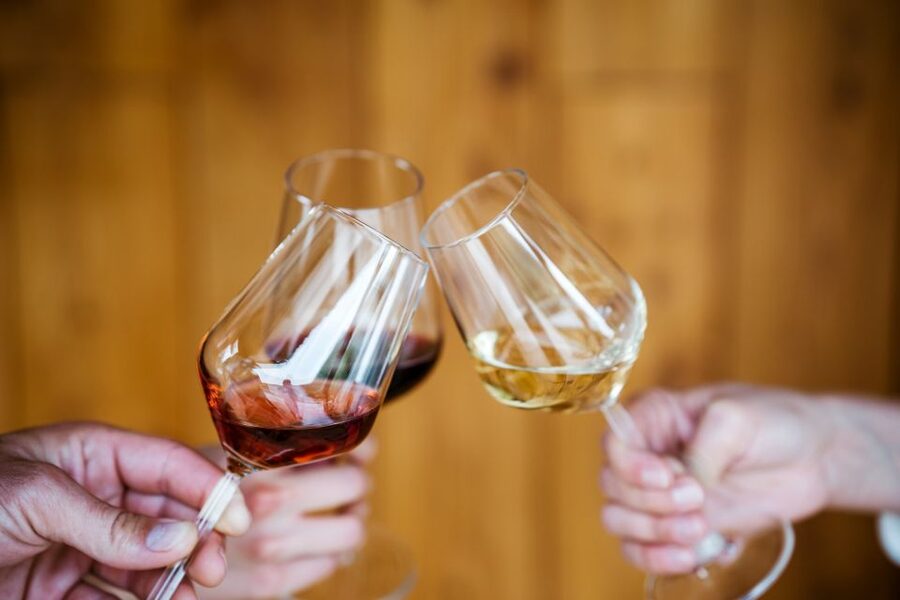
The standard tasting includes four local wines and/or fruit liqueurs. The exact mix can depend on the visit. A recent tasting included five wines: two whites, one rosé, and two reds, so you may receive an extra sample beyond the advertised four.
That variety is useful. White, rosé, and red wines give you a quick sense of the local range, while a fruit liqueur adds a different finish if it is included. You should not assume that every session will use the same lineup. The experience is about sampling what the family chooses to present, not following a fixed supermarket-style menu.
The wines are served in the tasting room, which is also part of the working winery and store. That arrangement keeps the visit connected to the production side. You can look around before or after the tasting and, if you find something you like, buy a bottle directly from the winery.
The food is substantial for a short tasting. Expect a plate with cheese and cured meat, plus olives and homemade bread. Organic olive oil and olives produced by the family have also been served. The food is not an extra meal, but it is far more than a token bite.
I recommend tasting each wine first on its own, then again with the food. The bread and oil can soften a sharp edge, while cured meat can make a red seem fuller. You do not need specialist wine vocabulary to enjoy this. Pay attention to which pairing you prefer and ask the host why the combination works.
Other vineyard visits we rate around the world
- From Porto: 2 Wine Regions, Farm-to-Table Lunch & Boat
★ 4.9 · 5,724 reviews - Napa and Sonoma Wine Country Full-Day Tour from San Francisco
★ 4.5 · 4,455 reviews - Douro Valley Tour: 2 Vineyard Visits, River Cruise, Winery Lunch
★ 5.0 · 3,542 reviews - San Francisco Super Saver: Muir Woods & Wine Country w/ optional Gourmet Lunch
★ 4.5 · 3,352 reviews
The production room beside the tasting room
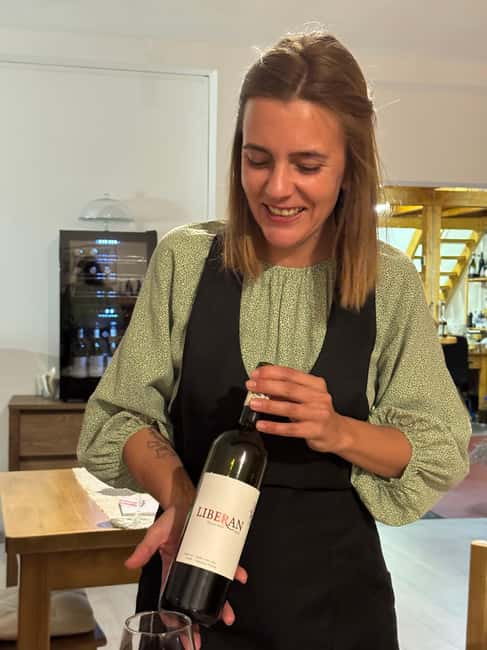
One useful feature is the layout. The production area, tasting space, and store are in the same building. You can see the practical side of the business without traveling between several sites.
That does not mean you will get a full behind-the-scenes tour of every step. The visit includes a short look at production and a talk about traditional techniques. If you are especially interested in fermentation, aging, storage, or bottling, ask questions while you are there. The family is the best source for details that may not fit into the planned introduction.
This is also where the experience feels most genuine. You are not simply handed four glasses in a room designed only for tastings. You are close to the place where the wine is made and sold. A bottle you purchase has a clear connection to the family you just met.
The selection may include wines that are available only at the winery or in local restaurants. That gives you a chance to take home something less ordinary than a bottle found in every Croatian airport shop. Purchases are not included in the $43 price, so consider them an optional extra rather than part of the tasting cost.
Is $43 a fair price?
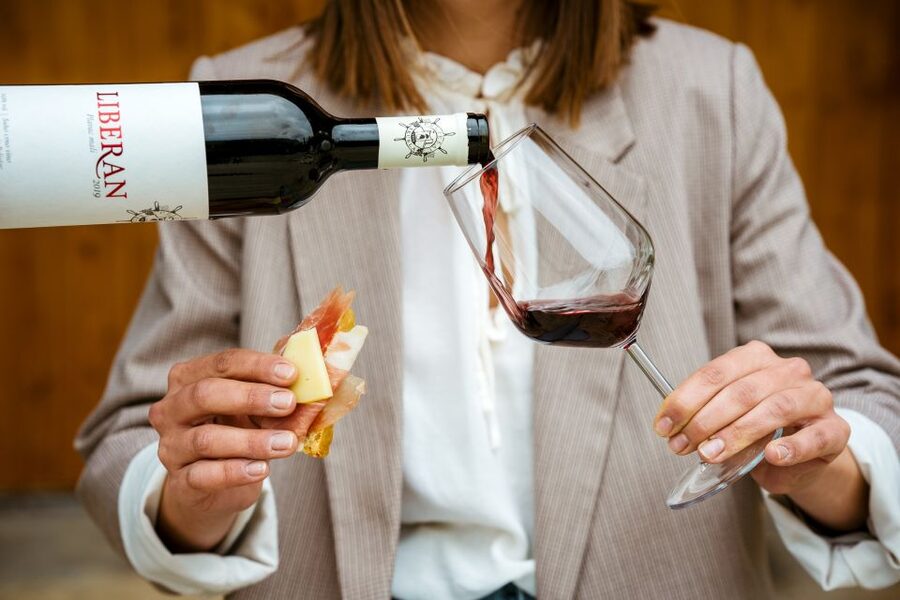
At $43 per person, the value comes from the combination of wine, food, a family welcome, and a short winery visit. You are not paying only for four small pours. The price also covers the host’s time, the explanation of local production, the food served with the wine, and access to a working family business.
The value is strongest if you are already spending time around Ston. You avoid adding a separate long excursion, and the 90-minute duration fits neatly before or after sightseeing. A tasting with cheese, cured meat, bread, olives, and olive oil can also replace the need to find a separate snack stop.
The price may feel less attractive if you want a large estate, a long vineyard walk, or a highly technical class. None of those are promised here. This is a small-scale visit with a personal host and a compact tasting.
The rating is 4.9 from 16 reviews, and the most consistent praise centers on three things: the warm welcome, the quality of the wines, and the food served alongside them. That pattern matches the basic design of the experience. It is built for connection and flavor, not for a grand production show.
How to fit it into a Ston day
This tasting pairs naturally with Ston sightseeing. You can visit the town, see the famous walls, spend time around the salt works, and then continue to Broce. One visitor combined the winery with a private tour of the Salt Mines and the Walls of Ston and used the tasting as the final stop of the day.
That order makes sense. After walking around Ston, a seated tasting gives you a slower finish. You can listen, eat, and compare wines without rushing off to the next major sight.
You should check the starting times before planning a tight schedule. The duration is fixed at 90 minutes, but the available start times can vary. Leave enough room for the short drive from Ston and for finding the first house in Broce.
If you are walking, remember that the winery is outside the center of Ston. A person who enjoys a village walk may find the distance manageable, but warm weather and road conditions can change the experience. Driving or arranging a ride is the safer plan if you want to arrive fresh for the tasting.
Who will enjoy this tasting most
I would choose this for you if you like meeting the people behind regional food and drink. The family setting is the main reason to book. You get a direct introduction to the winery rather than a generic explanation that could take place anywhere.
It also suits curious beginners. You do not need to know Croatian wine terms or have a trained palate. The host explains the local wines, and the food gives you a simple way to compare them.
Wine lovers will appreciate the chance to taste several styles and possibly find bottles sold only at the winery or in restaurants. If you already know a lot about winemaking, ask for more detail during the production visit, since the planned explanation is brief.
Families and mixed groups can work well too, provided everyone is interested in a calm tasting. The food makes the visit more welcoming for people who are not focused only on wine. Still, this is not a party stop or a fast bar crawl. The mood is relaxed and conversational.
The listed wheelchair accessibility is helpful, though you should confirm the practical details if you need a completely step-free route. The information confirms accessibility, but it does not describe the surfaces or restroom setup.
Small drawbacks to keep in mind
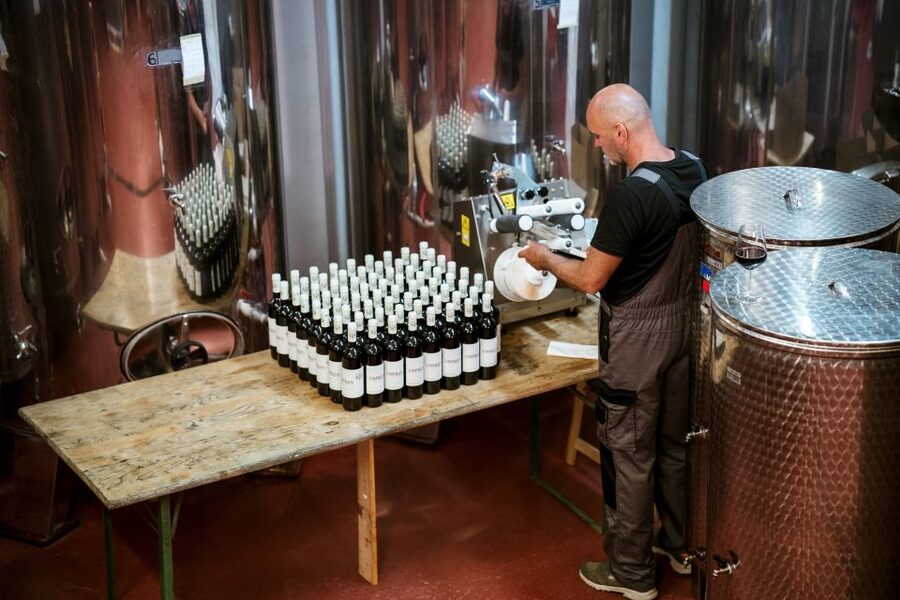
The biggest limitation is the short production visit. You see the working area and learn about traditional methods, but you may want more time among the equipment and facilities. If the winemaking process is your main interest, tell the host at the start and use the question period well.
The number of pours can also vary. Four wines or liqueurs are included, but one tasting had five wines. That flexibility is pleasant, though you should not book expecting a specific grape, vintage, or exact sequence.
The winery is easy to locate with the supplied directions, but it is not in central Ston. You need to account for the 1.5-kilometer trip to Broce. The experience works best when you treat the location as part of a Ston area plan rather than a stand-alone stop from far away.
Finally, bottles and other purchases cost extra. That is normal for a winery visit, but it is worth remembering if you are working with a strict budget.
Should you book Winery Škurla?
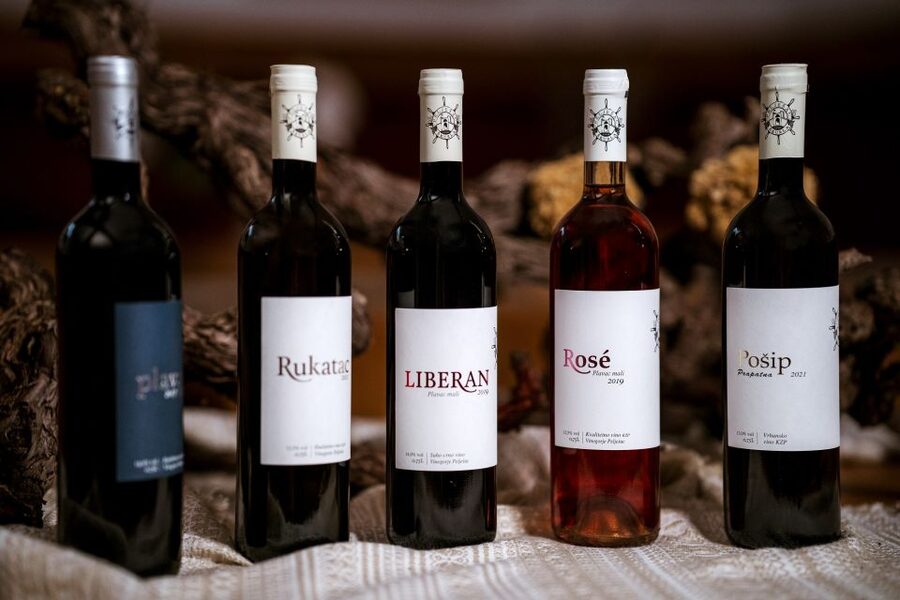
Book it if you want a friendly, local wine visit near Ston with real food and a family host. The strongest reasons are the personal welcome from Mea and her family, the good range of wine and liqueur samples, and the generous Croatian-style plate served at the table.
Skip it if your priority is a long technical tour, vineyard hiking, or a large commercial winery with a formal presentation. For most people spending a day in Ston, though, this 90-minute stop offers a pleasant way to understand Pelješac wine and taste it in the place where it is made.
The free cancellation up to 24 hours before the experience and the reserve-now, pay-later option make it easier to fit into a changing schedule. At $43, I consider it a sound choice for wine drinkers, food lovers, and anyone who prefers a personal family business to a polished tourist production.
FAQ
Where is Winery Škurla located?
The winery is in Broce, about 1.5 kilometers after leaving Ston. It is the first house in the village on the right side of the road. You can also search for Winery Škurla in Google Maps.
How long does the wine tasting last?
The experience lasts 90 minutes.
How many wines are included?
The standard tasting includes four local wines and/or fruit liqueurs. The exact selection can vary, and an additional wine may sometimes be served.
What food is served with the wine?
The tasting includes traditional food such as cheese, cured meat, olives, and homemade bread. Organic olive oil is also included, along with olives produced by the family.
Is the experience offered in English?
Yes. The experience includes a live English-speaking guide, and English is the listed language.
Can I cancel the booking?
Yes. You can cancel up to 24 hours in advance for a full refund. You can also reserve now and pay later.
Newly reviewed vineyards around the world
- Wuerzburg: Vineyard rally with wine tasting and group dynamics★ 4.8 · 6 reviews
- Yolo: Vineyards, Farms & Cultural Gems – Audio Driving Tour★ 4.3 · 5 reviews
- Winery Visit & Tasting near Grosseto with 6 wines★ 4.8 · 6 reviews
- Woodinville Wine Country: Downtown Wine Tasting Pass★ 4.4 · 2 reviews
- Xalo: Vineyard Tour with Wine Tasting and Snacks★ 4.9 · 8 reviews
- Winery Visit & Tasting on the Volcanic Slopes near Catania★ 5.0 · 2 reviews
- Winery Visit and Tasting in Elche with wines and tapas from Alicante in Van★ 5.0 · 9 reviews
- Winery Visit on Parma Hills & Wine Tasting with Food Platter★ 5.0 · 26 reviews
Croatia Vineyard Tours, compared.

Coastal Vineyards: A Dream Wine Tour to Elaphiti Islands
Read our review →
Private Split & Trogir Vineyard Wine Tour Sea View & Port Pickup
Read our review →
Peljesac Vineyards & Oysters – Private Day Trip from Dubrovnik-Mercedes Vehicle
Read our review →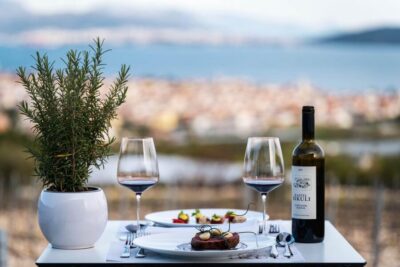
Private Split & Trogir Wine Tasting & Vineyard with Sea View
Read our review →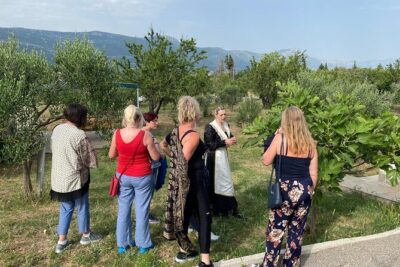
Family-run Vineyard Tour & Award Winning Wine Tasting/Delicacies
Read our review →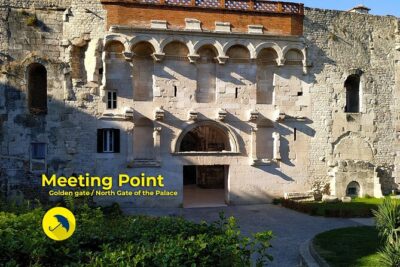
Lists this tour appears in