Review · MADRID
Ribera del Duero wine region private tour
Ribera del Duero is all about contrast: sleek modern winemaking at one stop, centuries-old underground cellars at the next. This private day trip takes you from Madrid into one of Spain’s best-known wine regions, with Tempranillo tastings, cellar tours, and a proper Castilian lunch.
I like the chance to see how two very different wineries handle the same grape. I also like the personal scale: your guide can explain the region as you travel, and you may meet owners or winemakers rather than simply follow a large group through a tasting room. The main drawback is the long day, with roughly three hours on the road in total, and the wineries shown in promotional photos may not be the ones you actually visit. Protos and Emilio Moro are specifically not guaranteed.
Key points to know
- Two contrasting wineries: Visit a modern, avant-garde winery and a family-run cellar dating from the 16th century.
- Tempranillo at the center: Taste several wines made from the grape that defines Ribera del Duero.
- Real underground cellars: Walk through a working subterranean winery with more than 1,000 barrels.
- Private transport from Madrid: Hotel pickup, drop-off, and a bilingual guide are included.
- Castilian lunch included: Stop in a traditional village for a full meal representing local cuisine.
- Check the winery names: The advertised photos may show Protos or Emilio Moro, but those wineries are not promised on this route.
Why Ribera del Duero makes a good day trip from Madrid
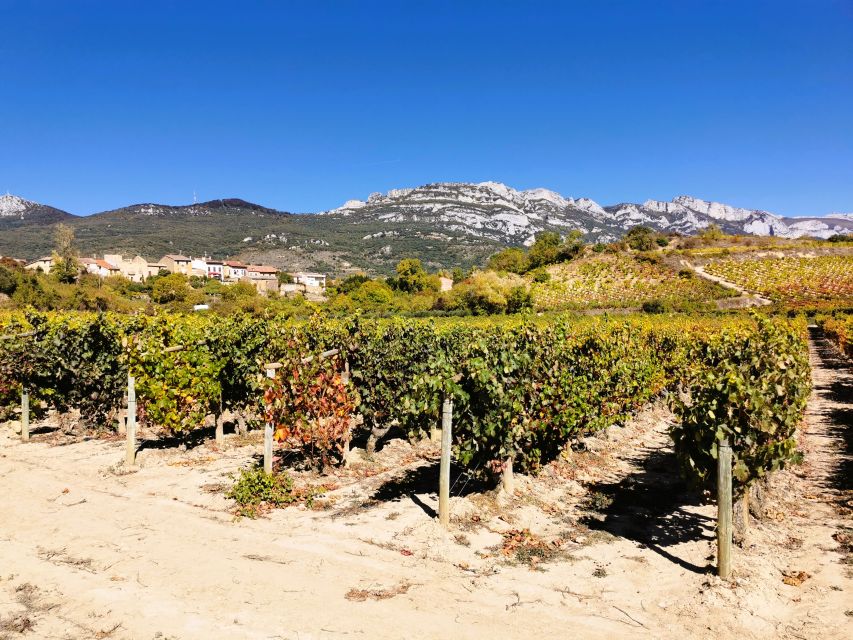
Madrid is a fine base for city sightseeing, but the surrounding wine country gives you a very different view of central Spain. Ribera del Duero lies north of the capital, in an area known for high plains, severe weather, old vineyards, and powerful red wines based on Tempranillo.
That climate matters. The region is exposed to hot summers and cold winters, conditions that shape the grapes and the style of the wine. On the drive, your guide can put the scenery and farming into context instead of leaving you to guess why this area has become such an important Spanish wine region.
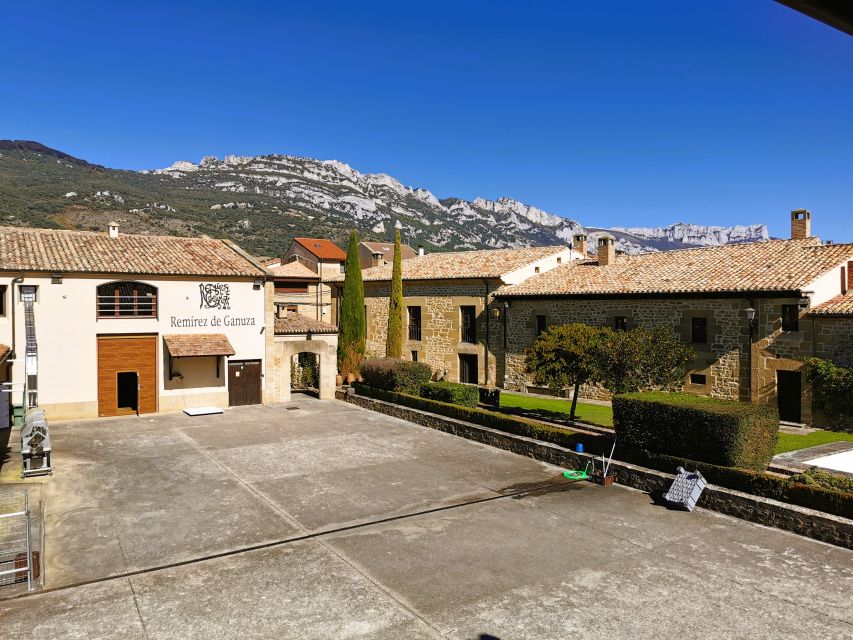
You are not simply going to one tasting room and heading back. The day is built around comparison. One winery focuses on a modern approach, with a building designed to combine function, visual appeal, and a strong connection to its setting. The other is a family winery tied to the early development of the Ribera del Duero designation, with old underground spaces still used for wine production.
That contrast gives the tour its purpose. You can taste the same basic grape in different styles, then see how architecture, aging, cellar conditions, and family tradition affect the final bottle.
More Wine Country Day Trips in Spain
- From Fuerteventura: Lanzarote Volcano and Wine Region Tour
★ 4.4 · 1,220 reviews - Lanzarote Volcano and Wine Region Tour from Fuerteventura
★ 4.5 · 264 reviews - Sun and Wine Route – Small group, wine tasting and tapas included
★ 5.0 · 87 reviews
The 105-minute drive from Madrid
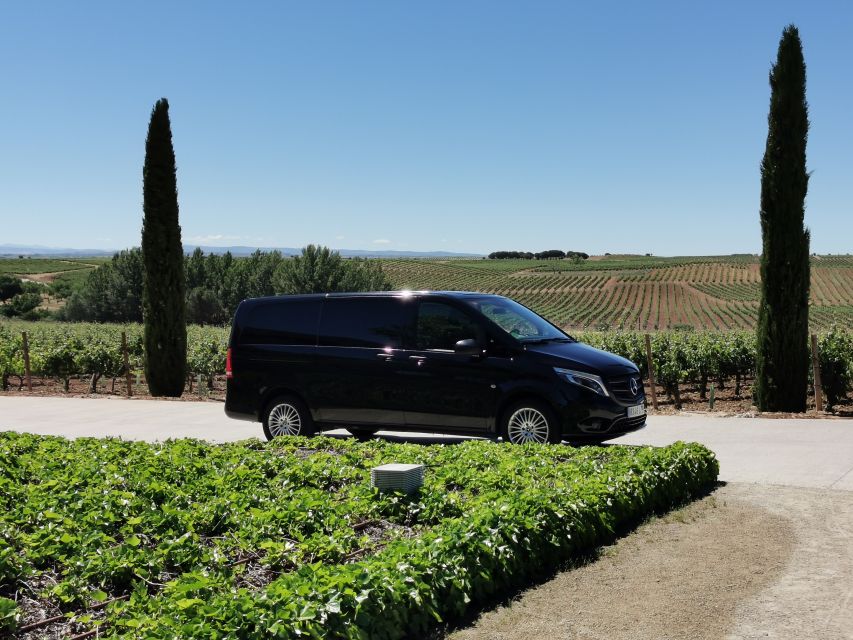
Pickup is at your Madrid hotel, and you are asked to wait in the lobby 10 minutes before the scheduled time. The drive to Ribera del Duero takes about 105 minutes, so this is not a quick outing squeezed between Madrid attractions.
I see the drive as both a benefit and a cost. The benefit is convenience. You do not need to rent a car, plan the route, or worry about tasting wine before driving. The cost is time. With another trip of about 90 minutes after lunch, the day includes roughly three hours in the van.
For a private group, the road time can be useful. You can ask about Spanish wine, the region, the villages, and the wineries you are about to see. If your guide is Enrique, expect the wine side of the day to receive particular attention. Jaime has also provided excellent driving service, so the transport part of the trip is clearly an important part of the experience.
Wear comfortable clothes and shoes. The schedule includes walking through winery facilities, cellar areas, and a village, so formal clothing would be more bother than help.
The modern winery and its Tempranillo lesson
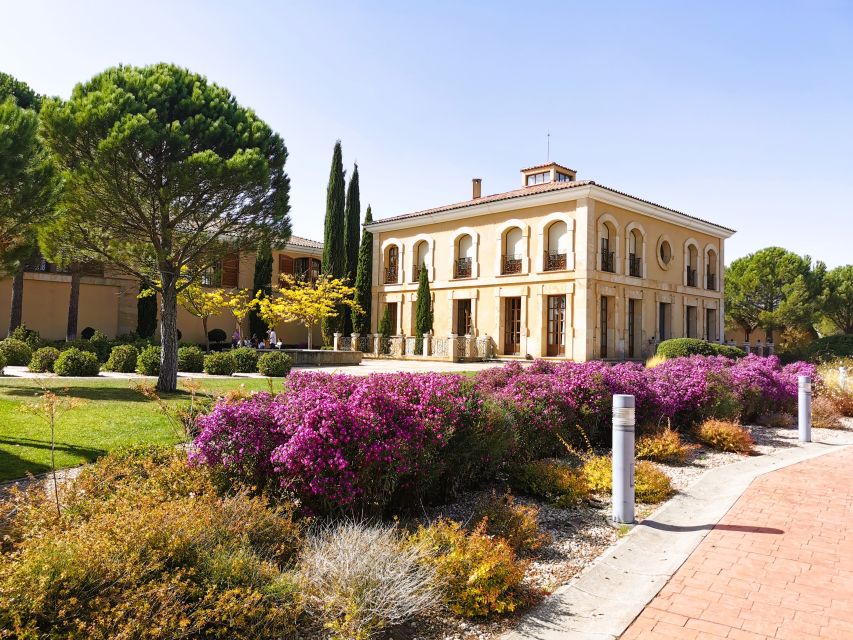
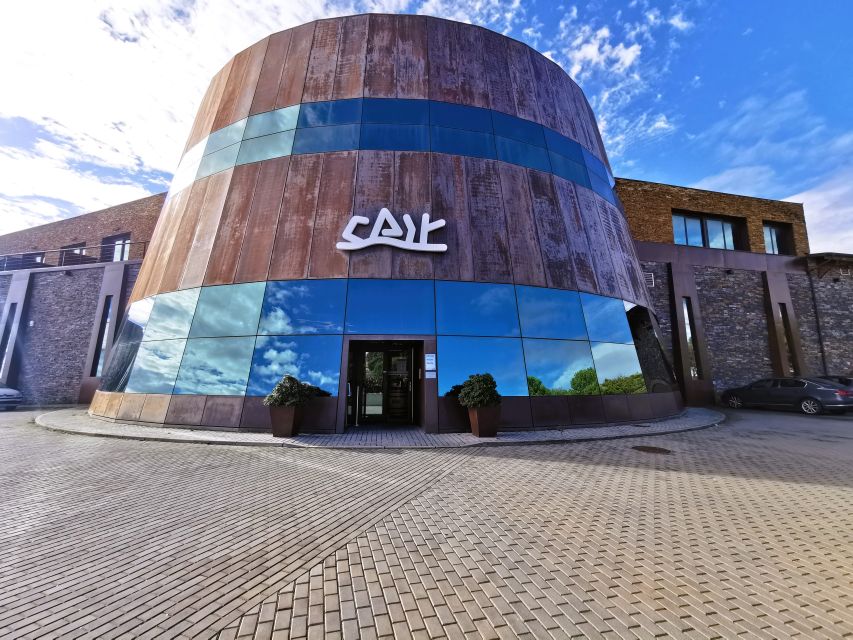
The first winery presents Ribera del Duero in a contemporary way. Its building uses an avant-garde design intended to work with the surrounding countryside rather than ignore it. That makes the first visit a good introduction to how the region has moved from traditional production toward a more international wine market.
The tour covers grape growing in Ribera’s demanding climate, winemaking methods, and the amount of time wines spend aging. Those details are useful because a tasting can otherwise become a parade of labels and vague descriptions. Here, you get a basic explanation of what happens before the wine reaches your glass.
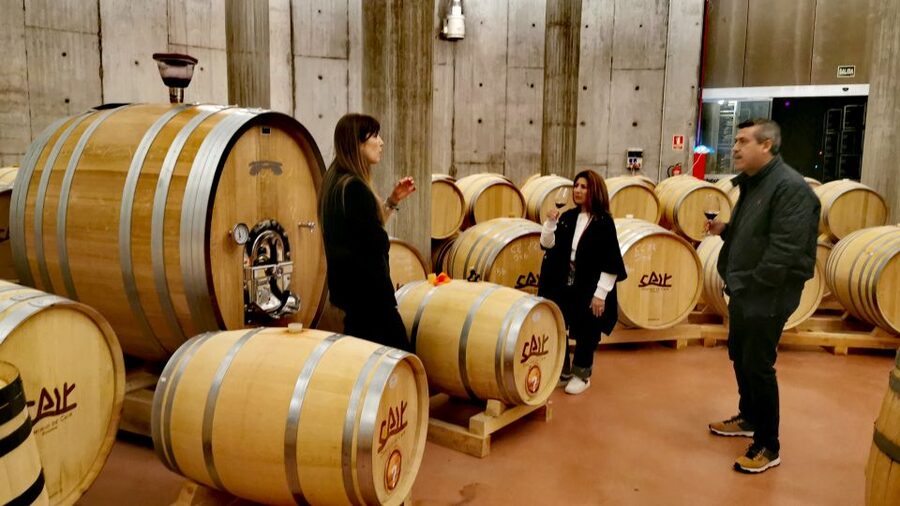
A particularly worthwhile part comes in the underground cellar, where you taste wine from American and French oak barrels. The comparison helps show how barrel choice can affect aroma, texture, and flavor. You are not just sampling finished wine. You are seeing part of the aging process itself.
The visit then moves to the wine bar for three of the winery’s best wines. The setting, surrounded by old vineyards, gives the tasting a stronger sense of place than a generic urban shop. The first winery lasts about 90 minutes, long enough for a proper tour and tasting without turning the day into a technical seminar.
If you are new to Spanish wine, this is likely the easier of the two visits to follow. The modern building, organized tour, barrel tasting, and final wine flight create a clear progression. If you already know Ribera del Duero well, you may want to ask the guide for extra detail about vintage differences, vineyard conditions, or aging practices.
The 16th-century family cellar
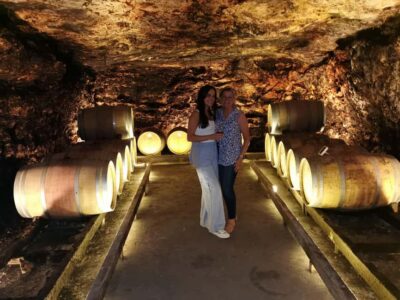
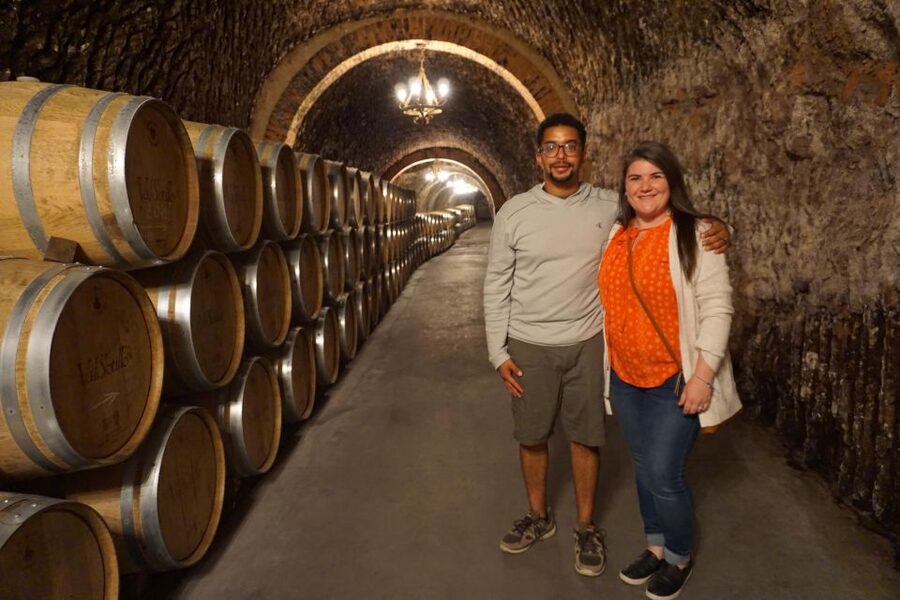
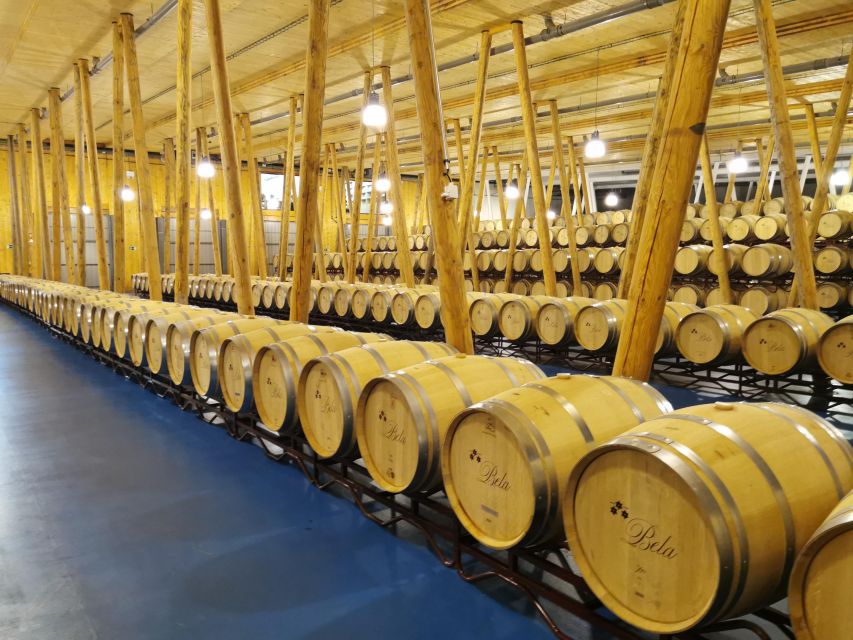
The second winery changes the mood completely. This is a family-run producer with roots in the 16th century and a strong connection to the creation of the Ribera del Duero wine designation. The visit takes you below ground into a large working cellar where more than 1,000 barrels hold aging wine.
This is the tour’s most unusual physical setting. Instead of seeing a polished modern production building, you walk through spaces cut into the earth and still used for wine. The cool underground conditions are part of the story, since cellars provide a stable environment for aging.
The winery is described as one of Spain’s wine cathedrals, but the real value is not the grand label. It is the chance to see a traditional cellar that remains active. The owners guide the visit, which can give you a more direct connection to the family’s work and the region’s older winemaking culture.
The second tasting lasts about 90 minutes. Since the day is private, you have a better chance to ask questions at your own pace. You can compare the wines from this family producer with those from the first, modern winery, paying attention to body, oak, fruit, and aging style.
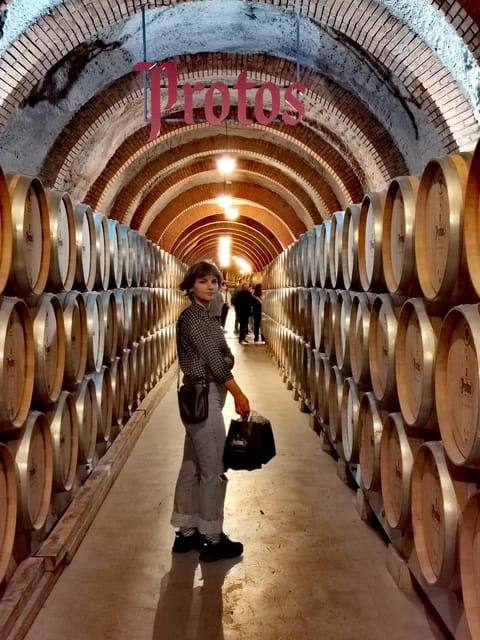
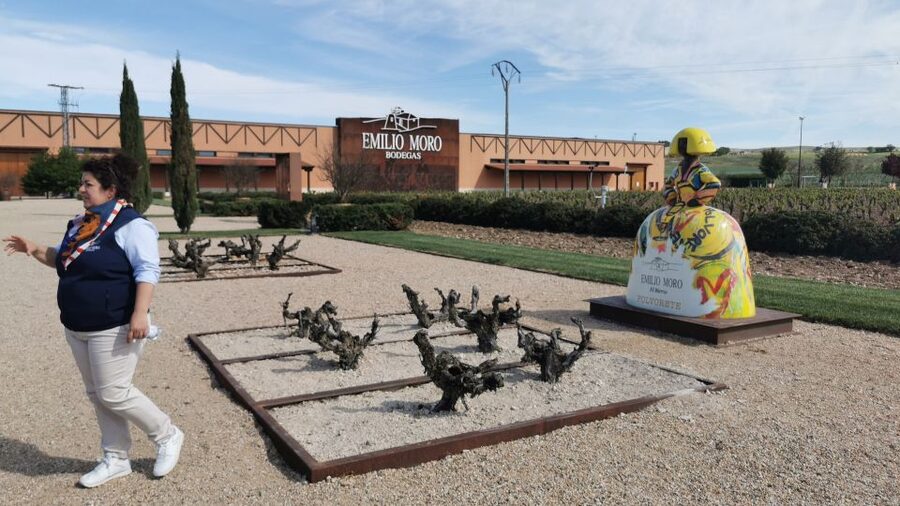
One practical point deserves clear attention: do not book this day expecting visits to Protos or Emilio Moro. Those names appear in the promotional imagery, but the actual route does not promise either winery. If a specific producer is essential to your trip, confirm it before paying. If your main interest is seeing two different styles of Ribera production, the selected pairing still makes sense.
More Rioja and Ribera bodegas:
- From Bilbao: Rioja Wine Region with Winery & Vitoria-Gasteiz
★ 4.5 · 60 reviews - Rioja Wine Route with winery owner
★ 5.0 · 54 reviews - Full Day Tasting The Unknown Rioja Wine Region
★ 5.0 · 34 reviews - Rioja wine region with visit to winery & Vitoria-Gasteiz
★ 4.5 · 32 reviews
Lunch in a Castilian village
After the winery visits, the group stops for a full lunch in a small village. The meal includes a broad sample of traditional Castilian cuisine, so this is more than a quick sandwich between tastings.
Lunch matters here because wine travel should include the food culture of the region. Castilian cooking is closely tied to the interior of Spain, and a village meal gives the day a local pause after the technical winery visits. It also gives you time to sit down, eat properly, and let the morning’s tastings settle.
The village itself adds another layer. You can explore the hill of wine cellars, where old cellar entrances form part of the settlement, and take in a panoramic view across the surrounding countryside. This is a useful break from the van and a chance to see how wine production shaped village life beyond the wineries.
The lunch stop lasts about 90 minutes. Exact dishes are not specified, so I would not book this tour expecting one particular regional specialty. Instead, think of it as a full traditional meal included in the price, with local surroundings and a view.
What the private format changes
A private group is especially useful on a wine day. You can ask for explanations at your level, spend more time on a question that interests you, and avoid being tied to the pace of a large coach group.
The format also suits families or small groups with different wine experience. A serious wine drinker can ask about barrels and aging, while a newcomer can keep the conversation focused on basic tasting and production. Enrique has guided the experience for a family group of five, and the day worked well for them.
Still, private does not mean short. The schedule remains a full 10 hours, and the fixed travel time cannot be removed. If you prefer a relaxed morning with only one winery, this outing may feel packed. If you want the most efficient way to reach Ribera del Duero from Madrid without driving, the private format is a strong advantage.
The guide is bilingual in English and Spanish. That matters during winery visits, where technical terms can be difficult to follow. You should have access to live guidance in either language throughout the day.
Is the $412 price fair?
At $412 per person, this is not a budget wine excursion. The price includes hotel pickup and drop-off, private transportation, a bilingual guide, both winery entrances, tastings, and a full lunch.
The value depends on how you would otherwise reach the region. You are paying for a long private transfer from Madrid, a guide, two organized winery visits, and the convenience of not driving after tasting. For a small group, the cost may compare well with arranging separate transport, cellar visits, and lunch yourself.
The two winery visits are the heart of the price. You receive several tastings, including three featured wines at the modern winery and barrel samples from American and French oak. You also get access to an underground working cellar and contact with winery owners or winemakers when available.
The price is harder to justify if you only want to visit a famous named producer. Since Protos and Emilio Moro are not assured, check the actual winery plan if brand recognition matters more to you than regional variety.
The flexible booking terms help reduce the risk. You can reserve now and pay later, and cancellation is allowed up to 24 hours before departure for a full refund. Those terms are useful when Madrid plans are still changing.
Who will enjoy this day most
I would recommend this tour to you if you want a serious look at Ribera del Duero without renting a car. It suits wine drinkers who enjoy comparing production methods, as well as curious visitors who want to see how Spanish wine is made.
It is also a good fit for a private family or friend group. The day offers enough variety to keep non-specialists interested: countryside, village views, underground cellars, food, and wine. Enrique’s experience with a family group of five suggests the format can work well when not everyone has the same level of wine knowledge.
You may want a different plan if you dislike long drives or prefer a highly specific winery list. You should also think twice if you want a short tasting with lots of free time in Madrid. This is a full-day regional outing, not a casual afternoon activity.
Practical tips before you go
Book with the understanding that the route includes two wineries selected for contrast, not necessarily the most famous names in Ribera del Duero. Ask for confirmation if a particular winery is important to you.
Wear shoes that can handle cellar floors and village walking. Comfortable clothing is enough, and you do not need to dress formally for the tastings.
Give yourself a little space after returning to Madrid. The scheduled day lasts 10 hours, and the return drive takes about 90 minutes. You may be ready for dinner and an early night rather than another major sightseeing stop.
Finally, tell the guide what you want from the wine portion. If you are curious about oak aging, ask about the American and French barrels. If you care more about local traditions, focus your questions at the family cellar and village stop.
Should you book the Ribera del Duero private tour?
Book it if you want two contrasting winery experiences, a full meal, and door-to-door transport from Madrid. The modern winery, barrel tasting, 16th-century cellar, and village views create a varied day rather than a single tasting-room visit.
Skip it if you need Protos or Emilio Moro specifically, or if three hours of driving sounds excessive. The best reason to choose this tour is not a promised famous label. It is the chance to understand Ribera del Duero through its Tempranillo, its modern producers, its old underground cellars, and its Castilian villages.
FAQ
Where does the tour begin and end?
The tour begins with pickup at your hotel in Madrid and returns to Madrid after the winery visits and lunch.
How long does the experience last?
The full experience lasts 10 hours.
How long is the drive from Madrid to Ribera del Duero?
The outbound van journey takes about 105 minutes. The return journey is listed as about 1.5 hours.
How many wineries do you visit?
You visit two wineries in Ribera del Duero.
What types of wineries are included?
The itinerary includes a modern winery with an avant-garde building and a family winery with a 16th-century cellar and more than 1,000 barrels.
What wines do you taste?
The tastings focus on wines based on the Tempranillo grape. At the modern winery, you taste wine from American and French barrels and three of its best wines.
Is lunch included?
Yes. A full meal is included at a village restaurant, with a broad selection of traditional Castilian cuisine.
Is transportation included?
Yes. Hotel pickup and drop-off, as well as transportation during the tour, are included.
Is the tour private?
Yes. This is a private group experience.
Which languages are available?
The live guide service is available in English and Spanish.
Can you cancel for a refund?
You can cancel up to 24 hours in advance for a full refund. You can also reserve now and pay later.
Newly reviewed vineyards around Spain
- Xalo: Vineyard Tour with Wine Tasting and Snacks★ 4.9 · 8 reviews
- Winery Visit and Tasting in Elche with wines and tapas from Alicante in Van★ 5.0 · 9 reviews
- Wine Route with 3 Tastings & Castillo La Mola: Small Group★ 4.9 · 31 reviews
- Valencia: Premium Wine Tasting & 3-Course Gastronomic Lunch★ 4.8 · 2 reviews
- Valencia: Vineyard Tour, Local Wine, Cava Tasting & Snacks★ 5.0 · 8 reviews
- Requena Somm. Private Vineyards/ Premium Wine tasting 1/2 Day★ 5.0 · 5 reviews
- Visit to Arafo Mountain Vineyard and Organic Wine Tasting★ 5.0 · 23 reviews
- Full Day Tasting The Unknown Rioja Wine Region★ 5.0 · 34 reviews
Madrid Vineyard Tours, compared.
Toledo Tour & Vineyard Walk with Wine Tasting from Madrid
Read our review →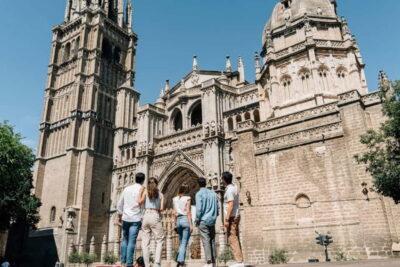
From Madrid: Toledo Guided Tour & Winery Visit with Tasting
Read our review →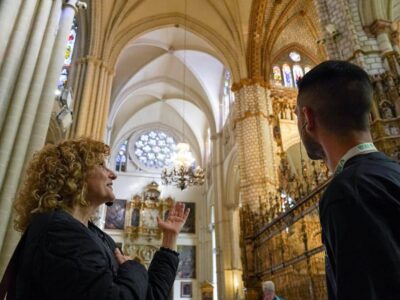
Madrid: Toledo Day Trip with Winery Visit and Wine Tasting
Read our review →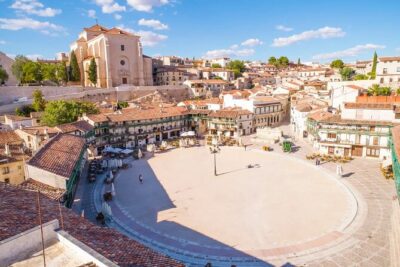
Spanish Villages & Winery Visit with Wine Tasting and Tapas Lunch
Read our review →
Toledo Full Day with Winery Visit, Tapas and Wine Tasting
Read our review →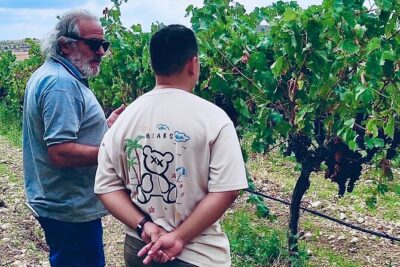
Visit Cuenca and a Vineyard in Spanish Tuscany from Madrid
Read our review →
Half-Day Trip from Madrid: Alcalá de Henares & Winery Visit
Read our review →