
Review · ITALY
Sirmione: Vineyard Tour with Lugana Wines and Local Tastings
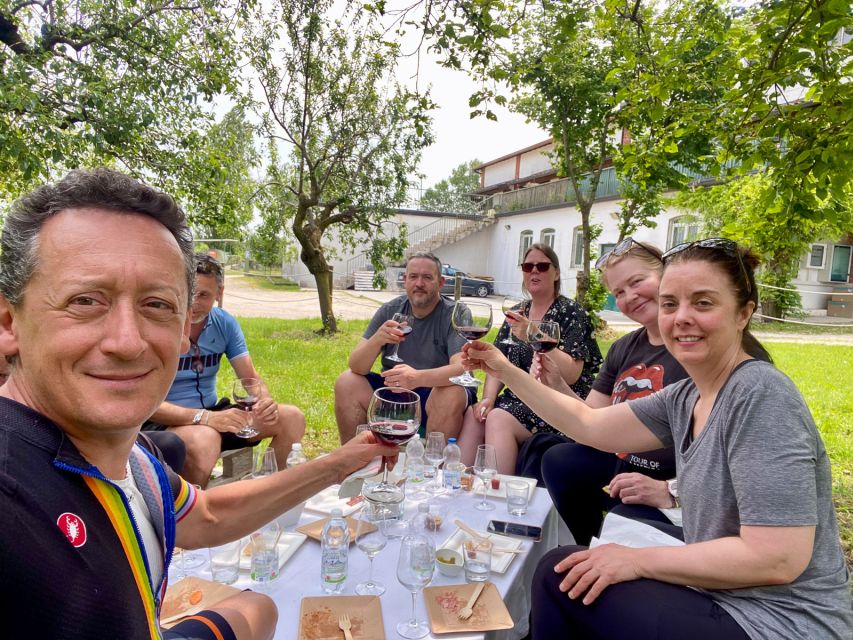
The best part of this experience is its close look at Turbiana grapes, the local variety used for Lugana wine. You walk through the vines, see the cellar, and learn how the clay soil, careful farming, and respect for biodiversity shape the bottle in your glass. The tasting then turns those ideas into something practical: wine with salami, cheese, jam, vegetables in oil, and bruschetta.
I like the small family-run setting, where guides such as Margarita, Alberto, Silvia, and Anna explain the work in clear English and answer questions without rushing you. I also like the value: the $40 starting price includes the vineyard and cellar visit, three wines, and a generous local spread. One point to consider is transport. The winery is outside central Sirmione, and while some visitors have walked there, others used a taxi that took about 15 minutes.
Key points to know before you book
- Turbiana and Lugana take center stage: Learn why this local grape is suited to the area’s clay soils.
- The cellar visit adds substance: You see how grapes become must and then wine, rather than stopping at a simple tasting.
- Food is part of the experience: Brescian salami, DOP cheeses, homemade jam, vegetables in oil, and Garda olive oil accompany the glasses.
- The 5-wine option may be worth the upgrade: It adds more styles and gives you a fuller picture of the winery’s work.
- Guides vary, but the personal approach remains: Margarita, Alberto, Silvia, and Anna have all led tours, with Italian and English available.
- Bad weather changes the route, not necessarily the visit: If rain keeps you from the vines, the cellar and wine-making explanation continue indoors.
A small winery close to Sirmione
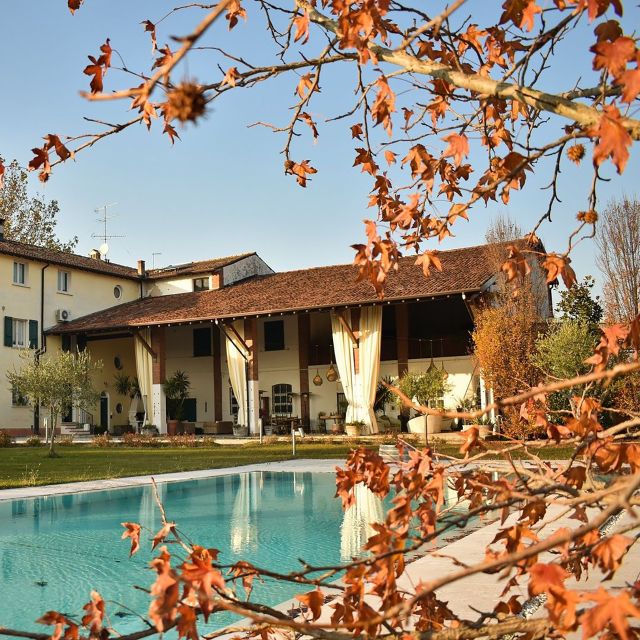
This is not a grand wine estate built for busloads. You arrive at a working family farm, ring the bell, and park free inside the property. That simple arrival sets the tone. You are visiting a place where wine, olive oil, preserves, and garden produce are part of daily life.
The exact setting matters. Lugana is produced around the southern end of Lake Garda, and the winery’s work is tied closely to the local soil and climate. The tour explains how Turbiana grapes are grown with sustainable methods, with attention to biodiversity and the health of the land.
I would choose this experience if you want a personal introduction to the area’s wine rather than a formal tasting room with little connection to the vineyard. You get to see the vines, the production area, the cellar, and the tasting space in one short visit.
The tour lasts about 90 minutes. That is long enough for a useful explanation and a relaxed tasting, but short enough to fit around a day in Sirmione. It works well in the morning or afternoon, depending on the available start time.
Other vineyard visits we rate around Italy
- Half day Chianti Vineyard Escape from Florence with Wine Tastings
★ 4.5 · 2,196 reviews - Private Self-Guided E-Bike Ride in Tuscany with Vineyard Visit
★ 5.0 · 775 reviews - Florence: Chianti Wine Region Vespa or Fiat Topolino Tour
★ 4.8 · 739 reviews
Walking among the Turbiana vines
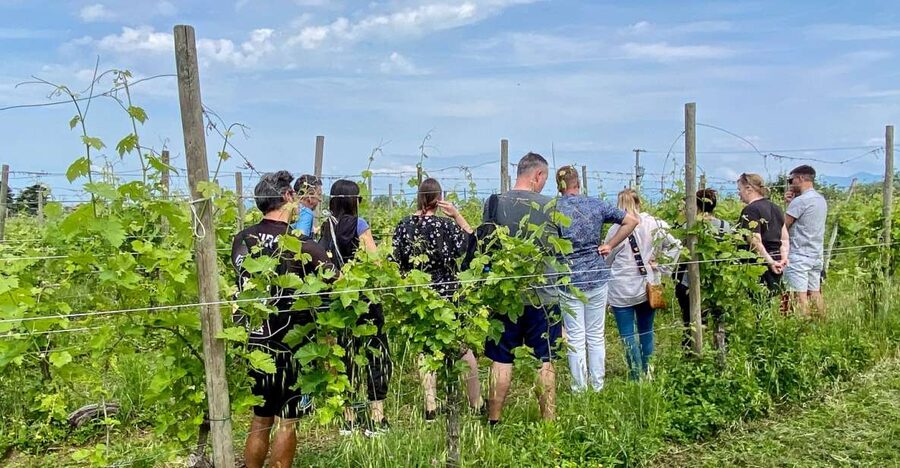
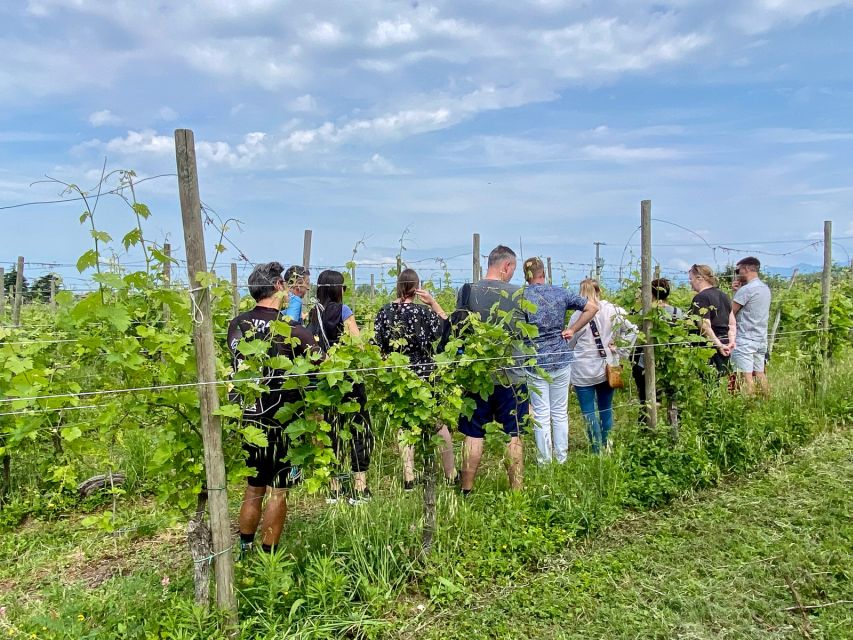
The vineyard visit comes first after your welcome. Your guide explains the grape variety used for Lugana and points out the approach taken by the farm. The focus is not only on production, but also on respect for the soil, the plants, and the wider natural setting.
This is useful context because Lugana can look like a simple white wine choice on a restaurant list. Here, you learn what makes it local. The Turbiana grape, the clay soils, and the timing of the harvest all help explain why two Lugana wines from the same estate can still show different character.
I like this part because it gives the tasting a clear purpose. Instead of hearing a list of tasting notes and forgetting them five minutes later, you can connect the wine with the place where it began.
The walk may be limited by weather. Rain has prevented some visits to the vines, but the tour can shift indoors to the cellar and production spaces. If seeing the vineyard is your main reason for booking, check the forecast and keep expectations sensible. The experience still has substance in bad weather, but it becomes more of a cellar and tasting visit.
Comfort is also worth considering. The tour is wheelchair accessible, but the supplied information does not describe every surface or incline between the vineyard, cellar, and tasting room. If you need specific access details, ask before booking.
From grape to must to finished wine
The cellar visit fills in the technical side. Your guide explains how the grapes first become must, then wine, and how the wines are handled as they mature. You may also hear about earlier vintages and the choices involved in aging.
The emphasis is on process rather than theater. You see where the wine is made and stored, then taste the results in the same setting. That link is valuable for first-time wine tasters because you do not need much prior knowledge to follow along.
The guides bring different personalities to the explanation. Margarita has led tours in English and Italian, and Alberto has been praised for his clear, enthusiastic presentation. Silvia and Anna have also guided visits. The individual guide may change, but the family approach is part of the appeal.
One small issue can arise when the tour includes both English and Italian speakers. Translation may mean standing for a little longer while the guide repeats the explanation. That is not a serious problem, but you should expect the pace to be slightly slower in a mixed-language group.
The tour is best for people who enjoy asking questions. You can learn about the vines, cellar work, aging, and the differences between wines, rather than simply receiving a glass and moving on.
Lugana first, then Cabernet del Garda
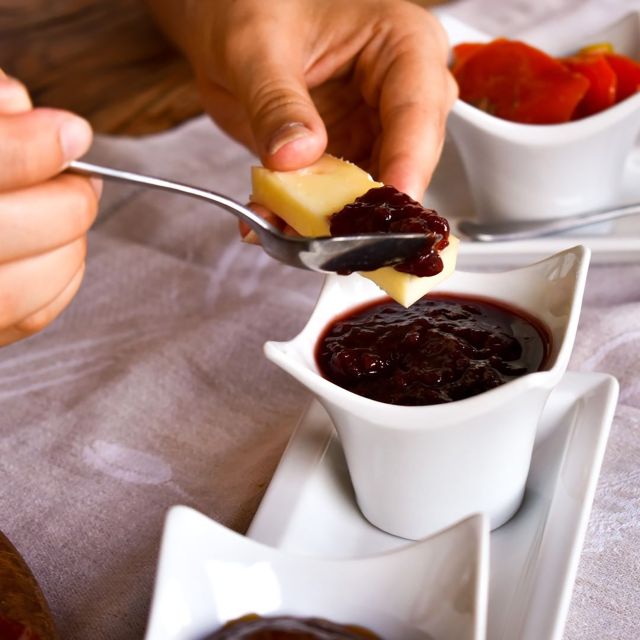
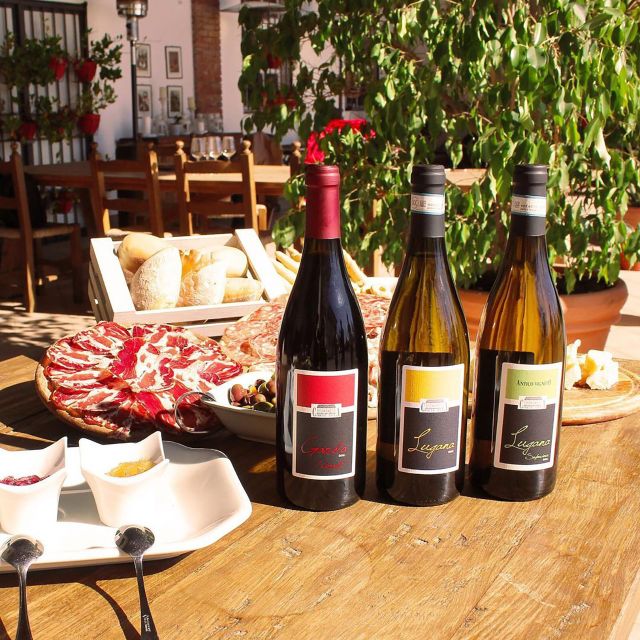
The standard three-wine selection includes a Lugana DOC, a vintage Lugana, and a red Cabernet from the Garda area. This is a smart sequence because it shows both the main local white wine and a red made from the land around Lake Garda.
The two Luganas let you compare a current style with an older vintage. That comparison is one of the most useful parts of the tasting. You can consider how time changes a wine, rather than treating Lugana as one fixed style.
The Cabernet gives the tasting a change of pace. It also answers a question many visitors have after seeing rows of white-wine grapes: what else does this farm make? The red helps broaden the picture, even though Lugana remains the main event.
You may receive more than a token sip. Some groups have been served generous pours, and one small group described having almost a full bottle shared across several wines. Pour sizes can vary with the group and the selected option, so I would not book expecting a private bottle. Still, the tasting is more substantial than a quick stand-up sample.
The 5-wine choice is worth serious thought. The supplied options include a classic-method sparkling wine and Garda Cabernet DOC, giving you more styles to compare. Several people who chose the shorter tasting wished they had selected the larger option, especially when this was their first wine experience in Italy.
If you mainly want to understand Lugana, three wines are enough. If you enjoy tasting slowly, comparing styles, or making a longer afternoon of it, choose five.
Same grapes, a different estate to taste:
- From Venice: Prosecco Wine Region Tour with 2 Tastings
★ 5.0 · 374 reviews - Discover Valpolicella Vineyards and Wine Tasting Experience
★ 4.5 · 341 reviews - Pompeii Vineyard Escape: Private Wine Tasting & Lunch
★ 5.0 · 329 reviews - Chianti Delights: A Tale Of Two Wineries With A Vineyard Dinner
★ 4.0 · 324 reviews
Local food that makes the wine work
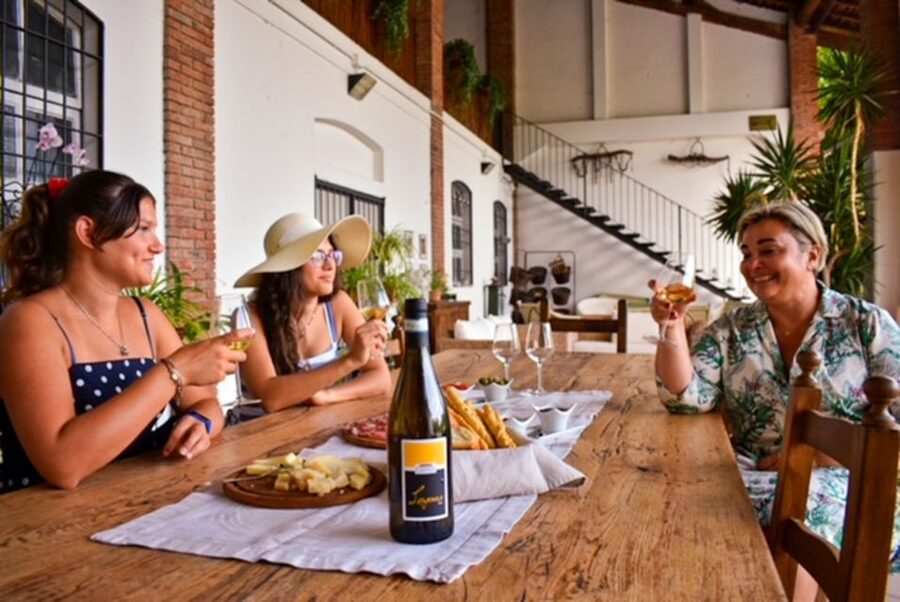
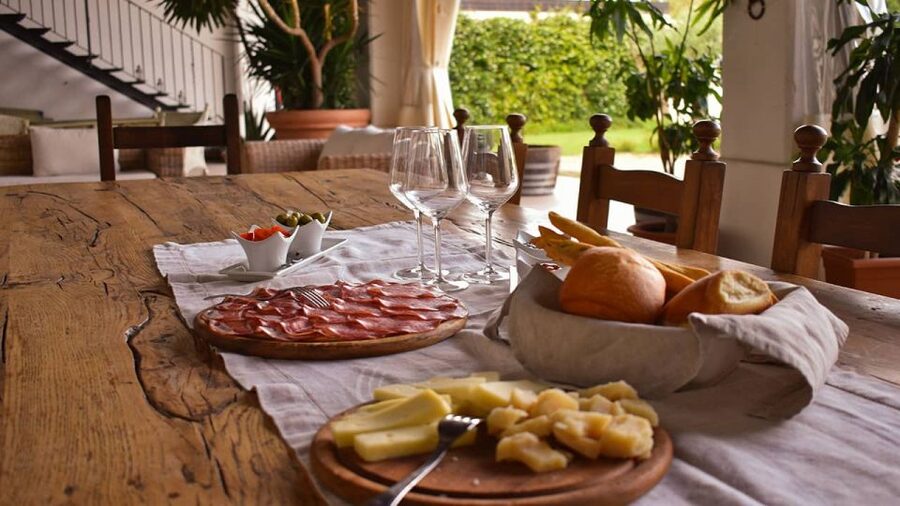
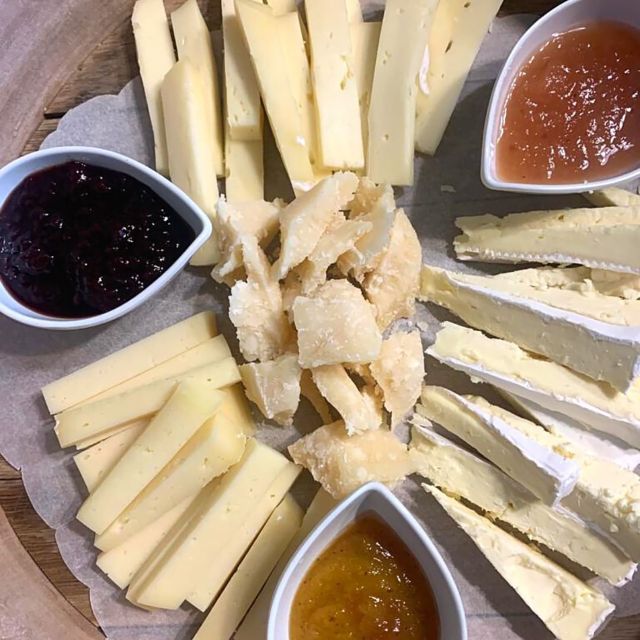
The food is not an afterthought. You taste the wines with salami from Brescia, DOP cheeses, homemade jam, vegetables preserved in oil, and bruschetta topped with Garda extra virgin olive oil.
That combination gives the tasting a local sense of place without turning it into a full meal. The cheese and salami make the wines easier to assess, while the jam adds sweetness and contrast. The vegetables in oil and olive bruschetta bring in the flavors of the farm and the surrounding region.
Portions are generally described as a generous snack, though one person wanted a little more food. I would plan to eat lunch or dinner separately, especially if you select five wines. Think of the spread as a well-chosen accompaniment, not a replacement for a meal.
The food also makes this a good choice for people who are unsure about wine tasting. You are not expected to sip wine in isolation. You can eat, talk, ask questions, and return to the glass as the tasting progresses.
Tell the winery about food intolerances in advance. Gluten-free choices have been available, but you should still report your needs when booking. Pets are allowed, which may help if you are touring the area with a dog.
Why the family setting matters
The family-run character is more than a warm welcome. It changes the scale of the visit. You are close to the people who care for the vines, make the wine, prepare some of the food, and sell bottles and olive oil directly.
You may meet a guide who is also part of the owner’s family. That personal connection helps explain why the conversation often moves beyond a fixed script. Guests have been able to ask about the wine-making process, aging, the region, and the products on the table.
The setting is also attractive. The property includes a garden used for some tastings, along with vineyard views and a cellar. In good weather, the outdoor setting adds a relaxed Lake Garda feel. In rain, the cellar and indoor spaces become more important.
I would not compare this with a large estate offering a polished visitor center, a shop full of merchandise, and a long formal tour. This is smaller and more direct. For some people, that is exactly the point. For others, the limited scale may feel less impressive than a major wine destination.
You can buy bottles, olive oil, jam, and other products after the tasting. Payment may be made by cash or card. If you want to take home a bottle, ask about current stock and prices during the visit.
Getting there from Sirmione
The meeting point has free parking inside, but you need to ring the bell when you arrive. Private transportation is not included.
The distance from Sirmione needs careful planning. One person found the winery walkable, while others used a taxi and described the ride as about 15 minutes, costing around €45 for a booked taxi. Those differences may reflect different starting points within the Sirmione area, so do not assume the walk is easy from your hotel or from the old town.
I recommend checking the route before you pay for the tour. If you do not have a car, ask your accommodation about taxi availability and the round-trip cost. A tasting followed by a long search for a ride is not the relaxed afternoon you want.
Free parking makes the visit straightforward if you are driving. If you are the driver, remember that this includes several wine pours. Arrange a non-drinking driver or use a taxi. The experience is much better when you can taste without worrying about the journey back.
Is $40 good value?
At $40 per person, the standard experience offers good value for a short wine visit. You receive a vineyard and cellar tour, explanations in Italian or English, three wines, and a spread of local food. The cost is especially fair if you want more than a bar tasting but do not have time for a full-day wine excursion.
The 5-wine version should be judged by how much you enjoy the tasting itself. It costs more, but it gives you a broader look at the winery’s production, including extra styles such as classic-method sparkling wine and Garda Cabernet. Several people who selected five wines felt the larger option made the visit feel more complete.
I would not choose the upgrade simply because more glasses always mean better value. If you are new to wine, three wines with food and a cellar tour may be plenty. If you enjoy comparisons, a longer tasting, or collecting bottles to take home, five is the better fit.
The reserve and older wines may also encourage purchases after the tour. That is optional, and the visit does not depend on buying anything. Still, if you like a bottle, olive oil, or jam, the farm gives you a direct way to take a local product home.
Who will enjoy this most?
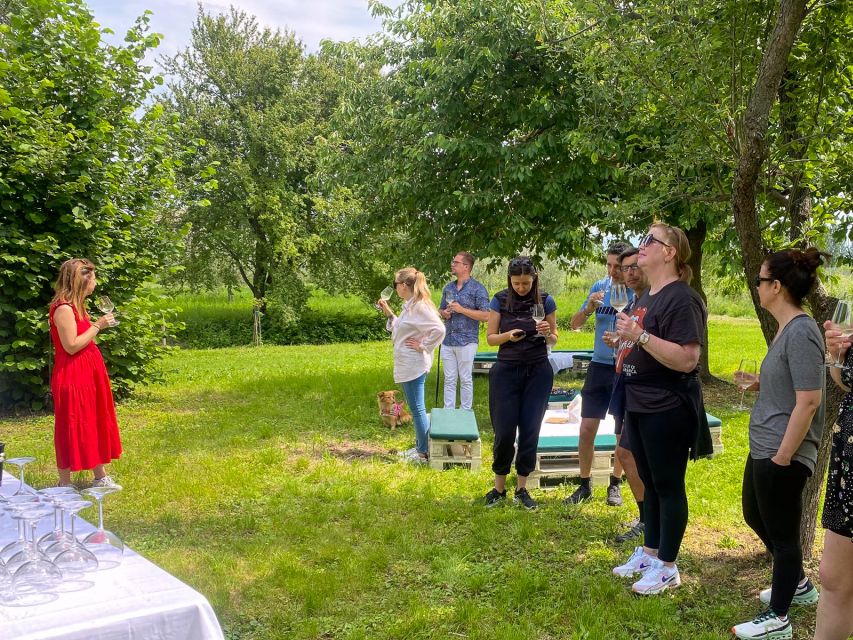
I would recommend this experience to couples, small groups, families with older children, and anyone who wants a calm break from Sirmione’s busier sights. One visit worked well for an 82-year-old participant, which suggests that the pace can suit different ages.
It is particularly good for first-time wine tasters. The guide explains the steps from vineyard to cellar, and the food makes the tasting approachable. You do not need to arrive with a vocabulary of wine terms.
It also suits people who care about local production. The focus on biodiversity, sustainable vineyard work, clay soils, and family labor gives you a better understanding of the area than a tasting without a vineyard visit.
I would be more cautious if your main goal is a large red-wine selection. The experience is built around Lugana, with Cabernet as the red option. One red-focused tasting may feel limited.
I would also think twice if you want a full meal, a long estate walk, or a highly polished visitor center. This is a compact, family-run visit with a generous snack, not a full winery day.
Should you book the Sirmione vineyard tour?
Book it if you want a personal introduction to Lugana, a family setting, and a tasting built around local food. The combination of Turbiana vines, cellar access, vintage comparison, and Brescian specialties gives you a clear sense of the area in only 90 minutes.
Choose the 5-wine option if you enjoy tasting and have arranged safe transport. Choose three wines if you want the main Lugana experience at the listed $40 price. Check your route from Sirmione before booking, and report food intolerances in advance.
I would skip it only if you want a large estate, a full meal, or a tasting focused mostly on red wine. For everyone else, this is a practical and enjoyable way to spend part of an afternoon near Lake Garda.
FAQ
How long does the vineyard and wine tasting experience last?
The experience lasts about 1.5 hours.
How much does the tour cost?
The listed starting price is $40 per person. A 5-wine option may cost more than the standard 3-wine choice.
Which wines are included in the 3-wine option?
The 3-wine selection includes a Lugana DOC, a vintage Lugana, and a Cabernet from the Garda area.
What is included with the 5-wine option?
The supplied options include a classic-method sparkling wine and Garda Cabernet DOC, along with the broader wine selection. Confirm the exact current lineup when booking.
What food is served with the wine?
The tasting includes DOP cheeses from Brescia, salami from Brescia, homemade jam, vegetables in oil, and bruschetta with Garda extra virgin olive oil.
Is transportation from Sirmione included?
No. Private transportation is not included. The winery has free parking inside, and you should check the route and taxi cost if you are not driving.
Can I visit if I do not speak Italian?
Yes. Live guides are available in Italian and English.
Can I bring my wheelchair or pet?
The activity is wheelchair accessible, and pets are allowed.
What happens if it rains?
The vineyard walk may not be possible in bad weather. The visit can continue with more time in the cellar and indoor areas, including explanations of the grapes and wine-making process.
Newly reviewed vineyards around Italy
- Winery Visit & Tasting near Grosseto with 6 wines★ 4.8 · 6 reviews
- Winery Visit & Tasting on the Volcanic Slopes near Catania★ 5.0 · 2 reviews
- Winery Visit on Parma Hills & Wine Tasting with Food Platter★ 5.0 · 26 reviews
- Wine tasting under the Stars in the vineyards of Agrigento★ 5.0 · 3 reviews
- Wine tour and lunch or dinner at our vineyard★ 4.6 · 15 reviews
- Wine Tasting and Winery Visit near Asti and Turin★ 4.5 · 5 reviews
- Walk through our vineyard and aperitif★ 4.7 · 19 reviews
- Volterra: Aperivintage aperitif in vineyard whit a Fiat 500★ 5.0 · 7 reviews
Italy Vineyard Tours, compared.
Half day Chianti Vineyard Escape from Florence with Wine Tastings
Read our review →
Private Self-Guided E-Bike Ride in Tuscany with Vineyard Visit
Read our review →
Florence: Chianti Wine Region Vespa or Fiat Topolino Tour
Read our review →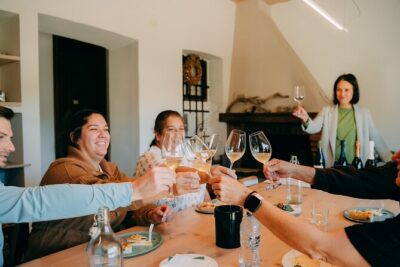
From Venice: Prosecco Wine Region Tour with 2 Tastings
Read our review →
Discover Valpolicella Vineyards and Wine Tasting Experience
Read our review →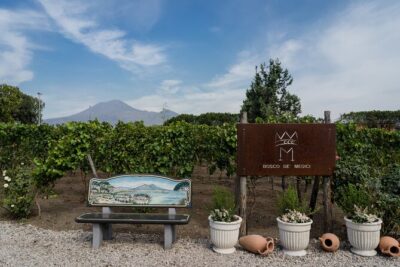
Pompeii Vineyard Escape: Private Wine Tasting & Lunch
Read our review →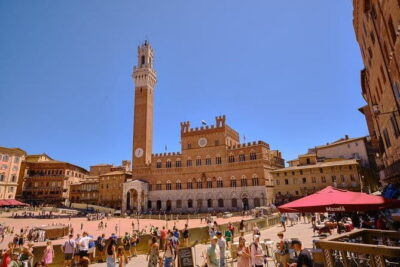
Chianti Delights: A Tale Of Two Wineries With A Vineyard Dinner
Read our review →
Naples Scenic E-Bike Ride to a Local Vineyard with Meal
Read our review →Lists this tour appears in