Review · STRASBOURG
Alsace Wine Route Small Group Half-Day Tour with Tasting from Strasbourg
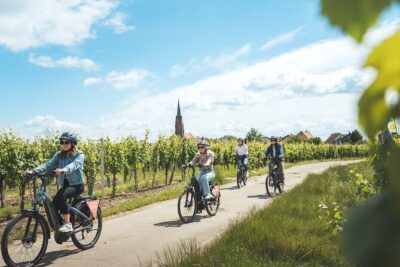
Alsace’s wine country is best understood beyond Strasbourg’s old center, where the road winds toward vineyard villages and the Vosges foothills. This four-hour tour gives you that quick look, with two winery visits and enough tasting to compare Alsace’s crisp Riesling, fragrant Gewürztraminer, and other local wines.
I like the small eight-person minivan, which makes the ride more relaxed than a large coach. I also like the chance to visit family-run producers, where a tasting may happen in a modest caveau or even a home setting rather than a polished corporate room. The main catch is simple: eat first. Food is not included, and the pours can add up.
The tour’s quality depends partly on the guide and the wineries assigned that day. Carlos, Jerome, Laurence, Pauline, Thierry, Leticia, Roman, Adam, and others have led highly praised departures, but the exact route and hosts can vary. One day may bring warm conversation with a winemaker; another may feel more like a driving tour with tastings attached.
Key points at a glance
- Two wineries in four hours: You get a compact introduction rather than a full-day survey of Alsace.
- A maximum of eight people: The small van allows questions and a more personal feel.
- Several guide styles: Carlos, Jerome, Laurence, Pauline, and other English-speaking guides may lead the outing.
- Local white wines: Tastings can include Riesling, Gewürztraminer, Crémant, and other Alsatian varieties.
- No food provided: Have breakfast or lunch before you arrive, since snacks are not normally served.
- A flexible winery schedule: The producers visited depend on the day, so repeat bookings can offer a different experience.
Why the Alsace Wine Route works as a half-day trip
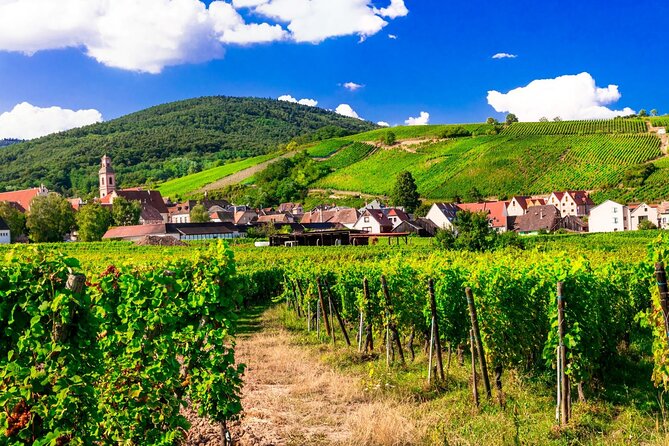
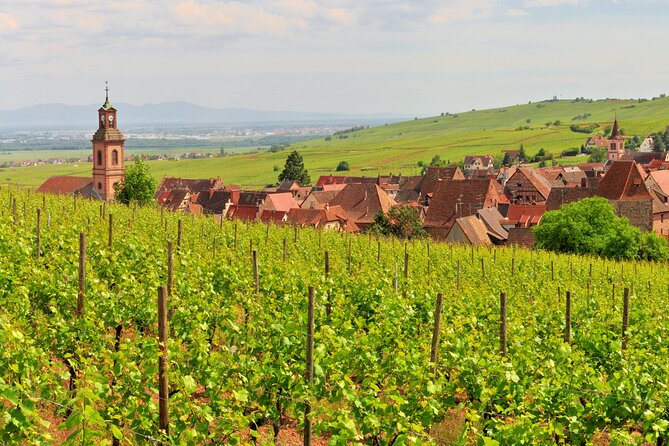
The Alsace Wine Route runs for about 105 miles, or 170 kilometers, along the eastern side of the Vosges Mountains. You will not cover the whole route in four hours. Instead, the outing uses a manageable section near Strasbourg, giving you a taste of the villages, vineyards, and cellar tradition without taking an entire day.
That shorter format is useful if you are based in Strasbourg and want time for the cathedral, museums, or a separate day trip. It also suits anyone who wants a first look before deciding which villages or producers deserve a longer visit.
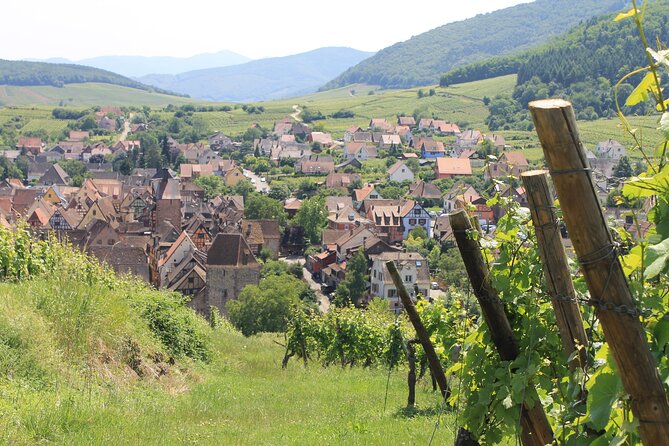
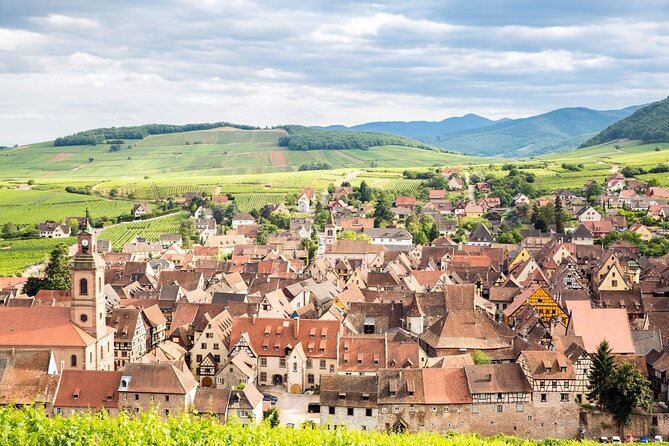
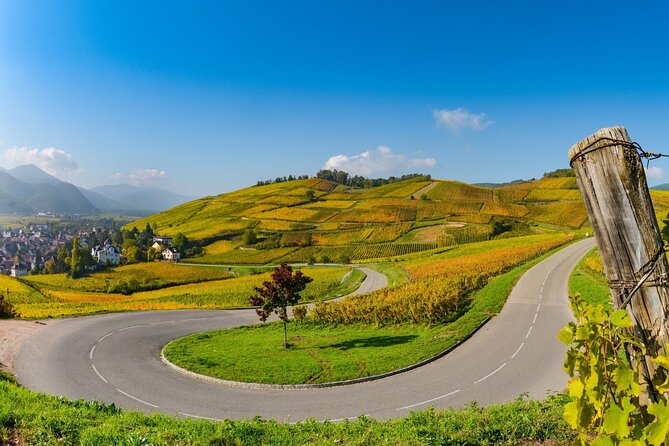
The drive is part of the experience. From the van, you may see sloping vineyards, old villages, and mountain views. Guides often point out local history, village names, wine families, and features of the countryside along the way. The better guides turn the drive into a running lesson rather than silent transport.
The tradeoff is road time. One tasting location may be close to Strasbourg, while another can require a longer run into the wine country. A four-hour tour with two stops leaves limited time for walking through villages or touring extensive vineyard grounds. Think of this as a wine introduction with scenery, not a village sightseeing tour that happens to include wine.
More Wine Country Day Trips in France
- Alsace Wine Route Wineries & Tasting Small Group Guided Tour from Strasbourg
★ 5.0 · 229 reviews - ICONICS Tour: 1/2 day on the Wine Route, visit of 2 Villages + Tasting.
★ 5.0 · 159 reviews - From Lyon: Beaujolais Wine Route Half-Day Tour
★ 4.7 · 119 reviews
Meeting the guide at Strasbourg station
The tour begins at 8 Place de la Gare, in front of Strasbourg’s main train station. This is a practical meeting point if you arrive by train or stay near the central station, but it is not hotel pickup. You need to get yourself there and return there at the end.
The vehicle is an air-conditioned minivan with room for no more than eight people. That limit matters. You can hear the guide more easily, ask questions without raising your voice, and get a more direct explanation of the wines. On some departures, a small booking group may have the van nearly to itself.
Tours are offered in the morning or afternoon. The choice affects how you plan meals, since no food is included. For a morning departure, eat a proper breakfast. For an afternoon departure, have lunch first. French tastings are generally served without snacks so the wine’s flavor is not altered, and a little bread is not guaranteed.
The tour requires at least two adults to operate, and it is for adults only. Children under 18 are not allowed. Pets are also not allowed. Most people can take part, and the activity is near public transportation.
What makes the first winery stop worthwhile
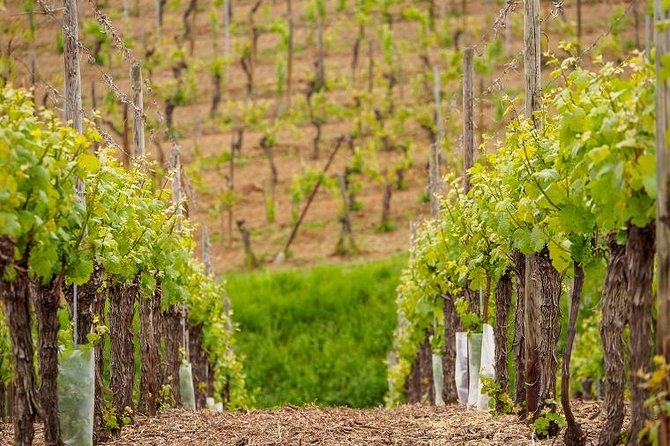
The first winery gives you a practical introduction to Alsace’s wine identity. The guide explains how soil, sun, and climate shape the grapes, then helps you compare the wines in the glass. Alsace is especially known for white wines, so expect the tasting to focus heavily on those styles.
You may taste several of the region’s seven main grape varieties. Riesling can be dry and sharp, while Gewürztraminer is often fuller and more aromatic. The point is not simply to drink several glasses. It is to notice how different the grapes can be even when they come from the same broad region.
The exact producer varies. Past departures have included small family wineries and estates such as Robert Blanck, Fritz Schmitt, Habsiger, and others. Some stops have included cellar visits, while others have been held in a modest family space. Do not assume every visit means walking through rows of vines or touring a large production facility.
That variation can be a strength or a weakness. A family home or kitchen-table tasting may feel personal and genuine, but it can disappoint you if you expect a formal winery tour. The setting depends on the producer assigned that day.
The second cellar and the value of contrast
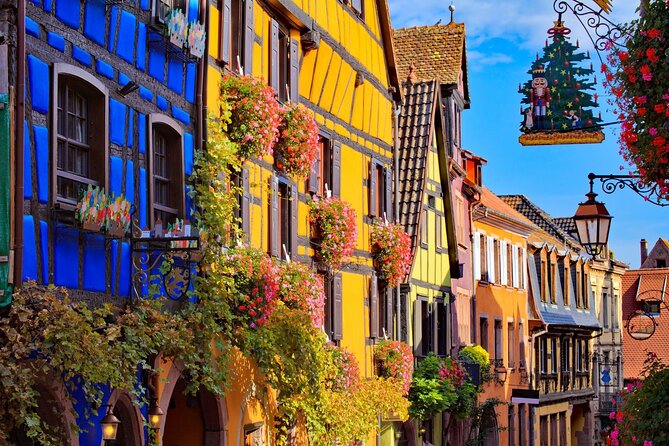
The second stop is meant to add another view of Alsace winemaking. A classic wine cellar, known locally as a caveau, offers the right conditions for storing and aging wine. Cool, sheltered rooms also help explain why cellars remain such an important part of the region’s wine culture.
The two stops are often different in scale and mood. One may be intimate, with a family member presenting bottles in a small room. The other may have a more structured tasting setup or a larger estate. That contrast helps you understand that Alsace wine is not made only by large, famous houses.
The amount poured can differ by producer. One particularly generous outing included around 15 wines across two locations, while other experiences have involved smaller tastes. You should not book this expecting a fixed number of glasses. The promise is two tastings, not a guaranteed flight size.
Crémant d’Alsace can also appear, giving you a chance to try the region’s sparkling wine. If you enjoy dry whites, floral whites, and sparkling wine, this tour offers plenty to compare. If you prefer red wine, the emphasis may feel narrow, since the area is best known for white varieties.
More stops on the Alsace wine route:
- Private and customizable: Alsace Wine Route HIGHLIGHTS in 3 hours
★ 5.0 · 63 reviews - Through Alsace Vineyards and Wine Villages Private Bike Tour
★ 5.0 · 47 reviews - Wine tour of the Alsace wine route
★ 3.4 · 23 reviews - From Strasbourg: Colmar & Alsace Wine Route Private Day Trip
★ 5.0 · 10 reviews
The guides make a real difference
The guide is a major part of the value. Carlos has been praised for his easy manner and strong command of local wine and culture. Jerome brings sommelier experience and has led visits to Robert Blanck in Obernai and Fritz Schmitt in Ottrott. Laurence has been described as warm, energetic, and eager to answer questions.
Pauline has led departures that included two different wineries, while Roman has introduced visitors to Crémant and other regional bottles. Thierry, Leticia, Adam, and other guides have also received strong praise for explaining the wine, history, and local customs.
You should still keep expectations realistic. The company uses a number of guides, and the guide named on one departure may not be available on another. One less successful outing felt more like a drive with tastings, while another had quiet stretches in the van. The experience is strongest when your guide enjoys explaining both the wine and the region.
If you care about wine technique, ask questions. Good topics include the grape varieties, why Alsatian wines taste different from wines in other French regions, how Crémant is made, and how the cellar affects aging. A curious group usually gets more from the tour than one that simply waits for the next pour.
Is $157.28 a fair price?
At $157.28 per person, this is not a cheap tasting. You are paying for a four-hour outing from Strasbourg, an English-speaking driver-guide, air-conditioned transport, and two winery tastings. You are also paying for the time and fuel required to reach producers outside the city.
The price makes more sense if you do not have a rental car, do not want to organize appointments in French, or prefer a guide to connect the wine with local geography and culture. Driving after several tastings is also a poor plan, so having transport is a real benefit.
The value is weaker if you expect a full meal, a long vineyard walk, or a large number of bottles to sample. Food is not included, and the two winery visits may be brief. You also cannot count on visiting a particular producer unless the operator confirms it.
For a first Alsace wine experience, the cost can be reasonable because the tour removes much of the planning. For serious wine collectors, a private or full-day outing may offer more time and control, though that would require a different budget.
Practical advice before you book
Eat well before meeting the van. This is the most important tip. Even a careful tasting can involve many pours, and the producers may offer only a little bread or nothing at all.
Wear comfortable clothes and shoes. You may enter a traditional cellar, but the tour is not described as a demanding walk. Still, wineries can be more informal than city tasting rooms, and practical clothing makes sense.
Keep your schedule flexible after the tour. The drive can be affected by traffic, the distance between wineries, and the pace of the tastings. The advertised duration is about four hours, but you should not plan a tight connection immediately afterward.
If you hope to buy wine, ask about shipping. Some producers can ship bottles internationally, and purchases can be arranged for delivery rather than carried through the rest of your trip. Personal expenses and insurance are not included.
The tour is non-refundable and cannot normally be changed after booking. If bad weather forces cancellation, you should be offered another date or a full refund. The same applies if the minimum number of participants is not reached.
Who will enjoy this tour most?
I would choose this for a first visit to Alsace, especially if you are staying in Strasbourg and want to see more than the city. It suits couples, solo adults, and small groups who enjoy learning as they taste and who appreciate meeting local producers.
It is also a good match for people who want a compact outing. Four hours is enough to get beyond Strasbourg, taste regional wines, and return without surrendering an entire day.
I would hesitate if your priority is a formal vineyard tour, extensive walking, food pairings, or a guaranteed visit to a famous estate. The winery schedule changes, and a family tasting room can be quite simple. If you want a polished presentation every time, this flexible format may feel uneven.
Should you book the Alsace Wine Route tour?
Book it if you want an easy, small-group introduction to Alsace wine with transport from Strasbourg. The strongest reasons are the eight-person limit, the scenic drive, the chance to visit two different producers, and the guides who bring real wine and regional knowledge to the ride.
Go in with the right expectations. You are buying a half-day tasting, not lunch, not a full vineyard expedition, and not a guaranteed meeting with a particular winemaker. Have breakfast or lunch first, accept that the two stops may differ in style, and you will be better placed to enjoy what this tour does well: connecting Strasbourg with the people, cellars, and wines of the Alsace Wine Route.
FAQ
Where does the tour begin and end?
It begins at 8 Place de la Gare in Strasbourg and ends back at the same meeting point.
How long does the tour last?
The tour lasts approximately four hours.
How many people can join the tour?
The maximum group size is eight people, traveling in an air-conditioned minivan.
Is food included?
No. Food and drinks are not included unless specifically stated. Snacks are usually not served during the tastings, so you should eat before the tour.
Are children allowed?
No. This is an adult-only experience, and children under 18 are not permitted.
Can I choose a morning or afternoon departure?
Yes. You can select a morning or afternoon tour when booking.
Half-day trips to the vines around France
- Saint Emilion Half-Day Trip with Wine Tasting & Winery Visit from Bordeaux
★ 4.5 · 1,034 reviews - Bordeaux: Vineyards Wine Tasting Half-Day Trip
★ 4.2 · 470 reviews - Half-Day Wine tour across Bordeaux’s Vineyards
★ 3.5 · 429 reviews - From Avignon: Half-Day Great Vineyards Tour
★ 4.8 · 337 reviews
Newly reviewed vineyards around France
- Vosne-Romanée: Private Vineyards Walking Tour with Tasting★ 4.4 · 9 reviews
- Vineyard of the Alpilles by bike★ 4.6 · 8 reviews
- Vineyard tour and wine tasting in Davron★ 4.5 · 7 reviews
- Private Vineyard Tour and Wine Tasting in Bandol★ 5.0 · 16 reviews
- Vineyard visit in Gyropode, visit of Cave & Tasting Wines of Bandol★ 5.0 · 19 reviews
- Bike ride on the Wine Route from Sélestat★ 5.0 · 5 reviews
- Horse riding in the vineyards of Grimaud + wine tasting★ 5.0 · 3 reviews
- 1/2 day private Vintage tour, vineyards of Saint-Tropez★ 5.0 · 6 reviews
Strasbourg Vineyard Tours, compared.
Alsace Wine Route Wineries & Tasting Small Group Guided Tour from Strasbourg
Read our review →
From Strasbourg: Colmar & Alsace Wine Route Private Day Trip
Read our review →