
Review · ITALY
Apulia: Guided Vineyard Tour with Wine Tasting
The most appealing part of this Itria Valley experience is the way it links the whole wine story together, from grapevines among the trulli to fermentation, oak aging, and the final tasting. I like the walk through indigenous vineyards, and I like that the tasting includes proper Apulian bites rather than a few lonely crackers. The underground cellar, with more than 600 oak barriques, adds real substance.
The main thing to consider is transport. You must reach the estate on Strada Noci, 314 yourself, and the tour includes walking outdoors. The tasting can last from 90 minutes to three hours, so check which package you are booking and arrive 15 minutes early.
Key points to know before booking
- A family wine story starts under an old oak tree: The introduction connects the estate to local farming customs and generations of work in Puglia.
- The cellar holds more than 600 oak barriques: You will see where selected wines age after fermentation.
- The tasting changes by package: Classic offers three wines, Premium four, and VIP seven.
- The food is distinctly Apulian: Expect taralli, olives, dried fava beans, friselline, focaccia, cheeses, salumi, tomatoes, basil, and olive oil.
- The Santa Rosa Vineyard is the VIP extra: This is described as the estate’s largest vineyard and its agricultural center.
- Guiding is available in three languages: English, Italian, and Spanish are offered, and Martin has handled a bilingual tour.
Why this estate gives you more than a quick tasting
Many winery visits rush you from a bus to a table, pour three glasses, and send you on your way. This experience takes a wider view. You begin among the vines, see the production rooms, visit the barrel cellar, and then sit down to taste the finished wine with regional foods.
That order matters. When you taste Negroamaro, Primitivo, Verdeca, Susumaniello, Fiano, or Aglianico after seeing the grapes and cellar, you have a better sense of how the bottle fits into the work of the estate. The seasonal wine list also means the exact selection can change, rather than forcing every visit into the same fixed lineup.
The estate produces 16 premium labels, but you will not necessarily taste all of them. Your package determines the number of pours, while the staff selects wines according to the season and your preferences. That is useful if you know a little about wine, but it also works for a beginner who wants clear explanations without a formal wine course.
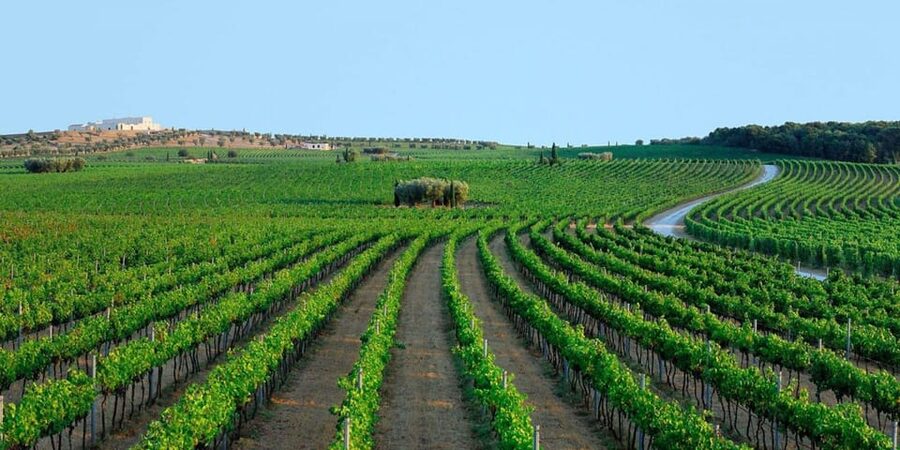
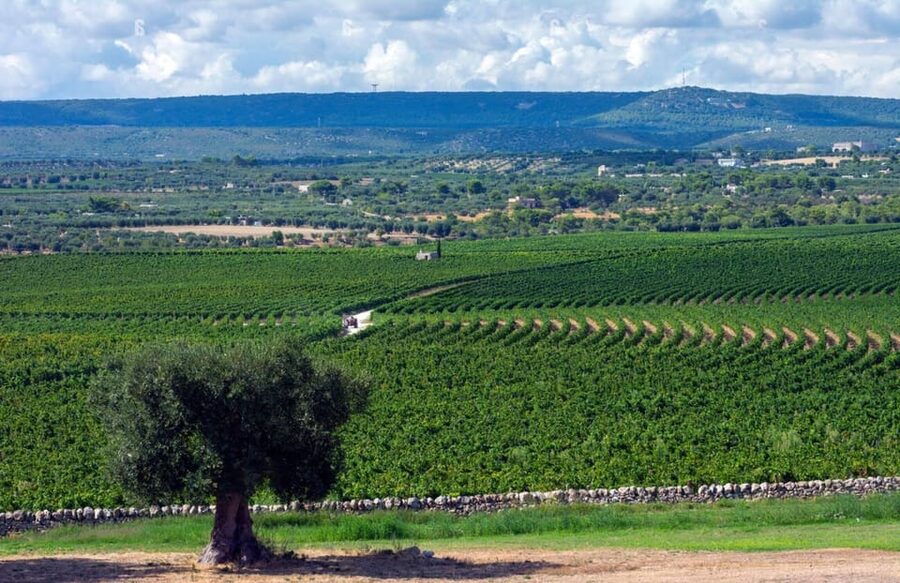
The setting adds another layer. The Itria Valley is known for its pale stone trulli, country lanes, and vineyards. The tour is not only about alcohol. It gives you a look at how agriculture, food, family business, and local identity meet in this part of Apulia.
Vineyard walks with a guide around Italy:
- Private Self-Guided E-Bike Ride in Tuscany with Vineyard Visit
★ 5.0 · 775 reviews - Guided Wine Tasting Experience in a Roman Vineyard
★ 5.0 · 39 reviews - Lucca: self-guided bike tour + picnic in the vineyards
★ 4.5 · 19 reviews
Starting at Strada Noci, 314
The meeting point is at the entrance to the estate on Strada Noci, 314. A staff member receives you at the main gate, and your guide wears a name badge. Since transportation is not included, plan your route before leaving your hotel or town.
Arriving 15 minutes early is sensible. Rural estates can take more time to reach than a city address suggests, and you do not want to begin the vineyard walk while still searching for the gate. The exact starting times vary, so check availability when you reserve.
The activity is wheelchair accessible, but it still includes a scenic walk through the vineyard. If you use a wheelchair or have limited mobility, confirm the practical route and surface conditions with the provider before arrival. Everyone should wear comfortable walking shoes and dress for the forecast. Puglia can be hot in summer, while a breezy or wet day can change the feel of an open vineyard quickly.
The oak tree introduction and vineyard walk
The visit begins with a historical introduction beneath a large oak tree. This is a good place to hear the family story before moving into the working parts of the estate. You learn about the connection between the owners, the land, and the farming customs passed through generations.
Next comes a walk through indigenous vineyards. The guide explains how the estate cultivates its prized grape varieties and discusses sustainable growing methods. This is the part I would pay close attention to if you want more than a standard tasting, since it shows that wine begins long before the cellar.
The walk also gives you time for photographs and free exploration. The scenery includes vines, rural Apulia, and the visual character of the Itria Valley. Do not expect a long countryside hike. This is a guided estate visit, not a full-day walking tour, but the outdoor section helps you understand the setting behind the wines.
The 105-minute portion of the program includes the introduction, vineyard walk, sightseeing, a photo stop, and some free time. Because the exact rhythm can change by package and group, you may spend more or less time in each area. The longer VIP option adds a visit to the Santa Rosa Vineyard, described as the largest vineyard in the Itria Valley and the working heart of the estate.
Inside the eco-friendly winery
After the vines, the tour moves into the modern winery. Here, the guide explains the production process from fermentation through aging. You see how grapes become wine and how the estate combines modern equipment with older regional practices.
The winery is described as eco-friendly, which gives the tour a useful present-day angle. You are not looking only at traditional methods or only at polished technology. Instead, you get a picture of a family operation trying to maintain local varieties while using current production methods.
The underground barrel cellar is the visual highlight for many wine enthusiasts. More than 600 oak barriques are used to age the estate’s finest wines. The cellar also helps explain why oak-aged wine can have a different aroma, texture, and finish from a young wine that goes straight from tank to bottle.
This part is especially helpful for first-time wine visitors. You do not need to know the difference between fermentation and aging before you arrive. The guide talks you through the process, and you can ask questions as the equipment and barrels make the explanation easier to follow.
Guides have been praised for their warm, clear presentation. Martin has led a tour in two languages, and Martin, Martino, Armando, and Peto are the names connected with the guiding team. The language options are English, Italian, and Spanish. The exact guide depends on the date and group, but the multilingual setup is useful for couples or families who do not all speak the same language.
Other vineyard visits we rate around Italy
- Half day Chianti Vineyard Escape from Florence with Wine Tastings
★ 4.5 · 2,196 reviews - Florence: Chianti Wine Region Vespa or Fiat Topolino Tour
★ 4.8 · 739 reviews - From Venice: Prosecco Wine Region Tour with 2 Tastings
★ 5.0 · 374 reviews - Discover Valpolicella Vineyards and Wine Tasting Experience
★ 4.5 · 341 reviews
The tasting room and Apulian food pairings
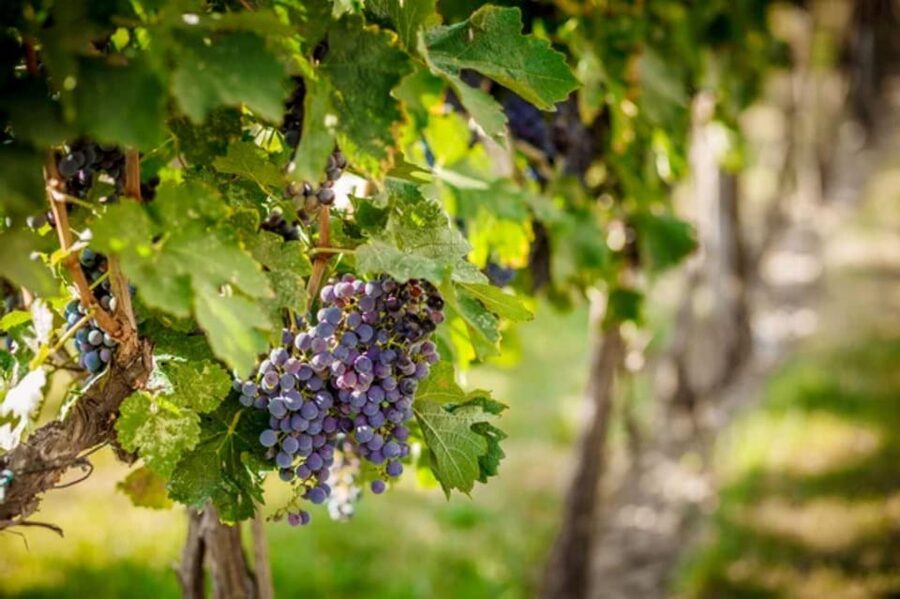
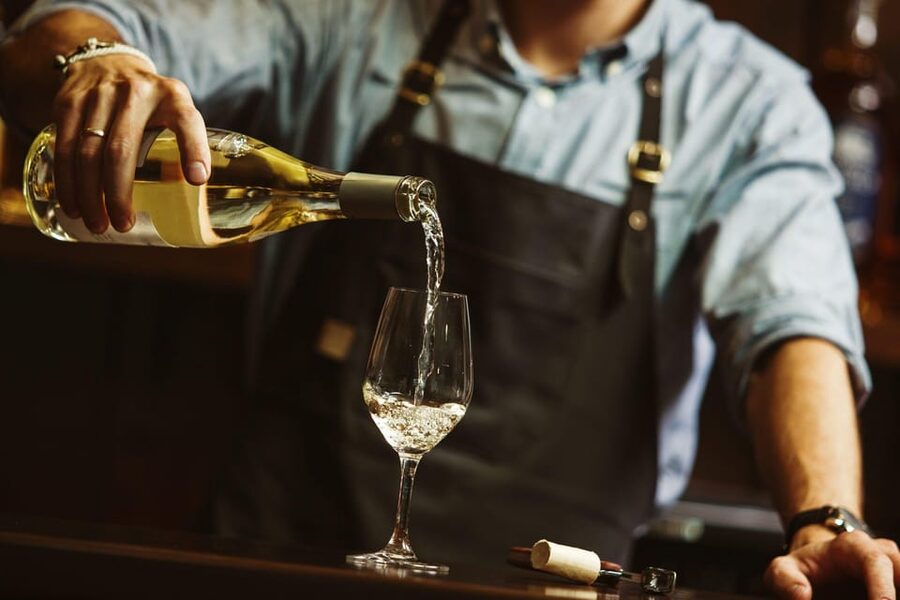
The tasting takes place in an elegant tasting room, where the staff presents each wine and explains its aromas and character. This is not simply a sequence of glasses placed in front of you. The staff aims to match the seasonal selection to your taste, so tell the guide what you usually enjoy, such as dry whites, bold reds, or lighter styles.
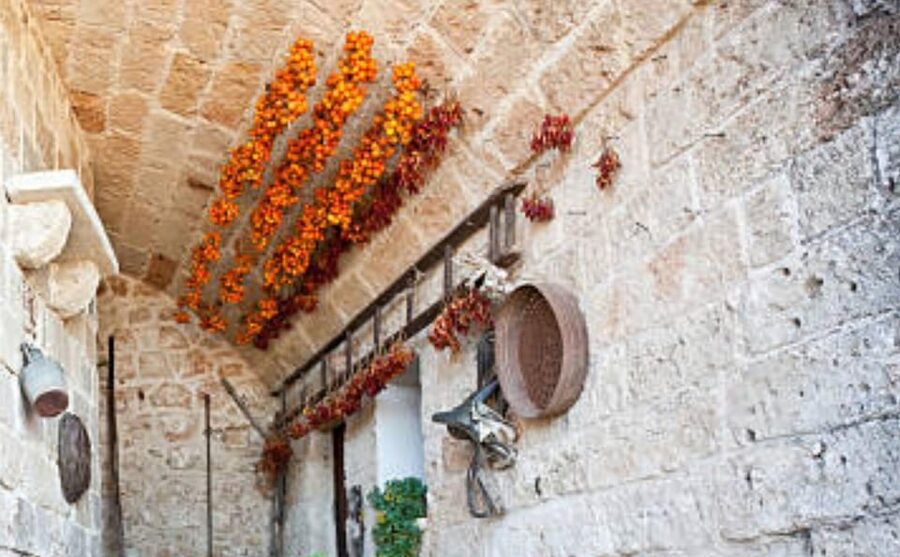
The food is a strong feature. Depending on your package, you may taste taralli, olives, cheeses, cured meats, dried fava beans, focaccia, friselline, extra virgin olive oil, tomatoes, and basil. These are small regional foods, but they give the wine a proper local setting.
The Premium and VIP packages include a light lunch. That does not mean a full restaurant meal with several courses. Think of it as a generous tasting spread built around focaccia, friselline, cheeses, and salumi. If you need a substantial lunch, plan another meal before or after the visit.
The food also makes the tasting easier for people who are not serious wine drinkers. A tarallo or piece of focaccia gives you something to eat between pours, while cheese and cured meat show how a wine behaves with salt, fat, and herbs. The tasting becomes a small lesson in Apulian table customs rather than a technical exercise.
Choosing Classic, Premium, or VIP
The three packages suit different schedules and budgets.
Classic takes about 90 minutes. You taste three wines with taralli, olives, cheeses, and local cured meats. This is the practical choice if your day already includes several stops around the Itria Valley or if you want an introduction without a long lunch.
Premium takes about two hours. Four wines are paired with a light lunch of focaccia, friselline, cheeses, and salumi. I would choose this for most visitors. You get enough time for the vineyard, winery, cellar, and tasting without committing to the longest option.
VIP takes about three hours. Seven wines are served with the Premium food selection, plus a visit to Santa Rosa Vineyard. This is the best fit if wine is a central reason for your Apulia trip. Seven wines require a slower pace, so arrange your later plans carefully and do not schedule a demanding activity immediately afterward.
The advertised price is $47 per person. At that level, the value depends on what you want from a winery visit. For a short tasting alone, you can find cheaper options. Here, the price also covers the estate walk, production explanation, cellar visit, guide, and local food. That makes it a fair choice for someone who wants context and not just pours.
Check the package before booking, since the price and duration may relate to the selected option. Extra bottles, souvenirs, personal expenses, professional photographs, and special events are not included. If you like a wine, you can buy additional bottles separately, but purchases beyond the tasting are your responsibility.
What makes the guides important
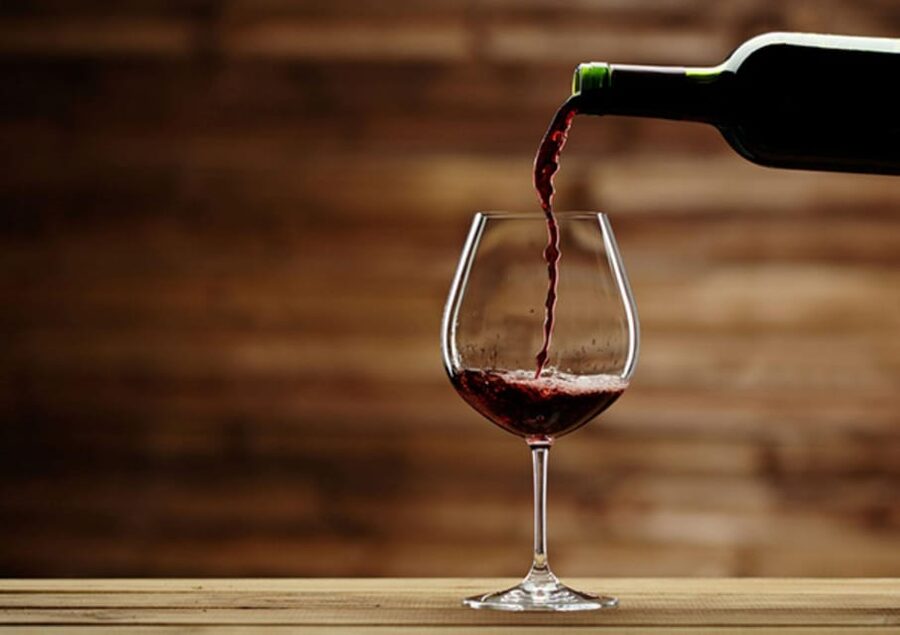
A winery visit can feel stiff if the presentation turns into a lecture. The available feedback points to a more personal style, with guides who explain the company and the wines in a friendly way. Martin has been singled out for conducting the tour in two languages, a useful skill when a mixed-language group is sharing one visit.
Armando and Peto have also been associated with a warm welcome and careful explanations. Martino has guided visitors through the estate and explained the flavors of the wine. These details suggest that the human side of the visit is a major part of its appeal.
Still, the exact guide is not guaranteed. The listing identifies the language choices, not a fixed person for every departure. Go in ready to ask questions. If you want to understand a grape variety, barrel aging, or the reason for a particular food pairing, this is the right moment to speak up.
Practical planning for your Apulia day

You need to arrange your own transportation to and from the estate. The meeting point is clearly marked at the main gate, but no hotel pickup is included. This makes the experience easiest for people with a rental car or a firm plan for reaching the countryside.
Wear shoes suited to a vineyard path, not dress shoes or thin sandals. Bring protection from the sun when the forecast calls for it, and check the weather before leaving. Much of the visit takes place indoors, but the vineyard section is part of the point.
The tour is available in English, Italian, and Spanish. It is also wheelchair accessible, though the outdoor walk is worth confirming in advance if you have mobility concerns. Free cancellation is available up to 24 hours before the start time, and you can reserve now and pay later, which helps if your Apulia route is still taking shape.
The overall rating is 4.8 from seven reviews, with praise focused on the guides, the bilingual presentation, and the welcoming feel of the winery. That is a small sample, so I would treat it as a positive signal rather than a guarantee that every departure will feel identical.
Who should book this vineyard tour?
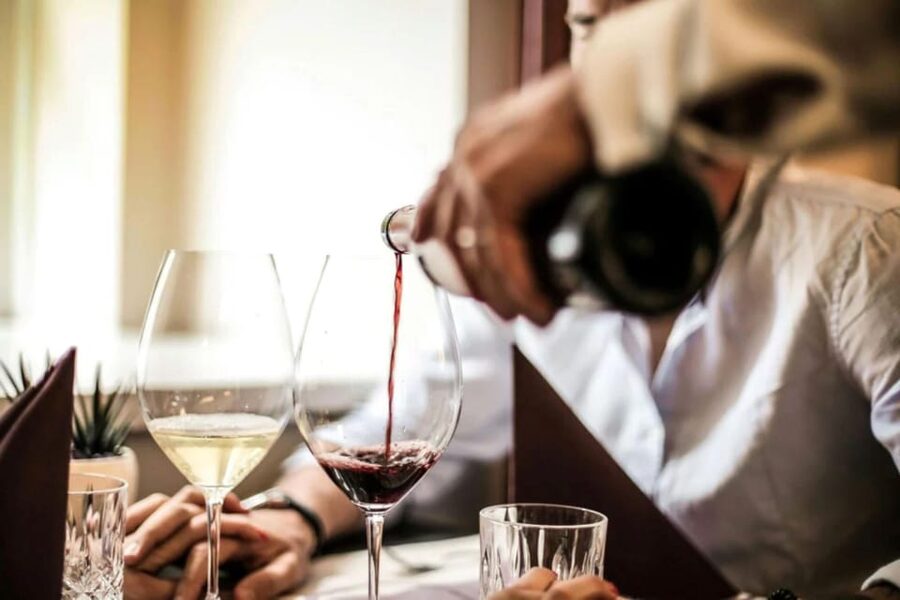
I would recommend it to wine lovers, food-focused visitors, couples, and anyone staying around the Itria Valley who wants a local activity lasting less than half a day. It also suits people who prefer a guided explanation before tasting instead of arriving at a bar and ordering from a list.
The Classic package works for a first taste or a busy sightseeing day. Premium is the best all-around choice if you want food and a more relaxed visit. VIP is for people who care about vineyard scale, a longer tasting, and a closer look at the estate’s agricultural side.
This may not be right for you if you need hotel transportation, want a full restaurant lunch, dislike walking outdoors, or are looking for a private, highly customized visit. Those services cost extra or are not part of the standard experience.
Should you book it?
Book this tour if you want to connect Apulian wine with the soil, vines, cellar, and food that surround it. The 600-barrel underground cellar, seasonal wine selection, and regional tasting spread give the visit more depth than a quick sample at a wine shop.
Choose Premium for the strongest balance of time, food, and wine. Pick VIP only if you have three hours and a real interest in the Santa Rosa Vineyard and seven-wine tasting. If you can reach the estate easily and dress for the walk, this is a practical way to spend part of a day in the Itria Valley.
FAQ
Where does the vineyard tour meet?
The meeting point is at the entrance to the estate on Strada Noci, 314, in the Itria Valley. A staff member will welcome you at the main gate, and the guide will wear a name badge.
How long does the experience last?
The available packages last from 1.5 to 3 hours. Classic takes about 90 minutes, Premium about two hours, and VIP about three hours.
How many wines are included?
Classic includes three wines, Premium includes four, and VIP includes seven. The specific selection is seasonal and can be tailored to your preferences.
What food is served with the wine?
The tasting can include taralli, olives, cheeses, cured meats, dried fava beans, and friselline with extra virgin olive oil, tomatoes, and basil. Premium and VIP include a light lunch with focaccia, friselline, cheeses, and salumi.
Is transportation included?
No. You must arrange your own transportation to and from the estate.
What languages are available, and is the tour wheelchair accessible?
Guided tours are available in English, Italian, and Spanish. The activity is wheelchair accessible. Wear comfortable walking shoes and arrive 15 minutes before the scheduled start.
Newly reviewed vineyards around Italy
- Winery Visit & Tasting near Grosseto with 6 wines★ 4.8 · 6 reviews
- Winery Visit & Tasting on the Volcanic Slopes near Catania★ 5.0 · 2 reviews
- Winery Visit on Parma Hills & Wine Tasting with Food Platter★ 5.0 · 26 reviews
- Wine tasting under the Stars in the vineyards of Agrigento★ 5.0 · 3 reviews
- Wine tour and lunch or dinner at our vineyard★ 4.6 · 15 reviews
- Wine Tasting and Winery Visit near Asti and Turin★ 4.5 · 5 reviews
- Walk through our vineyard and aperitif★ 4.7 · 19 reviews
- Volterra: Aperivintage aperitif in vineyard whit a Fiat 500★ 5.0 · 7 reviews
Italy Vineyard Tours, compared.
Half day Chianti Vineyard Escape from Florence with Wine Tastings
Read our review →
Private Self-Guided E-Bike Ride in Tuscany with Vineyard Visit
Read our review →
Florence: Chianti Wine Region Vespa or Fiat Topolino Tour
Read our review →
From Venice: Prosecco Wine Region Tour with 2 Tastings
Read our review →
Discover Valpolicella Vineyards and Wine Tasting Experience
Read our review →
Pompeii Vineyard Escape: Private Wine Tasting & Lunch
Read our review →
Chianti Delights: A Tale Of Two Wineries With A Vineyard Dinner
Read our review →
Naples Scenic E-Bike Ride to a Local Vineyard with Meal
Read our review →Lists this tour appears in