
Review · BORDEAUX
Discovery of the Bordeaux vineyard in 3 wines
Bordeaux wine can seem like a code of riverbanks, appellations, grape blends, and grand classifications. This tasting makes that code much easier to read. In about 90 minutes, you sample a powerful Left Bank red, an elegant Right Bank red, and a dry white while learning why each tastes different.
I like the small-group format, with no more than 12 people, and the friendly teaching style associated with hosts such as James and Pierre. I also like the useful food pairing, with Basque ham, cheese, and bread from Maison Pierre Oteiza. The main drawback is that you visit a wine shop tasting room rather than a vineyard or château, and the session time may need checking since 2:30 p.m. has been given as the actual start time.
Key points at a glance
- Three wines, three Bordeaux ideas: Compare a Left Bank red, a Right Bank red, and a dry Bordeaux white.
- A practical lesson: Learn how to taste wine, read appellations, and connect grape varieties with local soil and style.
- Roman-era stories: The presentation links Bordeaux wine to the region’s long past, not just modern bottles.
- Basque pairings: Sample charcuterie and cheese from Maison Pierre Oteiza alongside bread.
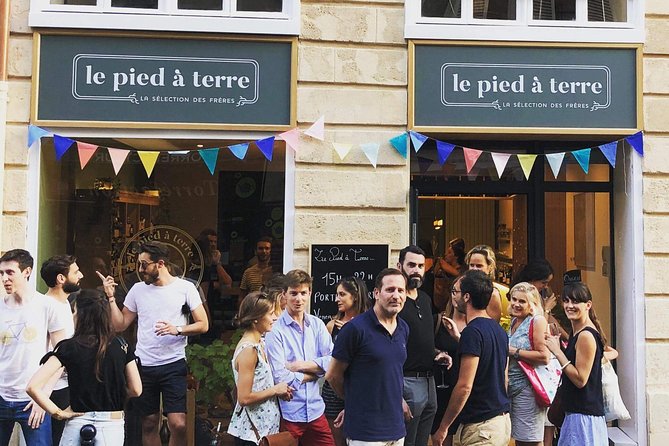
- Intimate setting: The group is limited to 12 people at Le Pied à Terre, an easy-to-find wine shop and tasting space.
- Useful first step: This works well before a château visit, especially if Bordeaux wine is new to you.
Three Bordeaux wines that explain the region
The clever part of this tasting is its simple structure. Instead of pouring three unrelated bottles, the session uses three wines to sketch the shape of Bordeaux.
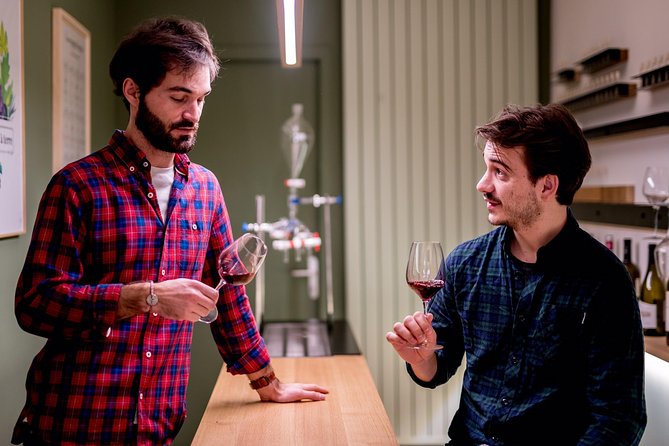
You begin with a red from the Left Bank, where the style is presented as powerful. You then taste a Right Bank red, described as more elegant. A dry white brings freshness and gives you a different view of Bordeaux, a region better known outside France for red wine.
That comparison matters. Bordeaux is not one single wine style. The city gives its name to a broad wine region with many appellations, estates, grape combinations, and local conditions. A Left Bank bottle and a Right Bank bottle can both say Bordeaux on the label yet offer very different aromas, textures, and weight.
I appreciate this approach because you taste first and then place each wine in context. The guide discusses the appellation, grape varieties, winemaking methods, estate history, and the producers behind the bottles. You are not simply handed a glass and told that it is good. You learn what to notice and why the wine belongs to its particular part of Bordeaux.
The exact bottles can vary, so you should not book this expecting three named wines. The point is the contrast between the styles. Two of the reds have sometimes included Grand Cru Classé wines, which adds interest for anyone curious about Bordeaux’s classification system, but the experience is best understood as a regional introduction rather than a fixed luxury flight.
Other vineyard visits we rate around Bordeaux
- Saint Emilion Half-Day Trip with Wine Tasting & Winery Visit from Bordeaux
★ 4.5 · 1,034 reviews - Bordeaux: Vineyards Wine Tasting Half-Day Trip
★ 4.2 · 470 reviews - Half-Day Wine tour across Bordeaux’s Vineyards
★ 3.5 · 429 reviews
How the tasting lesson works
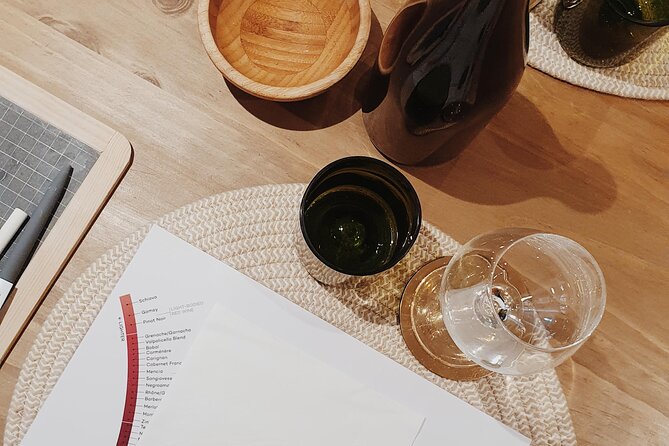
The teaching is aimed at curious beginners, but it also gives experienced wine drinkers something useful. The host explains the basic mechanics of tasting in plain language: how to look at the wine, smell it, taste it, and think about its balance.
That practical focus is one of the strongest reasons to book. You learn how to taste without needing to pretend that you already understand every wine term. The atmosphere is relaxed rather than stiff, and the hosts are comfortable answering questions about wine in general.
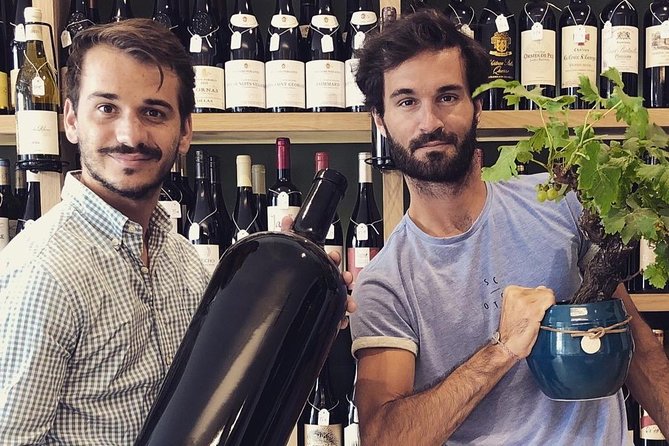
James has been described as an English-speaking host with a strong grasp of Bordeaux history and wine. Pierre has also led the session, with an easy manner and a talent for making the class entertaining. The brothers who run the experience bring humor into the presentation, so this is not a silent tasting where everyone sits with a serious face and swirls a glass.
I like that the lesson appears to welcome questions. You can ask about the difference between the two banks, how Bordeaux wines are classified, or what to pair with a particular style. The presentation may wander a little if the group gets talking, which is pleasant for an informal class but less ideal if you prefer a tightly scripted lecture.
The most useful takeaway is not a list of tasting adjectives. It is a method. You leave with a better way to compare wines and a clearer sense of what you are looking for in a Bordeaux bottle.
Left Bank power, Right Bank elegance, and white-wine freshness
The first red focuses on the Left Bank style. The wine is presented as powerful, giving you a chance to consider body, structure, and the way a red wine feels in your mouth.
The second red shifts attention to the Right Bank. Here, the emphasis is elegance. Tasting these wines one after another is more helpful than hearing a long explanation because your palate can compare them directly.
The dry white completes the set. It adds freshness and keeps the tasting from becoming two similar red wines followed by a quick goodbye. It also reminds you that Bordeaux produces more than the famous deep reds associated with its grand estates.
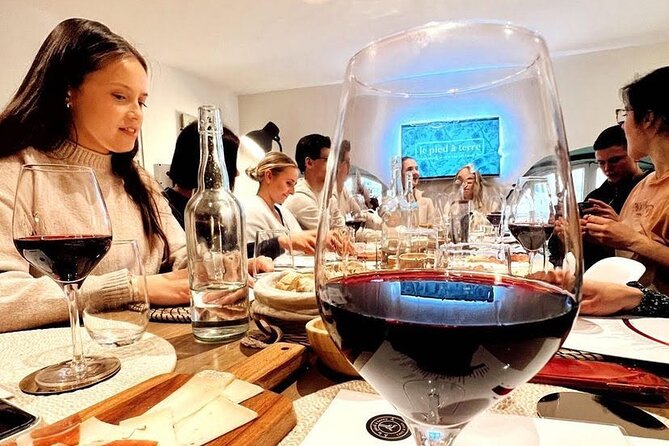
Each glass is tasting size, not a generous restaurant pour. That is sensible for a lesson, since you need to pay attention to three wines in a fairly short period. The small servings also leave room for the food and for conversation without turning the session into a heavy afternoon of drinking.
The guide explains how the wines relate to their appellations and grapes. This is particularly useful in Bordeaux, where the name of the place on the label can tell you as much as the grape variety. If you usually shop by grape alone, this lesson helps you understand why Bordeaux labels require a different approach.
Bread, cheese, and Basque charcuterie
The food is modest but well chosen. The listed starter is charcuterie and cheese from the Basque Country, with products from Maison Pierre Oteiza. Bread, cheese, and ham are served alongside the wines.
This is not a full meal, so plan to eat before or after if you need lunch or dinner. Still, the pairing matters. Salty ham, creamy cheese, and bread give you something to taste between wines and show how food can change the way a wine feels.
I prefer this sort of simple pairing to a large spread that distracts from the lesson. The food supports the tasting without pretending to be the main event. It also adds a local French touch, since Basque products bring a different regional identity to a Bordeaux wine session.
Vegetarians and vegans can be accommodated if you tell the provider ahead of time. The supplied information does not specify the replacement foods, so contact Le Pied à Terre before arrival if this matters to you.
Same grapes, a different estate to taste:
- Medoc Region Wine Day Trip with Vineyard Visits & Tastings from Bordeaux
★ 4.5 · 293 reviews - Médoc Region Half-Day Wine Tour with Winery Visit & Tastings from Bordeaux
★ 4.5 · 211 reviews - Bordeaux: St-Emilion Vineyards e-Bike Tour with Wine & Lunch
★ 4.9 · 181 reviews - Bordeaux: Médoc & St-Emilion Wine 3 châteaux with lunch
★ 4.9 · 116 reviews
Roman stories and Bordeaux’s wine rules
The session does more than explain what is in your glass. It also gives Bordeaux wine a historical frame, including stories reaching back to Roman times.
That historical layer helps explain why the region’s wine identity is so strong. You hear about the development of Bordeaux wine, the estates and producers, and the rules that govern regional labels. One especially useful subject is the certification and governance process that allows a producer to label a wine as coming from Bordeaux or a particular appellation.
For a first-time visitor, this can be more valuable than memorizing estate names. Bordeaux’s system can feel confusing because the bottle may emphasize a château, appellation, classification, or vintage rather than the grape. Understanding who sets the rules gives you a better chance of making sense of a wine shop shelf later.
The history is delivered as part of a lively class, not as a formal museum talk. That suits the setting. You are there to taste, ask questions, and enjoy the stories, with the history helping you understand the glass in front of you.
The Rue Judaïque setting and group size
The meeting point is Le Pied à Terre at 22 Rue Judaïque, 33000 Bordeaux. It is in an easy-to-find city location near public transportation, which makes this a practical choice if you are staying in central Bordeaux and do not want to spend half a day reaching a vineyard.
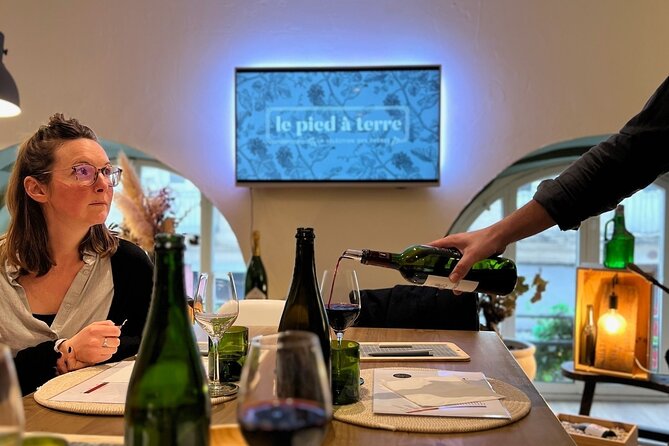
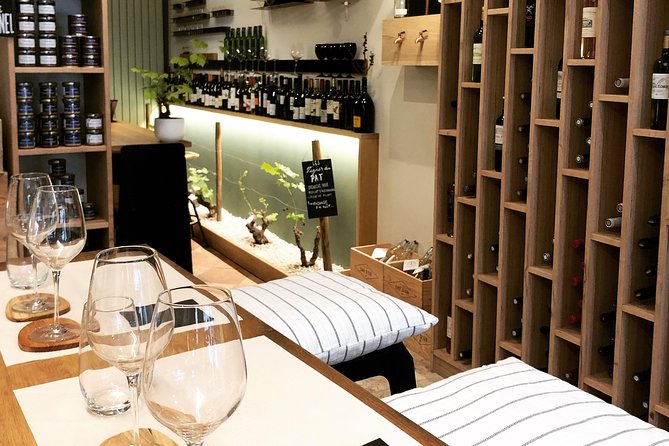
The tasting takes place in the shop’s cellar or upstairs tasting room rather than at a working château. The room has been described as attractive and comfortable, but you should be clear about what you are booking: this is an urban wine education experience, not a visit to vines, barrels, or estate buildings.
That is both a benefit and a limitation. You save travel time and get a focused lesson in the city. You do not see the vineyards that produce the wines, and you will not tour a particular estate.
The maximum group size is 12. That is small enough for direct questions and conversation, while large enough to meet other people. It can be a good fit for solo visitors because the tasting naturally brings a mixed group together. The experience has also suited families, couples, and people from several countries.
The activity ends back at the meeting point. Allow about 90 minutes based on the stated duration, but do not schedule a tight appointment immediately afterward. The presentation can run longer when the group is engaged, and one account describes the session as lasting closer to a couple of hours.
Price, timing, and what you receive
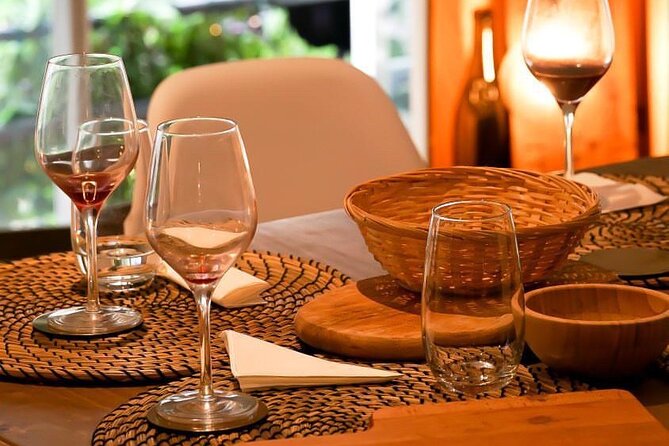
At $42.33 per person, the price sits in a reasonable range for a guided tasting in Bordeaux. You receive three tasting-size wines, instruction on tasting technique, an explanation of Bordeaux’s regional styles, producer and estate context, and a small food pairing.
The value is strongest if you want to understand what you are drinking. If you only want a quick sip of local wine, you may find the price less appealing. If you are considering a château tour later, this can give you a useful base so the estate visit makes more sense.
The tasting is offered in English, which is important for visitors who want to ask detailed questions rather than simply follow a scripted presentation. Confirmation is provided at booking, and free cancellation is available up to 24 hours before the start time. If you cancel later, the amount paid is not refunded, and changes inside that window are not accepted.
Pay close attention to the start time when booking. The stated material has included an 11 a.m. time, but the practical start has been given as 2:30 p.m. Since timing can affect a full day of sightseeing, confirm the exact hour before you commit.
Service animals are allowed, and the location is near public transportation. The activity requires a minimum number of people, so a cancellation for that reason results in an alternative date or experience, or a full refund.
Who will get the most from this tasting
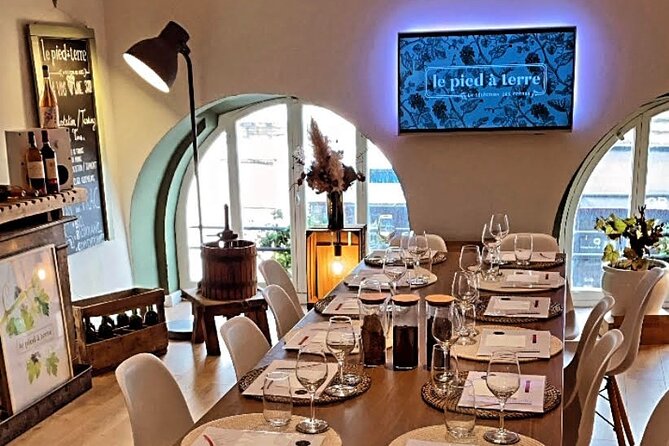
I would choose this for a first visit to Bordeaux, especially if you know the region by name but not by style. It gives you a working introduction without asking you to study a wine book before your trip.
It also suits beginners who feel uneasy at formal tastings. The hosts use humor, invite questions, and explain the basics without making the class feel pretentious. You can learn how to taste wine in a way that is useful at a restaurant, wine shop, or future château visit.
Intermediate wine drinkers may enjoy the classification, appellation, and producer discussion, along with the chance to compare the Left and Right banks in one sitting. The one caution is that the presentation can be conversational. If you want a highly structured seminar with precise technical detail, the informal style may feel a little loose.
This is also a good rainy-day or city-based activity. You get regional wine without arranging a car or committing to a full-day excursion outside Bordeaux.
What this experience does not include
You do not visit a vineyard, winery, or château. You do not walk among the vines or watch a production line. The session takes place at Le Pied à Terre in Bordeaux.
You also should not expect a full meal. The Basque charcuterie, cheese, and bread are a useful accompaniment, but they are presented as a small starter.
The wine selection is not guaranteed by named bottle. The focus is on three representative styles, and the specific producers can change. This is helpful if you want a broad introduction, but less suitable if you are seeking a particular château or vintage.
Should you book the Le Pied à Terre tasting?
Book it if you want a friendly, English-language introduction to Bordeaux wine with real teaching behind it. The strongest features are the clear three-wine comparison, the practical tasting advice, the Roman and regional history, and the chance to ask questions in a small group.
Skip it if your priority is seeing vineyards or touring a château. In that case, choose a countryside wine excursion instead, or use this class as preparation for one.
For $42.33, I see good value for anyone who wants to leave Bordeaux better able to understand its wines. Just confirm the start time, expect a shop-based tasting rather than a vineyard visit, and tell the provider in advance about vegetarian or vegan food needs.
FAQ
Where does the Bordeaux wine tasting start?
It starts at Le Pied à Terre, 22 Rue Judaïque, 33000 Bordeaux, France.
Where does the experience end?
The activity ends back at the meeting point.
How long does the tasting last?
The stated duration is approximately 1 hour and 30 minutes. The session may run longer when discussion continues.
How many wines are included?
The tasting includes three Bordeaux wines: a powerful Left Bank red, an elegant Right Bank red, and a dry white.
Is the experience offered in English?
Yes. The experience is offered in English.
What food is served?
The listed starter is Basque Country charcuterie and cheese from Maison Pierre Oteiza, with bread also provided.
How large is the group?
The activity has a maximum of 12 travelers.
Can I cancel for a full refund?
Yes. You can cancel at least 24 hours before the local start time for a full refund. Cancellations or changes made less than 24 hours before the start time are not refunded or accepted.
Newly reviewed vineyards around Bordeaux
- Half-Day Guided Wine Tasting Tour in Bordeaux Vineyards★ 5.0 · 15 reviews
- Private tour in the Sauternes wine region – discover Bordeaux sweet Crus Classés★ 5.0 · 7 reviews
- 3H private city tour of Bordeaux and vineyard in a Citroën DS★ 5.0 · 4 reviews
- Private 2cv tour in the vineyards and Wine tasting★ 5.0 · 14 reviews
- Private tour in the prestigious Médoc wine region★ 5.0 · 7 reviews
- Visit Saint-Emilion and Pomerol:Vineyards, lunch and tastings included★ 5.0 · 10 reviews
- 2 in 1 – Visit of Bordeaux and excursion in a vineyard★ 5.0 · 12 reviews
- From Bordeaux: Médoc Vineyard and Chateau Tour by Sidecar★ 4.6 · 8 reviews
Bordeaux Vineyard Tours, compared.
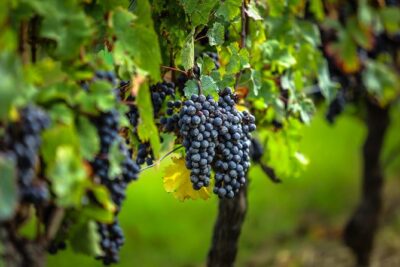
Saint Emilion Half-Day Trip with Wine Tasting & Winery Visit from Bordeaux
Read our review →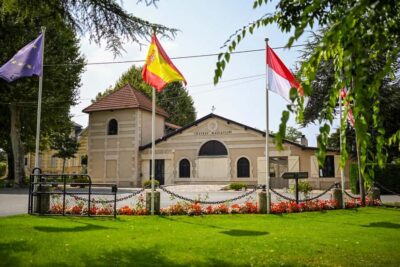
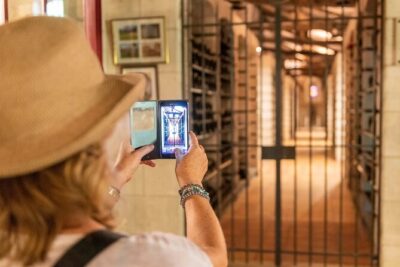
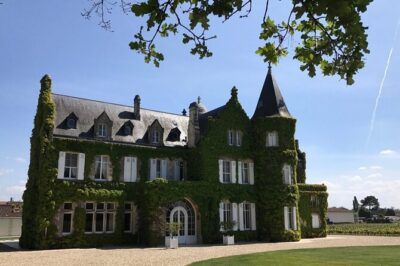
Medoc Region Wine Day Trip with Vineyard Visits & Tastings from Bordeaux
Read our review →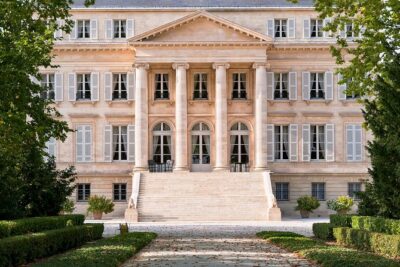
Médoc Region Half-Day Wine Tour with Winery Visit & Tastings from Bordeaux
Read our review →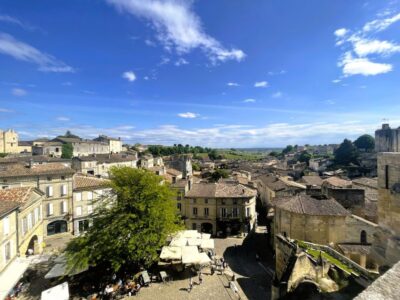
Bordeaux: St-Emilion Vineyards e-Bike Tour with Wine & Lunch
Read our review →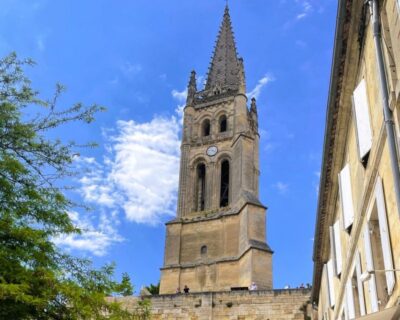
Bordeaux: Médoc & St-Emilion Wine 3 châteaux with lunch
Read our review →
Château Olivier: One Hour Vineyard Tour with Wine Tasting
Read our review →Lists this tour appears in