Review · BILBAO
Mastering The Rioja Wine Region with a Sommelier (With Cheese Pairings)
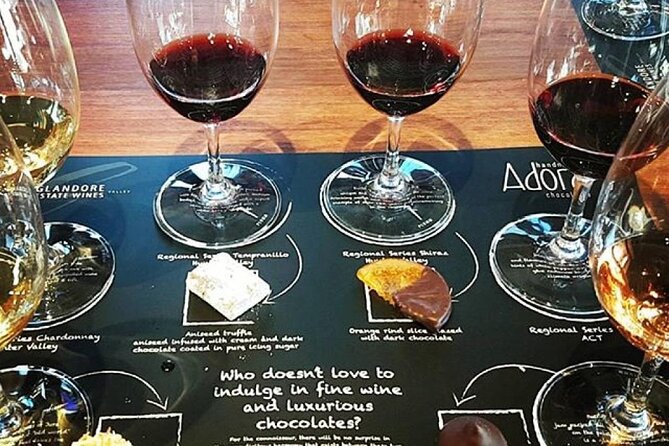
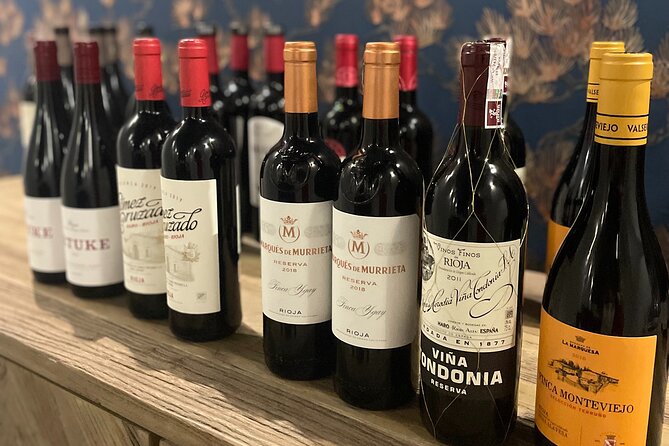
Rioja takes center stage here, but the best part is the way Irene connects each glass to the grape, ageing rules, and the small family winery behind it. You taste five wines with local cheeses while learning why Rioja is much more than Tempranillo.
I like the small group limit of 12, which should leave room for questions, and the useful focus on Crianza, Reserva, and Gran Reserva. I also like that the wines come from boutique family wineries rather than being chosen only for famous labels. The main consideration is time: 90 minutes gives you a focused introduction, not a full day among Rioja’s vineyards.
Key points to know before booking
- Five Rioja wines are served, each paired with local cheese.
- Sommelier Irene leads the tasting, with a warm, enthusiastic teaching style.
- The lesson goes beyond Tempranillo, covering authorised Rioja grape varieties.
- Crianza, Reserva, and Gran Reserva are explained through Rioja’s ageing requirements.
- Small family wineries supply the wines, adding a more personal angle than a basic label tasting.
- The 11:30 am session lasts about 90 minutes at Salbe pl. 6 in Bilbao, with a maximum of 12 people.
Why this Bilbao tasting is about more than five glasses
A Rioja tasting can easily become a parade of glasses and names. This one aims to give you a working map of the region. You learn what Rioja DOCa means, which grapes are permitted, and how ageing categories affect the wine in your glass.
That matters because Rioja labels can seem simple until you try to compare them. A Crianza, Reserva, and Gran Reserva are not just different price points. Their names relate to ageing requirements, and that ageing changes the texture, aroma, and general feel of the wine.
The tasting also widens the usual Rioja conversation. Tempranillo is the famous grape, but the authorised varieties include more than Tempranillo. You will hear about that broader set of grapes and get a better sense of how Rioja producers can shape their wines.
I like this teaching angle because it gives you something useful after the tasting ends. You may not remember every grape name, but you should feel more comfortable reading a Rioja menu or choosing a bottle in a shop.
More Wine Country Day Trips in Spain
- From Fuerteventura: Lanzarote Volcano and Wine Region Tour
★ 4.4 · 1,220 reviews - Lanzarote Volcano and Wine Region Tour from Fuerteventura
★ 4.5 · 264 reviews - Sun and Wine Route – Small group, wine tasting and tapas included
★ 5.0 · 87 reviews
Starting at Salbe pl. 6 at 11:30 am
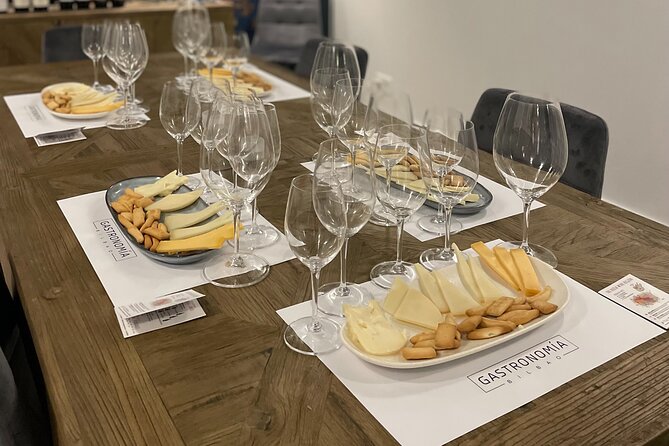
The meeting point is Salbe pl. 6, 48007 Bilbao, at the wine bar and tasting room operated by Gastronomía Bilbao. The activity begins at 11:30 am and finishes back at the same location.
That central setup keeps the outing simple. You do not need to arrange a transfer to the Rioja wine region or spend a day on a coach. Instead, you can fit the tasting into a Bilbao morning and continue with the rest of your plans afterward.
The exact sequence of the pours is not specified, so I would not expect a rigid, highly staged itinerary. The core format is clear: five Rioja wines, cheese pairings, and explanation from the sommelier. The setting is designed for tasting and conversation rather than sightseeing.
You should allow enough time to find Salbe pl. 6 and arrive ready for the 11:30 start. Since this is a small session, arriving late could mean missing the opening explanation about Rioja and its grapes.
A 90-minute lesson in Rioja DOCa
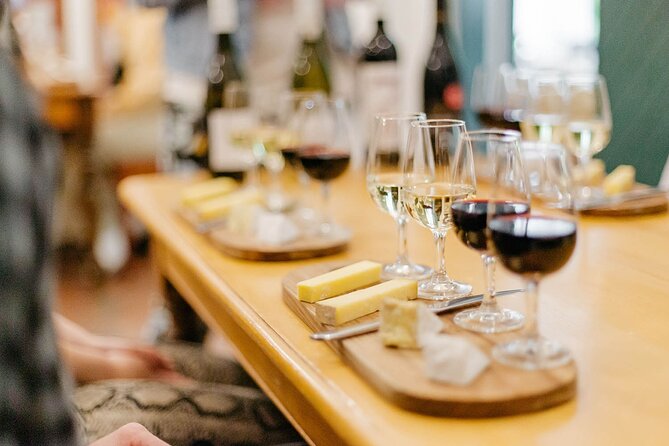
The tasting introduces Rioja DOCa, the official designation connected with wines from the Rioja region. You will learn why the designation matters and how Rioja’s rules help define the wines being presented.
The useful part is the connection between regulation and what you taste. Rather than treating official terms as dry paperwork, the sommelier explains how authorised grapes and ageing requirements affect the finished wine.
This is a good format for someone who knows a little about wine but still finds Spanish labels confusing. You can ask questions as the tasting moves along, and the maximum group size of 12 should make that easier than in a large public tasting.
At the same time, keep your expectations in check. The session is not a technical certification class, and 90 minutes cannot cover every village, soil type, producer, and vintage in Rioja. It is best viewed as a well-focused introduction with enough detail to sharpen your palate and your buying choices.
Five wines, five chances to compare
The heart of the activity is the chance to taste five top Rioja wines side by side with guidance. The wines come from small, family-run wineries with their own traditions and character.
That producer choice adds interest. A tasting built only around large commercial labels can teach you the broad style of a region, but smaller wineries can show how personal decisions shape a wine. You may notice differences in fruit, oak, structure, or age, then connect those differences to the explanation.
The supplied details do not identify the exact wineries, vintages, grape varieties, or pour sizes. That is worth noting if you are looking for a highly specific flight and want to research every bottle in advance. The appeal here is the guided comparison, not a published wine list.
You should also expect the wines to be selected for the session rather than chosen from a menu on the spot. That allows the sommelier to create a teaching sequence, though the exact order is not stated.
More Rioja and Ribera bodegas:
- From Bilbao: Rioja Wine Region with Winery & Vitoria-Gasteiz
★ 4.5 · 60 reviews - Rioja Wine Route with winery owner
★ 5.0 · 54 reviews - Full Day Tasting The Unknown Rioja Wine Region
★ 5.0 · 34 reviews - Rioja wine region with visit to winery & Vitoria-Gasteiz
★ 4.5 · 32 reviews
Cheese pairings that make the lesson practical
Each wine is paired with local cheese. This is more than a snack between pours. Cheese changes the way wine feels, so the pairing gives you a simple way to test the sommelier’s explanation.
A cheese can soften the impression of a wine, make its fruit seem fuller, or bring more attention to its acidity and finish. You do not need a trained palate to notice that food alters the drink. The pairing turns an abstract lesson into something you can taste immediately.
This is one of the strongest reasons to choose this session over a basic wine flight. You are not only hearing about Rioja style. You are seeing how the wine behaves at the table, where most people will actually drink it.
The cheeses are described as local, but their names and types are not provided. If you have an allergy or dietary restriction, contact the provider before booking rather than assuming substitutions are available.
Crianza, Reserva, and Gran Reserva explained
For many visitors, the ageing categories are the most useful part of the tasting. Crianza, Reserva, and Gran Reserva appear often on Rioja labels, yet the terms can be hard to remember without trying wines that show the differences.
The sommelier explains the separate ageing requirements and how that work transforms grapes into finished wine. That focus gives you a practical vocabulary for comparing bottles.
You may find that the lesson changes how you shop. Instead of treating Gran Reserva as automatically better, you can think about the style you want, the occasion, and the balance between fresh fruit and developed character. A younger wine may suit one meal, while a longer-aged bottle may offer a different feel.
The activity does not promise a particular vintage or a fixed example from each category, so you should not book expecting a guaranteed bottle-by-bottle comparison. Still, the categories are central to the teaching, and the five-wine format gives the sommelier room to show meaningful differences.
Why the small group matters
The group maximum is 12 people. That is small enough to make the session feel personal without making it a private tasting.
I value that limit because wine questions are often specific. You may want to know why one wine feels smoother, why a particular grape is used, or how a cheese changes the finish. In a large room, those questions can disappear. Here, you should have a better chance to ask them.
The setting also suits couples, friends, and solo visitors who want a social activity without committing to a full-day tour. You share the tasting room, but the time is short and the purpose is clear.
There is one trade-off. A group of up to 12 is not the same as a private appointment. The pace and discussion will be shaped by the other people present. If you want a quiet, highly personal tasting with unlimited time for individual questions, this may feel more structured than you prefer.
Irene’s warm teaching style
Irene is the sommelier named in the experience, and her approach is described as warm, inviting, and enthusiastic. That matters because wine education can quickly become too formal or full of jargon.
A good guide should help you feel comfortable admitting what you do not know. Irene’s role is not only to pour wine, but to explain the choices behind it and make the subject easier to approach.
The tone appears to suit people who enjoy wine but do not want a lecture. You can expect discussion of grapes, Rioja DOCa, ageing, and cheese, with the tasting providing examples as you go.
Gastronomía Bilbao’s team also presents the activity as a way to become more comfortable choosing Spanish wines. That broader aim is useful in Bilbao, where you may encounter Rioja alongside other wines from northern Spain, including Txakoli. The session is specifically about Rioja, so do not expect a full survey of Spain, but the skills should transfer to other wine lists.
Is $66.51 a fair price?
The listed price is $66.51 per person. That is not the cheapest way to drink five wines in Bilbao, but the comparison is not really five glasses versus five glasses.
The price includes the sommelier’s instruction, five selected Rioja wines, local cheese pairings, and use of a dedicated wine bar and tasting room. You are paying for the selection and explanation as much as for the liquid itself.
I see the value most clearly if you are interested in Spanish wine and want help choosing bottles later. A casual drinker who simply wants a glass with a snack may find the price high. Someone who would otherwise book a longer wine excursion may see this as an efficient alternative.
The city setting also keeps the cost and time commitment more contained than a full trip into the Rioja region. You will not get vineyard views, cellar visits, or rural transport, but you also avoid giving up most of a day.
For a serious wine enthusiast, the missing details about specific producers and vintages may make the price harder to judge in advance. For a visitor who values a small group and clear instruction, the combination looks reasonable.
Who should book this tasting?
I would choose this for anyone who wants a useful introduction to Rioja without leaving Bilbao. It suits first-time visitors, couples, solo wine lovers, and people who enjoy local food as much as the wine itself.
It is especially helpful if you have seen Crianza or Reserva on a menu but never felt sure what the terms meant. The tasting also fits you if Tempranillo is the only Rioja grape you know and you want a wider view.
The format may be less suitable if you want vineyard scenery, a rural winery visit, or a long meal. Nothing in the provided details suggests transport outside Bilbao or a full food menu beyond the cheese pairings.
You should also consider the morning timing. The 11:30 am start is convenient if you want to keep your afternoon open, but it may not suit you if you prefer wine tastings later in the day.
Booking confirmation is provided at the time of booking. Service animals are allowed, the location is near public transportation, and most people can participate. Free cancellation is available if you cancel at least 24 hours before the local start time. A cancellation made less than 24 hours before the session is not refunded, and the minimum-group rule means the provider may offer another date or a full refund if the activity cannot run.
The main strengths and limits
The strongest feature is the combination of clear instruction and direct comparison. Five wines give you enough range to notice differences, while the sommelier keeps the subject connected to what is in your glass.
The cheese pairings are another real advantage. They make the session feel tied to eating and drinking in Spain, not just memorising wine terms.
I also like the focus on small family wineries. It gives the tasting a human angle and may introduce you to producers you would not encounter through the most obvious Rioja brands.
The limits are just as clear. You are not visiting Rioja itself. You are not promised a particular vintage, winery, cheese selection, or exact tasting order. The experience is short, and its success depends partly on how much you enjoy an educational tasting-room format.
Should you book it?
Book this tasting if you want five Rioja wines, local cheese, and a useful lesson in a compact 90-minute session in Bilbao. Irene’s friendly style, the small group size, and the focus on grapes and ageing make it a strong pick for curious drinkers who want more than a quick pour.
Skip it if your main goal is to see vineyards or spend a full day at wineries in the Rioja region. For everyone else, the $66.51 price is easiest to justify when you treat the tasting as both a meal-side pleasure and a practical Spanish wine class.
FAQ
Where does the Rioja wine tasting begin?
It begins at Salbe pl. 6, 48007 Bilbao, Bizkaia, Spain.
What time does the activity start?
The tasting starts at 11:30 am.
How long does the experience last?
It lasts approximately 1 hour and 30 minutes.
Where does the activity finish?
It finishes back at the meeting point.
How many wines are included?
The experience includes five Rioja wines.
Are food pairings included?
Yes. The wines are paired with local cheeses.
Is the activity offered in English?
Yes. English is listed as the available language.
What does the tasting teach?
It covers Rioja DOCa, authorised grape varieties beyond Tempranillo, and the ageing requirements for Crianza, Reserva, and Gran Reserva wines.
How large is the group?
The activity has a maximum of 12 people.
Can I cancel for a full refund?
Yes, if you cancel at least 24 hours before the local start time. Cancellations made less than 24 hours before the start are not refunded.
Wine and cheese pairings around Spain
- Rías Baixas Albariño Experience: Winery Visit & Cheese
★ 5.0 · 3 reviews - Queenstown Classic Wine Tour: 3 Winery Visits, Cave Tour & Cheese
★ 5.0 · 207 reviews - Santiago de Querétaro: Pueblos Mágicos Cheese and Wine Route
★ 4.8 · 96 reviews - Cheese and Wine Route with 2 Towns, starting from Querétaro
★ 5.0 · 27 reviews
Newly reviewed vineyards around Spain
- Xalo: Vineyard Tour with Wine Tasting and Snacks★ 4.9 · 8 reviews
- Winery Visit and Tasting in Elche with wines and tapas from Alicante in Van★ 5.0 · 9 reviews
- Wine Route with 3 Tastings & Castillo La Mola: Small Group★ 4.9 · 31 reviews
- Valencia: Premium Wine Tasting & 3-Course Gastronomic Lunch★ 4.8 · 2 reviews
- Valencia: Vineyard Tour, Local Wine, Cava Tasting & Snacks★ 5.0 · 8 reviews
- Requena Somm. Private Vineyards/ Premium Wine tasting 1/2 Day★ 5.0 · 5 reviews
- Visit to Arafo Mountain Vineyard and Organic Wine Tasting★ 5.0 · 23 reviews
- Full Day Tasting The Unknown Rioja Wine Region★ 5.0 · 34 reviews
Bilbao Vineyard Tours, compared.
From Bilbao: Rioja Wine Region with Winery & Vitoria-Gasteiz
Read our review →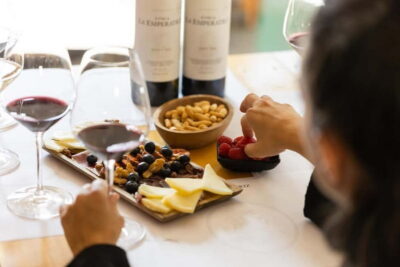
From Bilbao: La Rioja a journey to the vineyards & tradition
Read our review →
San Sebastian Private Tour, Pintxos & Winery Visit from Bilbao
Read our review →