
Review · TEMECULA
Temecula Wine Country Stargazing Tour
The best part of this Temecula experience is its clear progression through the night sky. You start close to home with the Moon, move outward to planets, then finish with nebulae, star clusters, and galaxies. Guide Mike also uses a smart telescope to show how modern equipment creates detailed space images.
I like the small six-person limit, which gives you a better chance to ask questions and handle the equipment. I also like the mix of a regular visual telescope and a smart telescope, since you get both the direct view and a look at electronic astrophotography.
The main thing to consider is the short length. At about one hour, this is a focused introduction rather than a long evening under the stars. Start times also shift with the seasons, and cloud or poor weather can cancel the outing.
Key points
- The Moon comes first: You’ll view it with both your eyes and the telescope, with hands-on time for everyone.
- The sky changes with the calendar: Planets and deep-sky objects depend on the season and lunar cycle.
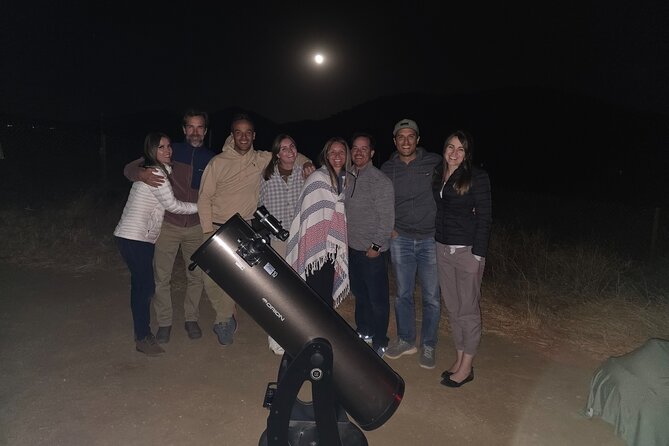
- Mike keeps the group personal: The maximum group size is six, useful when you have questions or want time with the equipment.
- Smart-scope photography is part of the lesson: You’ll see how electronic telescopes produce detailed astronomical images.
- The tour begins after sunset: Usual start times are about 6:30 p.m. in winter, 7:30 p.m. in spring and fall, and 8:30 p.m. in summer.
- You need your own way there: Transportation is not included, and the meeting point is on Rancho California Road in Temecula.
Starting with the Moon in Temecula
This tour begins near Rancho California Road in Temecula, usually about an hour after sunset. The exact time changes with the season, so check your confirmation carefully rather than planning around a fixed departure hour.
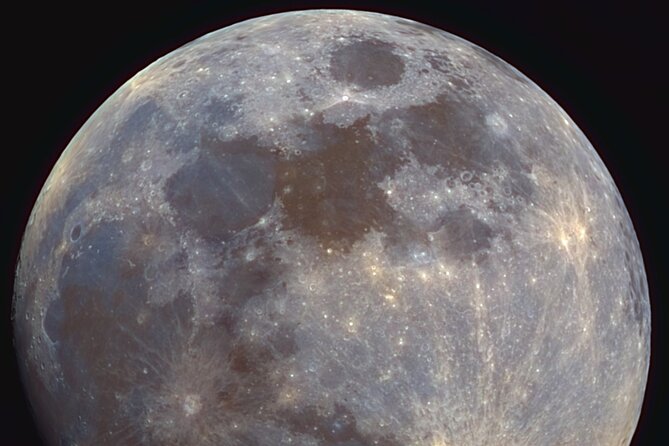
The first target is normally the Moon. That is a smart way to begin because the Moon is familiar, bright, and easy to appreciate even if you know little about astronomy. You’ll first view it directly, then use the telescope for a closer look. The format gives everyone hands-on time instead of leaving the equipment only in the guide’s hands.
The Moon also makes a useful lesson in how telescope viewing works. You can compare what you see with your unaided eyes and what appears through the instrument. Depending on the lunar cycle, the visible features will change, so a crescent Moon offers a different view from a nearly full one.
The lunar phase matters here. A bright full Moon can be impressive, but its light can make faint galaxies and nebulae harder to see. A darker night may offer better conditions for those distant targets. Since the route through the sky varies with the lunar cycle, no two dates promise exactly the same program.
More Wine Country Day Trips in the USA
- Napa and Sonoma Wine Country Full-Day Tour from San Francisco
★ 4.5 · 4,455 reviews - San Francisco Super Saver: Muir Woods & Wine Country w/ optional Gourmet Lunch
★ 4.5 · 3,352 reviews - Small-Group Wine Country Tour from San Francisco with Tastings
★ 5.0 · 1,543 reviews
From planets to distant galaxies
After the Moon, Mike turns the equipment toward planets that happen to be visible. This is one place where the tour cannot promise a particular object. The available planets depend on the date, time, and position of the night sky.
That changing lineup is part of the charm, but it also means you should not book expecting one specific planet unless the operator confirms it for your date. The program is built around what is actually above Temecula that evening.
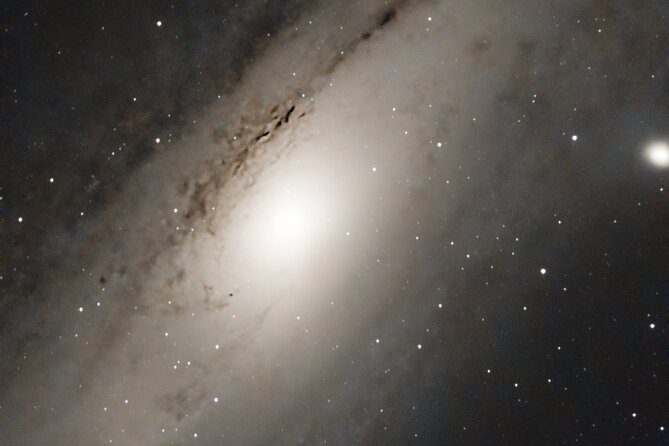
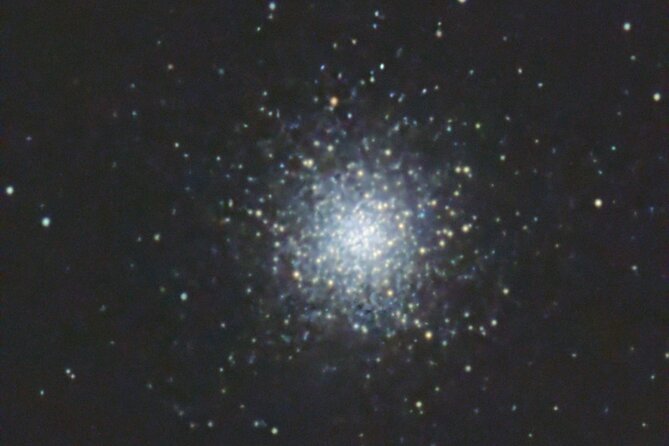
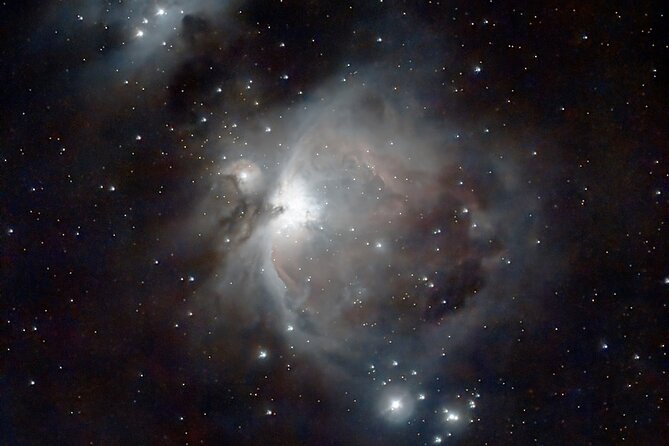
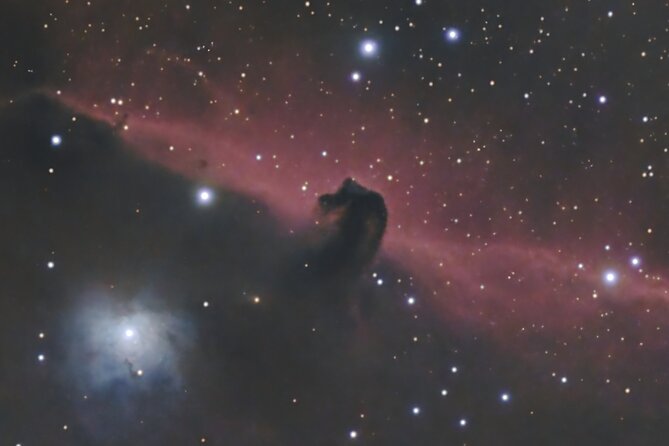
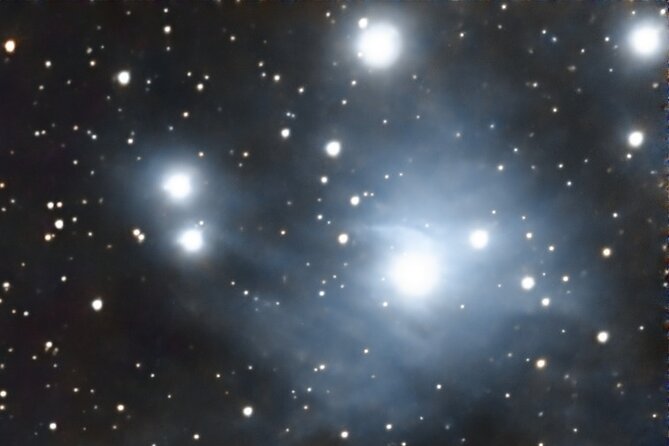
The final part reaches farther into space, with views of nebulae, star clusters, and galaxies. These objects are very different from the Moon. Some appear as compact groups of stars, while others may look like hazy patches or faint shapes through the telescope.
The visual result can vary with weather, moonlight, and the equipment. Do not expect every distant object to look like a polished space-agency photograph through the visual telescope. The value is in seeing these objects directly and learning what you are looking at.
That is where the smart telescope adds something useful. Mike uses it to introduce astrophotography and show how advanced telescopes gather images that reveal far more detail than a quick glance through an eyepiece. You get a simple explanation of the gap between live visual viewing and electronically assembled images.
What the two telescopes add
The included visual telescope is the traditional part of the experience. You look through it and see the sky in real time. This keeps the activity connected to the basic pleasure of stargazing: finding an object, focusing on it, and sharing the view with the people beside you.
The smart telescope works differently. It helps demonstrate how modern equipment can collect and process light to create detailed images. For anyone curious about astrophotography, this is more useful than simply being shown a finished picture with no explanation.
I like the contrast between the two systems. The visual telescope gives you the direct experience, while the smart telescope explains why professional-looking images can show colors and details that your eye cannot detect in a brief view.
The small group matters here. With no more than six people, you should have a better chance of seeing through the equipment and asking follow-up questions. The two available comments about the experience both highlight Mike’s patience and willingness to answer questions, so this suits people who want an educational evening rather than a silent look at the stars.
A one-hour format with little wasted time
At around one hour, the tour is easy to fit into a night in Temecula. You can plan it around dinner or another evening activity without giving up half the night.
The short format is also the main limitation. If you want a long period for photography, repeated views through the telescope, or a slow lesson in constellations, one hour may feel brief. The program has several stages to cover: the Moon, planets, deep-sky objects, and the smart-scope demonstration.
The advantage is focus. You are unlikely to spend the whole evening waiting for the next target. The guide can move from near to far and keep the session moving, while still leaving room for questions.
Camp chairs are included, which is a small but welcome detail. You will not need to stand for the entire session. Some walking over uneven ground is required, however, so wear footwear that feels steady and be prepared for a simple outdoor setup rather than a paved observatory floor.
Same grapes, a different estate to taste:
- San Francisco: Half-Day Wine Country Excursion with Tastings
★ 4.3 · 409 reviews - Malibu: Guided Vineyard Hike with Photo Stops and Wine
★ 5.0 · 391 reviews - Painted Ladies Wine Country Tour
★ 5.0 · 372 reviews - Sonoma Wine Country Electric Trike Tour – 3 hours
★ 5.0 · 331 reviews
Choosing the right season and start time
The schedule shifts noticeably during the year:
- Winter tours normally begin around 6:30 p.m.
- Spring tours normally begin around 7:30 p.m.
- Summer tours normally begin around 8:30 p.m.
- Fall tours normally begin around 7:30 p.m.
These are approximate times. The stated plan is to begin about one hour after sunset, so the exact departure may change.
Winter is the easiest choice if you prefer an earlier evening. Summer starts late, but that timing gives the sky more time to become fully dark. Families with young children should pay close attention to the summer start time, since 8:30 p.m. can make a one-hour activity feel later than expected.
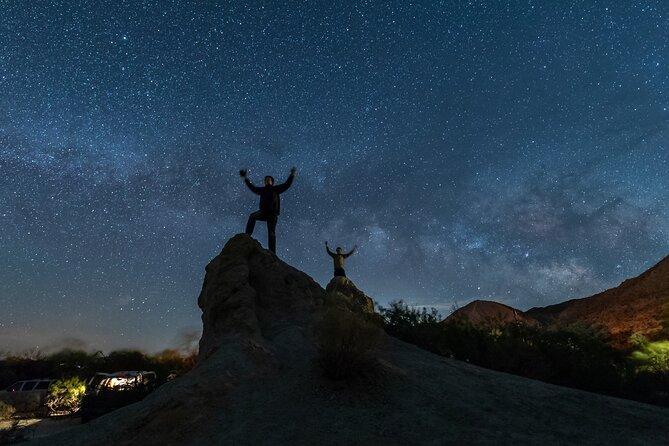
The lunar cycle also affects the night. A brighter Moon may be the star of the program, while a darker sky can help with faint deep-sky objects. The tour’s variety changes throughout the year and with the Moon, so the experience is best approached as a live night-sky program rather than a fixed list of targets.
Is $75 a fair price?
The cost is $75 per person. For an hour-long outing, that is not the cheapest way to spend an evening, so the value depends on what you want from it.
You are paying for more than a look through one telescope. The price includes a visual telescope, a smart telescope, camp chairs, a guide-led explanation, and a group limited to six people. The hands-on access and small size help justify the cost for someone who wants personal attention.
The price is less compelling if you only want a quick glimpse of the Moon or if you already own astronomy equipment and know how to use it. It is also worth remembering that transportation is not included. You must arrange your own way to the Rancho California Road meeting point and return there at the end.
For a first introduction to astronomy, I think the small-group structure is the strongest part of the value. You are not paying for a large crowd or a passive presentation. You are paying for a short guided session where questions, equipment, and changing sky conditions shape the evening.
Who will enjoy this most
This is a good match for couples, families, and small groups of friends who want a calm evening activity in Temecula. It also works well for beginners who are curious about astronomy but do not know what to look for.
Children can participate because most people can take part, but the late seasonal start times and uneven ground are worth considering. The tour is not presented as a children’s program, so younger children may need help staying engaged during the more technical parts.
The experience should appeal to anyone interested in astrophotography. The smart telescope demonstration gives you a basic view of how advanced telescopes produce impressive images. You will not become an astrophotographer in one hour, but you will leave with a clearer idea of why those images look so different from ordinary visual viewing.
It is also a good fit if you value questions and conversation. Mike’s patience is a repeated strength in the available feedback, and that matters more in a small astronomy tour than a long speech packed with facts.
Practical details before you book
The activity begins and ends at the meeting point on Rancho California Road in Temecula. Private transportation is not included, so plan that part yourself.
You receive confirmation at booking. Mobile tickets are supported, and the tour is offered in English. Service animals are allowed, and most people can participate, though some walking over uneven terrain is part of the activity.
Weather is important. If poor conditions force a cancellation, you can choose another date or receive a full refund. The experience also requires a minimum number of participants, so a cancellation for that reason brings the same choice of another date or a full refund.
You can cancel for a full refund up to 24 hours before the start time. Inside that 24-hour window, refunds are not available, and changes are not accepted. The cut-off follows local Temecula time.
Because the start time changes through the year, confirm the exact hour before setting dinner plans. Arriving at the right meeting point is especially important for a short tour, since a late arrival could take up a large share of the session.
Should you book the Temecula stargazing tour?
Book it if you want a personal, beginner-friendly introduction to the night sky, especially if the idea of comparing a visual telescope with a smart telescope appeals to you. The six-person limit, camp chairs, hands-on viewing, and patient guide Mike give this short outing a friendly scale.
Think twice if you want a full-night astronomy session, a guaranteed view of a particular planet, or a fixed schedule. The program changes with the season and lunar cycle, the start time can be late, and clouds can cancel the evening.
For most people, the best reason to book is the combination of direct viewing and clear explanation. You begin with the Moon, move through whatever planets are available, and finish by seeing how modern equipment records distant objects. At $75, it is a focused splurge, but a sensible one for an evening that leaves you looking up with more purpose.
FAQ
Where does the Temecula Wine Country Stargazing Tour meet?
The meeting point is on Rancho California Road in Temecula, California. The activity ends back at the same meeting point.
How long does the stargazing tour last?
The tour lasts about one hour.
What time does the tour start?
The start time normally falls about one hour after sunset. Usual approximate times are 6:30 p.m. in winter, 7:30 p.m. in spring and fall, and 8:30 p.m. in summer.
What will I see through the telescopes?
The program normally begins with the Moon, then moves to any planets available that night, followed by deep-sky objects such as nebulae, star clusters, and galaxies. The exact viewing lineup changes with the season and lunar cycle.
Are telescopes and seating included?
Yes. A visual telescope, a smart telescope, and camp chairs are included.
How many people can join the tour?
The activity has a maximum of six participants.
What happens if the weather is poor?
If poor weather causes a cancellation, you will be offered another date or a full refund. The same choice applies if the minimum number of participants is not met.
Newly reviewed vineyards around the USA
- Yolo: Vineyards, Farms & Cultural Gems – Audio Driving Tour★ 4.3 · 5 reviews
- Woodinville Wine Country: Downtown Wine Tasting Pass★ 4.4 · 2 reviews
- Sedona: Visit 4 Award Winning Vineyards in the Verde Valley★ 4.7 · 18 reviews
- Washington, DC: Virginia Wine Region Experience Tour★ 5.0 · 4 reviews
- Small-Group Vineyard and Orchard Tour with Wine Tasting in Muscoda★ 5.0 · 2 reviews
- A Wine Tasting Experience in the Vineyards of the Desert★ 5.0 · 29 reviews
- Half-Day Arizona Wine Country Tasting Tour★ 5.0 · 5 reviews
- Private Day Trip to Missouri Wine Country★ 5.0 · 3 reviews
Temecula Vineyard Tours, compared.
Weekday Wine Tour Special +Local Pick-up in Temecula Wine Country
Read our review →
Private VW Bus Wine Tour Temecula – Retro Cali Vibes
Read our review →Lists this tour appears in