
Review · VERONA
Verona: Montresor Winery Visit with Wine Tasting and Snacks
Montresor Winery turns a wine tasting into a short trip through Verona’s past. You start in a museum filled with old tools and family history, then move through the aroma room and barrel cellar before sitting down with a sommelier. The star is the Valpolicella tasting, which can include Amarone Riserva, but white-wine drinkers have a good option too.
I like the interactive aroma quiz, because it gives you something useful to do instead of simply holding a glass and listening. I also like the clear sense of place, from Verona’s late-1800s story to the appassimento process that gives Amarone its character.
The main consideration is location. The winery is easy to reach by bus, taxi, or car, but it is not in the historic center. Also, the food pairing needs checking when you book: the stated inclusions list bread, olive oil, salami, and cheese, while some past visits received only breadsticks.
Key points at a glance
- Two tasting routes: Choose five Valpolicella reds, possibly reaching Amarone Riserva, or four fresh whites from Lake Garda.
- A museum before the wine: Original tools and family artifacts connect Montresor’s work to Verona’s modern history.
- A useful sensory test: In the aroma room, you try to identify scents found in the wines.
- A working cellar feel: Large casks, aging wines, drying grapes, and a full-wall historical mural give the tour visual substance.
- Good indoor plan: The controlled winery setting works well on a very hot or rainy day.
- Practical value: At $34 per person, the 90-minute visit includes the guided tour, tasting, snacks, and a discount on bottles.
Why Montresor is more than a quick tasting
Many winery visits begin and end with a few glasses at a table. Montresor gives you a fuller explanation of how the bottle got there. That matters in Verona, where Valpolicella and Amarone are not just names on a wine list. They are products of local grapes, drying methods, aging choices, and a long family connection to the area.
The experience lasts about 1.5 hours, which is long enough to add context without taking over your day. You can fit it between Verona’s Roman arena, riverside walks, and other city sights. The tour is conducted in English or Italian, and guides such as Emma, Leonardo, Silvia, and Emmanuele have led recent sessions.
The tone appears to be friendly rather than stiff. Emma has used a light quiz format, while Leonardo has handled cellar visits and tastings with detailed explanations. Silvia has also been praised for an engaging presentation. The guide can make a real difference here, since the experience depends as much on explanation as on the wine itself.
More Winery Tours in Italy
- Chianti Delights: A Tale Of Two Wineries With A Vineyard Dinner
★ 4.0 · 324 reviews - Private tour of Etna and Winery Visit with Food and Wine Tasting from Taormina
★ 5.0 · 221 reviews - Verona: Vineyard and Winery Tour with Wine Tasting
★ 4.8 · 112 reviews
Getting from Verona to the winery
Montresor sits just outside Verona’s historic center. From the Arena, a taxi is the simplest option. You can also take bus 21 or 93 from Castelvecchio Castle, with the bus stop near the winery. Parking is available on site, so a car works if you are exploring the wider Veneto region.
Allow extra time for the journey. One visit described the winery as about 15 minutes from central Verona by car or taxi, while another found the bus stop right outside. The exact travel time depends on traffic and your starting point, but this is not a place to squeeze between two appointments with no margin.
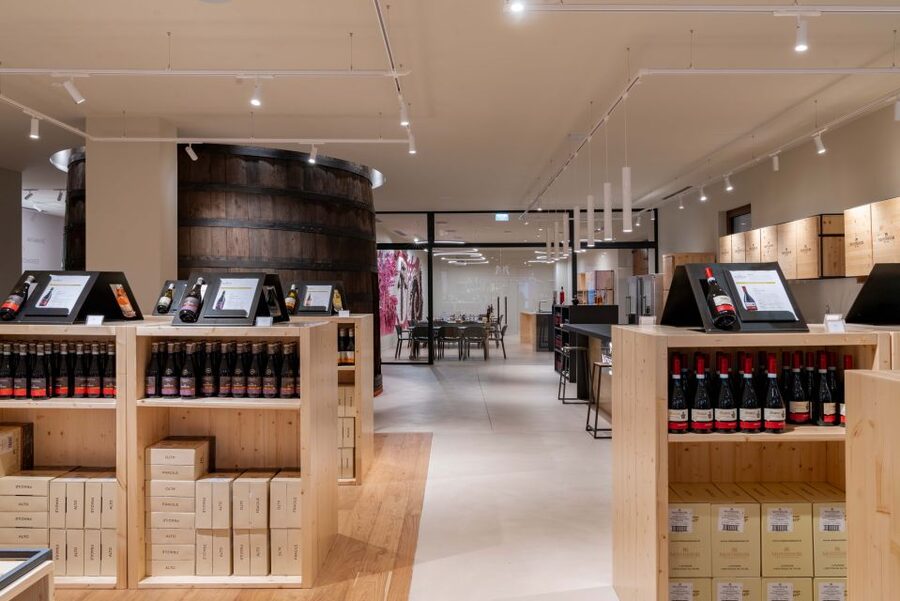
You meet your guide inside the Montresor winery. The shop and tour area have been renovated in a modern style, so do not expect a rustic farm estate hidden among vineyards. This is an urban winery visit with a polished exhibition space and production areas.
That setting has advantages. It is easy to reach, indoors, and comfortable in bad weather. The tradeoff is that you will not be walking through a broad countryside vineyard or seeing a rural wine estate. If your ideal wine day means hills, vines, and a long lunch outdoors, this experience offers something different.
The museum links Verona and Montresor
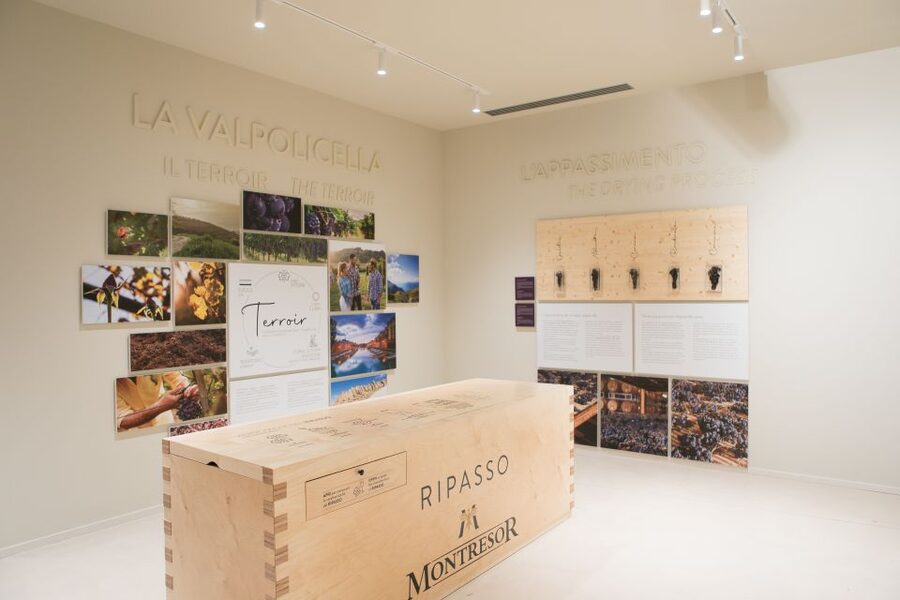
The first major stop is the winery museum. It traces Montresor from the late 1800s to the present, using original winemaking tools and displays about the family and company.
I like this part because it explains the winery as a living business rather than presenting wine as a collection of romantic images. You learn how the company kept its identity while adapting through major historical events. That background also gives the tasting more meaning. A bottle represents more than grape variety and alcohol level. It reflects decisions made across generations.
The museum has interactive touches, not just labels to read. One visitor found the displays so interesting that more time would have helped. That is worth noting if you enjoy museums: the 90-minute schedule keeps things moving, so you may not have unlimited time to inspect every panel.
You will also see examples of grapes at different stages, from harvest through drying. This prepares you for the later explanation of Amarone and makes the production process easier to picture.
Valpolicella, Ripasso, and Amarone explained
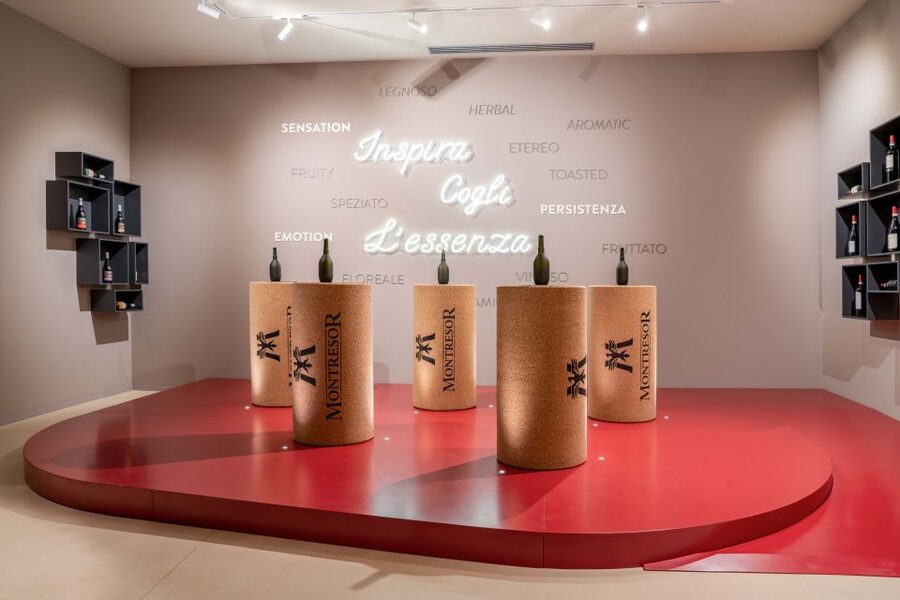
The red-wine route is the strongest choice for most people who want to understand Verona’s local wine identity. The tasting covers Valpolicella wines and explains the differences between Valpolicella Classico, Ripasso, and Amarone.
Valpolicella Classico is tied to the classic production area. Ripasso involves a further contact with dried grape skins, adding weight and character. Amarone takes the process further through appassimento, the controlled drying of grapes before fermentation. This concentrates the fruit and helps create the powerful style for which the region is known.
The tour shows grapes in several stages, which makes the explanation practical rather than abstract. In the cellar, you can see where the drying and aging processes fit into the larger operation.
The red option includes five glasses and can reach Amarone Riserva. That is a strong reason to choose it if you rarely order Amarone at home. The style is often expensive in restaurants and wine shops, so tasting it as part of a $34 experience adds good value.
The white route should not be treated as a second-rate choice. It features four wines from Lake Garda, described as fresh and elegant. Choose it if you prefer lighter wines or have already tasted plenty of Valpolicella. The two routes give you a genuine decision rather than a token alternative.
Same grapes, a different estate to taste:
- Half day Chianti Vineyard Escape from Florence with Wine Tastings
★ 4.5 · 2,196 reviews - Private Self-Guided E-Bike Ride in Tuscany with Vineyard Visit
★ 5.0 · 775 reviews - Florence: Chianti Wine Region Vespa or Fiat Topolino Tour
★ 4.8 · 739 reviews - From Venice: Prosecco Wine Region Tour with 2 Tastings
★ 5.0 · 374 reviews
The aroma room makes you work a little
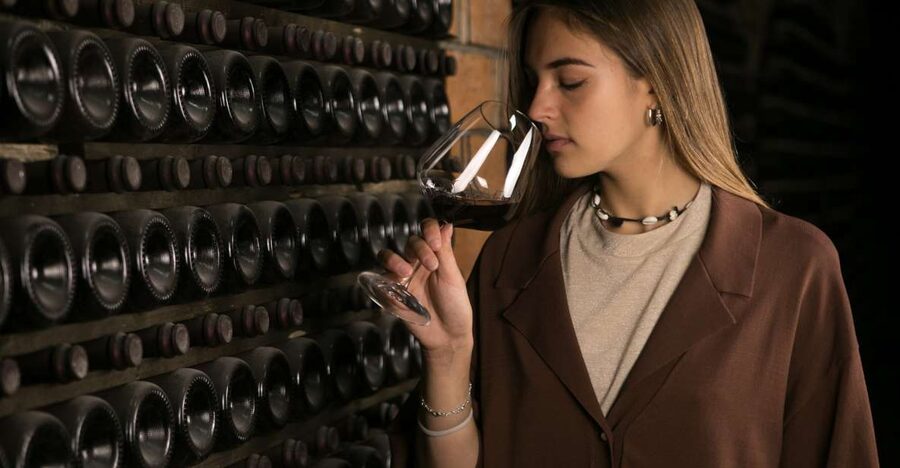
The sensory room is one of the most memorable parts of the visit. You try to identify aromas associated with the wines, often through a quiz led by the guide.
This is a smart addition. Wine vocabulary can feel vague when you only hear someone describe fruit, flowers, spice, or earth. Trying to recognize scents yourself makes the language easier to understand. You may not identify every aroma correctly, but that is part of the fun.
Emma has used the activity to get the group involved, and the format seems especially useful for first-time tasters. It also gives experienced wine drinkers something to think about beyond the basic question of whether they like a wine.
The room is not a substitute for formal wine training, and the 90-minute schedule does not allow for a long technical lesson. Still, it is a hands-on moment that breaks up the museum visit and helps you pay attention during the tasting.
The barrel room and the appassimento process
After the museum and sensory room, the tour moves toward the cellar. You pass beneath a historic barrel before entering the aging room, where large casks hold wine as it develops.
The room also shows the appassimento process. This is the key step behind Amarone, and seeing the drying grapes gives you a physical sense of how the wine begins. One visit included grapes actively drying, which made the production method particularly clear.
A full-wall historical mural adds drama to the space and ties the modern cellar to the winery’s past. It is a useful visual pause after the more information-heavy museum section.
Do not expect a long underground cellar walk or a tour of every production station. The visit is designed for a general audience, not for industry professionals. You get enough access to understand the main stages, while the guide fills in what you cannot see.
The tasting table: reds, whites, and snacks
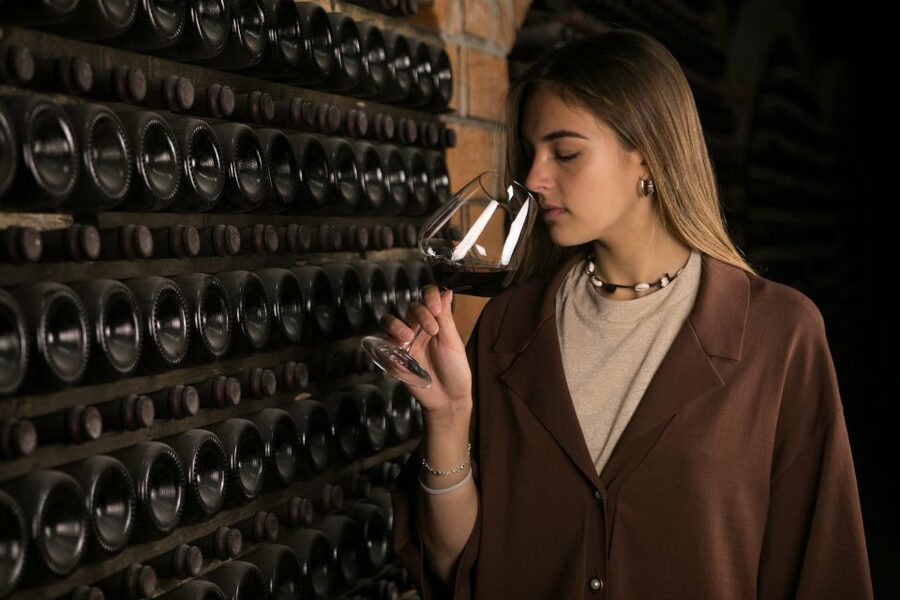
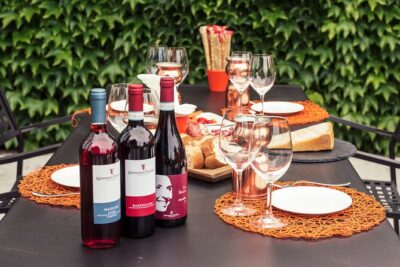
The final stage is the tasting room. A wine specialist guides you through the glasses, explaining the origin and style of each wine. The strongest sessions seem to combine technical detail with a relaxed sense of humor. That balance matters because a tasting can become tiring if every glass is treated like a lecture.
For the red option, expect five wines. The progression can lead from Valpolicella styles toward Amarone Riserva, giving you a chance to notice the increase in weight and intensity. The white option includes four Lake Garda wines with a fresher, more elegant profile.
Snacks are included to support the tasting. The activity details list bread, olive oil, soppressa salami, and cheese. However, at least two past visits received breadsticks instead of the meat and cheese pairing. If you are counting on a substantial snack, ask the winery what is currently served.
This is not a meal. Even when salami and cheese are available, think of the food as a small pairing rather than lunch. Vegans should skip this activity, and the experience is not suitable for children under 18. Pregnant visitors should also avoid it because the main feature is alcohol tasting.
Is $34 a fair price?
At $34, the price is reasonable for Verona. You receive a 90-minute guided museum and cellar visit, the aroma activity, a specialist-led tasting, snacks, and a discount on bottle purchases.
The value is best if you choose the red route and taste Amarone or Amarone Riserva. Buying a comparable pour separately can cost a good part of the tour price, especially outside Italy. The experience also gives you context that a bar tasting cannot provide.
The price is less compelling if you only want to sit down with a glass and leave quickly. You are paying for the museum, the production explanation, and the guide’s time. If you have no interest in how wine is made, a simple city wine bar may suit you better.
Bottle purchases are available after the visit, and the winery can ship bottles. One visitor received a shipment within several days, with a small customs fee paid online. Shipping rules vary by destination, so confirm the current cost and paperwork before buying a large quantity.
Timing, access, and who should book
The tour is guaranteed with at least two participants. It is not designed for unaccompanied minors, and minors must have an adult with them. The provider also notes that some parts may not be easy to access for people with reduced mobility or other disabilities.
The winery is indoors with controlled conditions, making it a sound choice during extreme heat or rain. One visit took place through both hot and wet weather, and the indoor setting proved useful. Severe storms or unexpected events can affect the activity, and a full refund is not guaranteed in every weather situation.
I would book this for:
- Wine drinkers who want to understand Amarone rather than simply taste it.
- Couples looking for a manageable activity near Verona.
- Visitors who enjoy museums, family stories, and production methods.
- Anyone seeking an indoor plan during poor weather.
- People who want to buy regional wine and arrange shipping home.
I would choose another activity if you want a countryside vineyard walk, a long food pairing, a child-friendly outing, or a fully accessible route. The tour is also not a fit for vegans, pregnant visitors, or anyone under 18.
Should you book Montresor Winery?
Yes, if you want a well-organized introduction to Valpolicella and Amarone within a short trip from Verona. The combination of museum, aroma quiz, barrel room, and guided tasting gives you more substance than a quick pour at a shop.
Choose the Valpolicella red route if Amarone is your main interest. Choose the Lake Garda whites if you prefer lighter wine or want a different side of the region. Leave time for transport, and confirm the snack selection if salami and cheese matter to you.
With a 4.6 rating from 217 ratings, a $34 price, and a compact 90-minute format, Montresor is a sensible addition to a Verona itinerary. It will not replace a full countryside wine day, but it gives you a useful, enjoyable look at local wine without sacrificing an entire afternoon.
FAQ
Where is Montresor Winery located?
The winery is just outside Verona’s historic center in Veneto, Italy. You meet your guide inside the Montresor winery.
How do I get to the winery from central Verona?
You can take a taxi from the Arena or use bus 21 or 93 from Castelvecchio Castle, opposite the castle entrance. Parking is available at the winery.
How long does the experience last?
The visit lasts about 1.5 hours.
Which languages are available?
The tour is available in English and Italian.
How many wines are included?
The Valpolicella red option includes five glasses. The Lake Garda white option includes four glasses.
What is included with the wine tasting?
The experience includes the wine museum, sensory room, wine specialist host, selected wine tasting, pairing snacks, and a discount on bottle purchases.
Can children join the tour?
Children under 18 are not suitable for this activity. Minors must be accompanied by an adult, and unaccompanied minors are not allowed.
Is the tour suitable for people with reduced mobility?
Some sections may not be easy to access for people with reduced mobility or other disabilities. Check with the provider before booking if accessibility is important for you.
Can I cancel or pay later?
You can cancel up to 24 hours in advance for a full refund. Reserve now and pay later is available, so you do not have to pay at the time of booking.
Newly reviewed vineyards around Italy
- Winery Visit & Tasting near Grosseto with 6 wines★ 4.8 · 6 reviews
- Winery Visit & Tasting on the Volcanic Slopes near Catania★ 5.0 · 2 reviews
- Winery Visit on Parma Hills & Wine Tasting with Food Platter★ 5.0 · 26 reviews
- Wine tasting under the Stars in the vineyards of Agrigento★ 5.0 · 3 reviews
- Wine tour and lunch or dinner at our vineyard★ 4.6 · 15 reviews
- Wine Tasting and Winery Visit near Asti and Turin★ 4.5 · 5 reviews
- Walk through our vineyard and aperitif★ 4.7 · 19 reviews
- Volterra: Aperivintage aperitif in vineyard whit a Fiat 500★ 5.0 · 7 reviews
Verona Vineyard Tours, compared.
Discover Valpolicella Vineyards and Wine Tasting Experience
Read our review →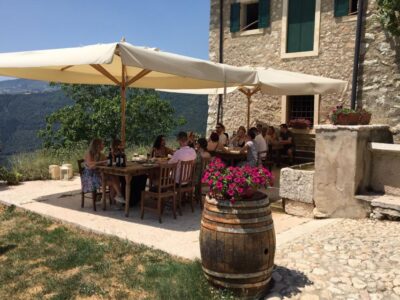
Verona: Vineyard and Winery Tour with Wine Tasting
Read our review →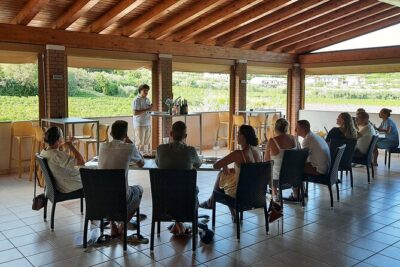
Bardolino: vineyard tour, wine, oil and food tasting
Read our review →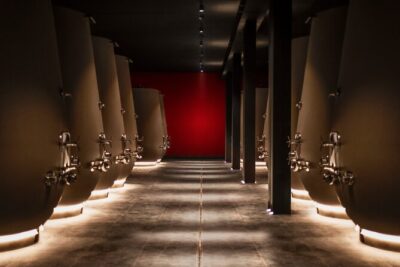
Vineyard tour and tasting of 6 Garda Wines with Giovanna Tantini
Read our review →
Horseback Riding with wine tasting in Lake Garda vineyards
Read our review →Lists this tour appears in