
Review · FRANCE
Wine Getaway with Tasting in the Chablis Vineyard
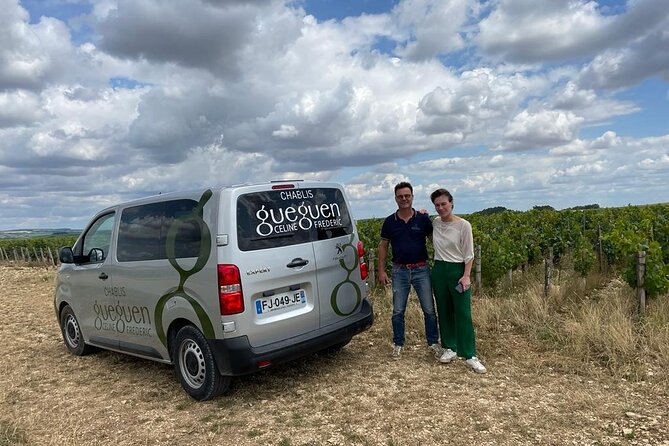
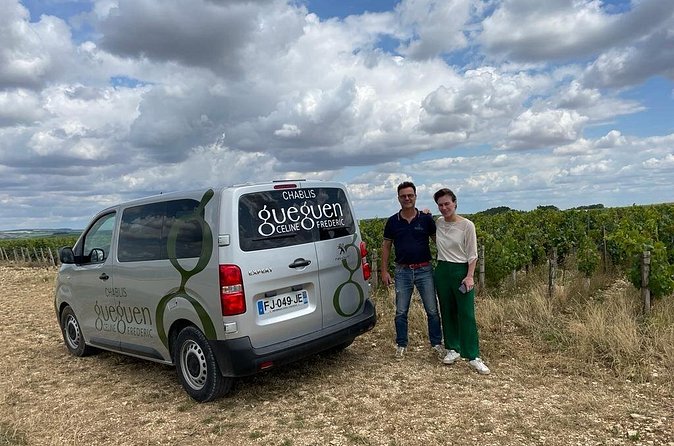
The best part of this Chablis tour is simple: you taste the wine right beside the vines and soil that produced it. A small minibus carries you from Chablis into several parcels, including Burgundy, Petit Chablis, Chablis, and Chablis Premier Cru, while your guide explains why each plot tastes different.
I like two things here. First, the group is capped at seven people, so the visit should feel more like a conversation than a bus excursion. Second, the tasting is tied to the exact places you visit, with five wines, geology, vineyard work, and food pairing advice folded into the two-hour outing.
The main consideration is the short running time. Two hours gives you a focused introduction, not a full winery day, and the activity needs at least two participants and suitable weather to operate.
Key points to know before booking
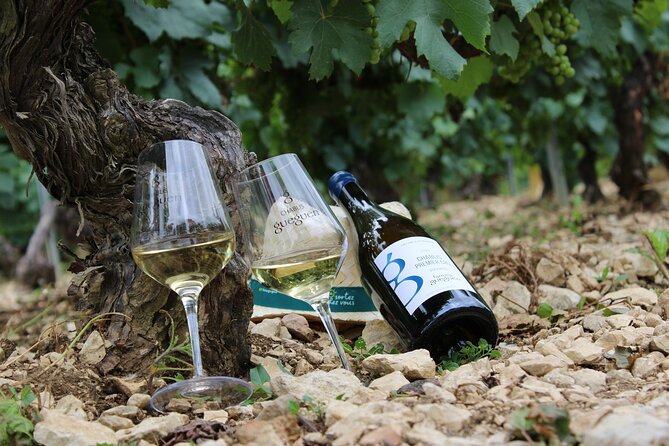
- Taste wine in the parcels where it was made, rather than tasting only in a cellar.
- Compare Burgundy, Petit Chablis, Chablis, and Chablis Premier Cru during one compact outing.
- Learn how geology, slope, exposure, pruning, and harvest work affect the wine.
- Expect a small group, with a maximum of seven people in the minibus.
- Guides may include Aija, Fanny, or Frédérique, all presented as enthusiastic and clear instructors.
- Plan for about two hours, starting and ending at 5 Bis Rue Jules Rathier in Chablis.
Why tasting beside the vines changes the experience
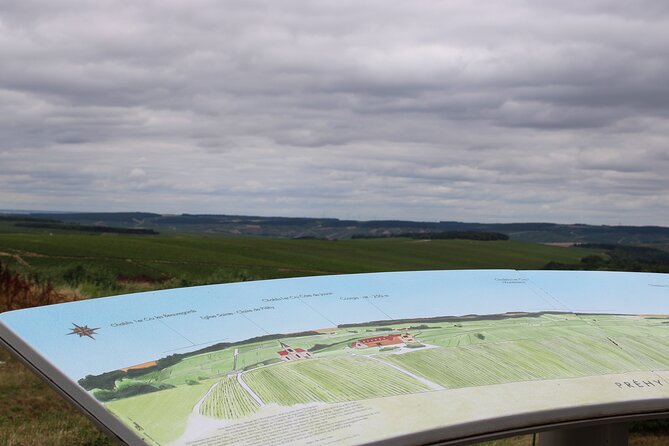
Chablis can be confusing when you meet its labels only on a restaurant list. Petit Chablis, Chablis, and Chablis Premier Cru are not simply steps on a price ladder. They refer to different vineyard areas and classifications, and this outing gives you a practical way to connect those names with actual parcels.
You stop in several parts of the Chablis wine area and taste the wine produced from the plot where you are standing. That detail matters. Instead of asking you to remember an abstract explanation about soil and position, the guide can point to the ground, the slope, and the vines at the same time you taste.
The experience also includes Burgundy wines as part of the comparison. The supplied information does not specify every exact parcel or producer bottle, so you should think of the itinerary as a guided introduction to the area rather than a guaranteed visit to a particular vineyard estate.
For someone trying to understand Chablis, this is a useful format. You get the setting, the terminology, and the glass in front of you at the same moment. It is a little like reading a map while standing on the road instead of studying it later at home.
Other vineyard visits we rate around France
- Saint-Émilion: Grand Cru Classé Winery Visit and Tasting
★ 4.6 · 1,118 reviews - Saint Emilion Half-Day Trip with Wine Tasting & Winery Visit from Bordeaux
★ 4.5 · 1,034 reviews - Saint-Émilion: Bordeaux Vineyard Tour and Wine Tasting
★ 4.8 · 578 reviews
The minibus ride and small-group format
The tour begins at 5 Bis Rue Jules Rathier, 89800 Chablis, and returns to that same meeting point. Transport is by minibus, which keeps the visit moving between parcels without asking you to arrange separate taxis or drive after tasting wine.
The maximum group size is seven. That is one of the strongest practical features of the outing. A small group makes it easier to ask why one plot belongs to one appellation and another plot belongs to a different one. It also gives the guide a better chance to adjust the explanation to your level, whether you are new to wine or already know the basic Chablis labels.
The minibus format does mean that this is not a long walking tour through the vines. You will stop in different parcels, and one review describes a discovery walk as part of the experience, but the exact amount of walking is not specified. If you need detailed information about the walking distance or terrain, ask the provider before booking.
The activity is offered in English. Confirmation is sent within 48 hours of booking, subject to availability, so do not treat an unconfirmed reservation as final until that message arrives.
Burgundy and Petit Chablis: starting with comparison
The early stops introduce the wider range of wines connected with the area. Burgundy and Petit Chablis form useful reference points before you move into the more specific Chablis classifications.
Here, the guide explains the geological character of the parcel and connects it with the wine in your glass. The information provided for the experience also points to discussions of slope, exposure, vine pruning, winter work, harvest work, aromas, and the way terroir changes from one plot to another.
That is a lot for a two-hour tour, so expect concise explanations rather than a technical wine course. The benefit is that the subjects are not treated as isolated facts. You can ask about vineyard work while looking at the vines, then taste a wine linked to that setting.
The exact tasting order is not given. You might find that the guide builds from a broader Burgundy comparison toward the Chablis classifications, but the provider does not promise a fixed sequence of bottles. The experience includes a tasting of five different wines according to the available information, which gives you enough range to compare without turning the visit into an endurance test.
Chablis: linking the label to the plot
The Chablis stop is likely to be the point where the tour’s idea becomes clearest. You are not simply told that Chablis has a certain style. You taste a wine while standing in a Chablis parcel and hear how the location contributes to what you notice.
The guide may discuss aromas and food combinations here, both of which help make the tasting more useful after the tour. Wine descriptions can become slippery when they stay at the level of flowers, fruit, and minerals. A food pairing explanation gives you a more concrete test: what might work at the table, and why?
The guide names available for this experience include Aija, Fanny, and Frédérique. The material describes Aija as friendly and informative, while Fanny and Frédérique are presented as professional and enthusiastic. Since the guide assigned to your date is not guaranteed in the details provided, consider the names examples of the team rather than a promise that one particular person will lead your outing.
You should also expect the guide to talk about more than finished wine. Vine pruning, winter jobs, and harvest work are specifically part of the subject matter. That makes the visit more valuable for anyone who wants to understand the labor behind the bottle, not just take photographs among the rows.
Same grapes, a different estate to taste:
- Bordeaux: Vineyards Wine Tasting Half-Day Trip
★ 4.2 · 470 reviews - Half-Day Wine tour across Bordeaux’s Vineyards
★ 3.5 · 429 reviews - Saint-Émilion: Vineyard Walking Tour and Tasting
★ 5.0 · 404 reviews - Small-Group Full-Day Tour of Côte de Nuits, Côte de Beaune Vineyards and Beaune Historical District
★ 5.0 · 364 reviews
Chablis Premier Cru and the value of place
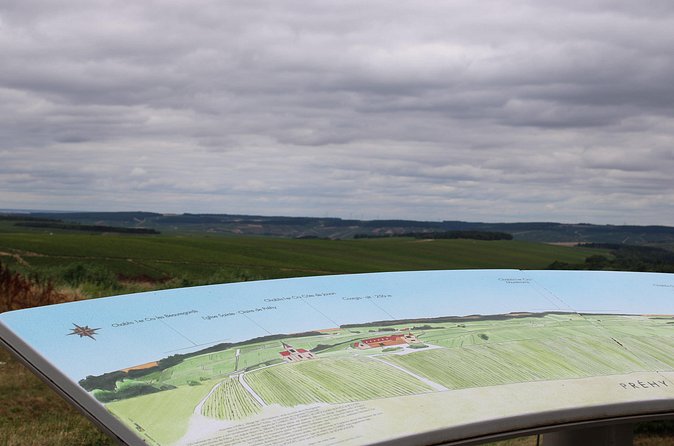
The Premier Cru stop adds another point of comparison. The appeal is not simply that the wine has a higher classification. It is the chance to see how a particular parcel fits into the larger Chablis system and to taste its wine in place.
The experience description stresses geological differences between parcels. That is the lesson to watch for: a name on the bottle reflects a defined place, and the guide uses the physical setting to explain why the wines are not all interchangeable.
I would not book this expecting a grand estate tour, a long meal, or a private cellar visit. The supplied details point instead to a moving outdoor lesson with tastings along the route. That can be more revealing than a polished tasting room, but it may feel too brief if you want extended time with each bottle or a large winery production tour.
Five wines over about two hours is a sensible balance. You have time to compare them, hear the explanation, and keep moving. Still, tasting quantities, food served, and the names of the wines are not specified. The mention of food and wine combinations means you receive pairing guidance, but you should not assume a full meal is included.
What makes the five-wine tasting useful
The tasting works because it is organized around place. Each glass is meant to support the explanation of the parcel you have just visited, rather than appearing as a random selection of bottles.
You can use the tasting to pay attention to a few simple questions:
- What aromas does the guide identify?
- Does the wine feel different from the previous stop?
- What geological or vineyard feature is being linked to that difference?
- Which food pairing does the guide recommend?
- Can you connect the wine to the plot you just saw?
You do not need advanced wine vocabulary to get something from this. In fact, beginners may benefit most because the guide gives the labels a physical setting. Experienced wine drinkers may appreciate the chance to compare several appellations without committing to a longer tasting program.
Only people aged 18 or older may consume alcohol. The experience does not say that non-drinkers receive an alternative tasting, so contact the provider if someone in your party wants to attend without drinking wine.
Price, timing, and overall value
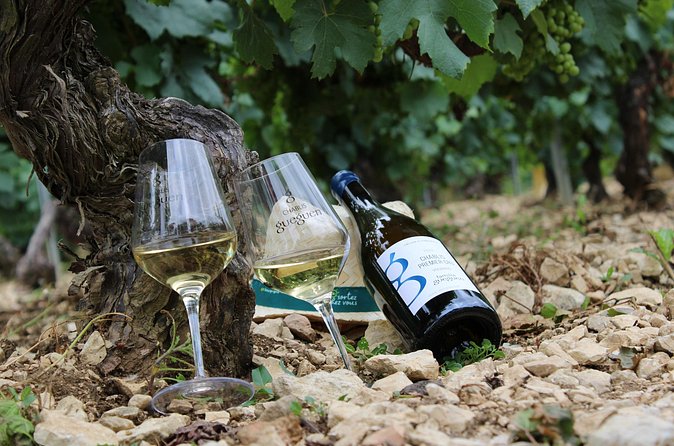
At $108.84 per person, this is not a bargain if you measure value only by the number of hours or tasting pours. The outing lasts about two hours, and the tasting quantity is not stated.
The price makes more sense if you value the combined service: minibus transport from Chablis, a small group, guided stops in several appellations, five wines, and an explanation of geology and vineyard work. A self-guided visit might cost less, but it would not give you the same direct link between the parcel and the wine unless you already knew where to go and what to look for.
The average booking lead time is 96 days. That suggests you should plan early, especially if your dates in Chablis are fixed. It does not guarantee that every date sells out, but waiting until the last moment may limit your choices.
The two-hour length also makes this easy to fit around other plans in Chablis. You are not giving up an entire day, and the return to the original meeting point keeps the schedule tidy. On the other hand, the compact format leaves little room for delays, lengthy questions, or an extended stop at any one parcel.
Weather, participation, and practical limits
This is an outdoor vineyard activity, so weather matters. If poor weather forces cancellation, you are offered another date or a full refund. The activity also requires a minimum of two participants. If that minimum is not met, you are offered another activity or a refund of the service.
You can cancel for a full refund up to 24 hours before the start time. Cancellations or changes made less than 24 hours before the start are not accepted for a refund, and the cut-off follows local time.
Service animals are allowed, and most people can participate. That wording does not provide detailed information about vehicle access, walking surfaces, or mobility equipment. If you have specific access needs, ask before paying rather than relying on the general participation note.
The tour ends back at the meeting point, which is useful if you arrive in Chablis on foot or have another local plan afterward. No separate end point or hotel transfer is listed.
Who will get the most from this Chablis tour
I would recommend this experience to you if you want a clear introduction to Chablis wine and prefer a real vineyard setting to a formal tasting room. It suits couples, small groups, and solo visitors who enjoy asking questions and comparing places through a glass of wine.
It is especially useful for:
- First-time visitors who find French wine classifications confusing
- Wine drinkers who want to understand terroir through actual vineyard plots
- People with only a short window in Chablis
- Visitors who prefer a small group to a large coach outing
- Anyone interested in pruning, harvest work, geology, and food pairing
I would hesitate if you want a full-day winery program, a guaranteed visit with a particular guide, detailed production facilities, or a substantial meal. The experience is focused on the vineyards and comparison tasting. It is not presented as a full estate tour.
Should you book the vineyard tasting?
Book it if the idea of tasting wine in the exact parcels where it was made appeals to you. The strongest feature is the connection between the land, the appellation, and the glass, supported by a small group and guides such as Aija, Fanny, or Frédérique.
The price is fair for a guided five-wine comparison with transport, but the two-hour schedule is tight and some practical details, including exact bottles, tasting quantities, walking distance, and food served, are not specified. If those details matter, ask before booking.
For a compact, place-focused introduction to Chablis, this is a smart choice. It gives you enough background to read a Chablis label with more confidence, then sends you back into town before the afternoon disappears.
FAQ
Where does the Chablis vineyard experience begin?
It begins at 5 Bis Rue Jules Rathier, 89800 Chablis, France.
Where does the activity end?
The experience ends back at the original meeting point.
How long does the tour last?
The activity lasts approximately two hours.
How many people can join the tour?
The minibus group has a maximum of seven people.
What wine areas are included?
The route includes parcels associated with Burgundy, Petit Chablis, Chablis, and Chablis Premier Cru.
How many wines are tasted?
The experience includes a tasting of five different wines, with the wine connected to the parcel being visited.
Is the tour offered in English?
Yes. The activity is offered in English.
What happens if the weather is poor or there are too few participants?
If poor weather causes cancellation, you can choose another date or receive a full refund. If the minimum of two participants is not reached, you are offered another activity or a refund of the service.
Newly reviewed vineyards around France
- Vosne-Romanée: Private Vineyards Walking Tour with Tasting★ 4.4 · 9 reviews
- Vineyard of the Alpilles by bike★ 4.6 · 8 reviews
- Vineyard tour and wine tasting in Davron★ 4.5 · 7 reviews
- Private Vineyard Tour and Wine Tasting in Bandol★ 5.0 · 16 reviews
- Vineyard visit in Gyropode, visit of Cave & Tasting Wines of Bandol★ 5.0 · 19 reviews
- Bike ride on the Wine Route from Sélestat★ 5.0 · 5 reviews
- Horse riding in the vineyards of Grimaud + wine tasting★ 5.0 · 3 reviews
- 1/2 day private Vintage tour, vineyards of Saint-Tropez★ 5.0 · 6 reviews
France Vineyard Tours, compared.
Saint-Émilion: Grand Cru Classé Winery Visit and Tasting
Read our review →
Saint Emilion Half-Day Trip with Wine Tasting & Winery Visit from Bordeaux
Read our review →
Saint-Émilion: Bordeaux Vineyard Tour and Wine Tasting
Read our review →
Saint-Émilion: Vineyard Walking Tour and Tasting
Read our review →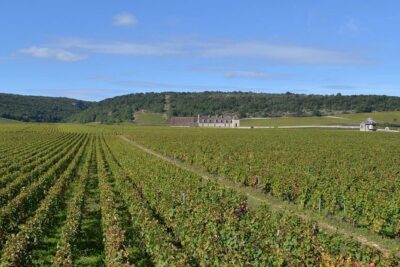
Small-Group Full-Day Tour of Côte de Nuits, Côte de Beaune Vineyards and Beaune Historical District
Read our review →
Lists this tour appears in