
Review · SAINT-ÉMILION
Saint-Émilion: Vineyard Walking Tour and Tasting
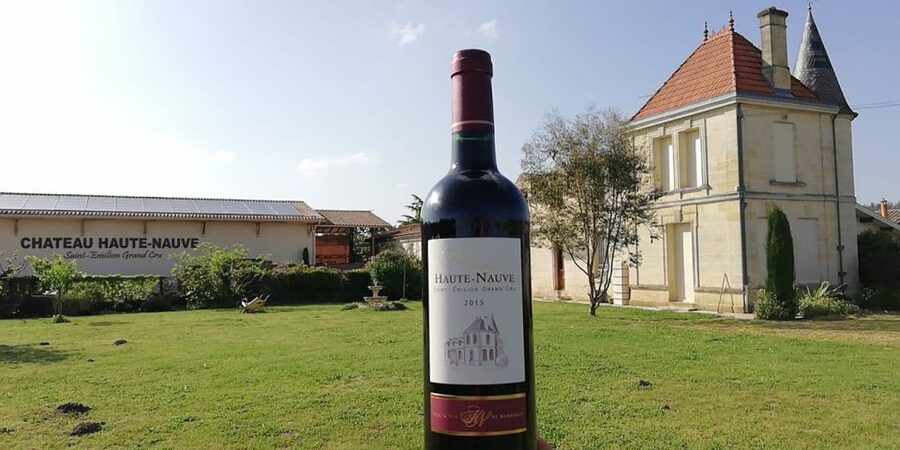
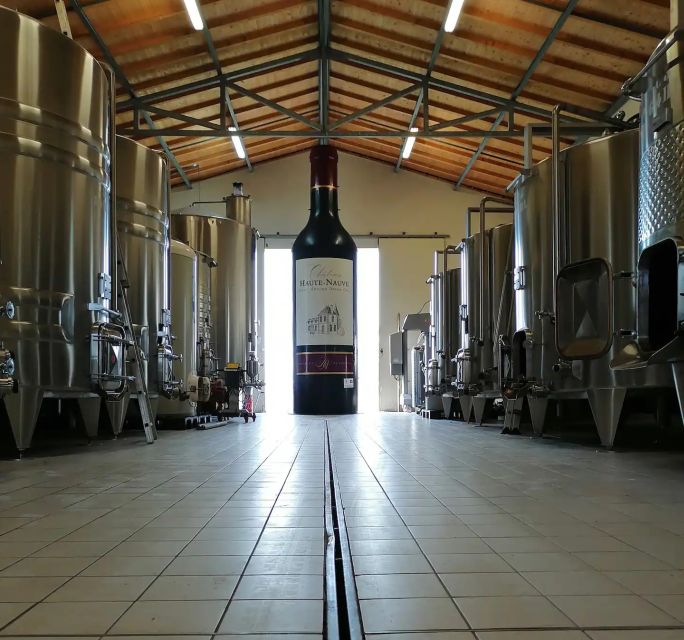
At Château Haute-Nauve, wine is not presented as a polished château performance. Florent or Marie-Anne, members of the fourth-generation family, take you outside among the vines, then into the working cellar to show how the wine is actually made. You may even spot a wind turbine and a six-meter wine bottle built for frost protection.
I like the small groups of up to 10, which leave room for real questions, and I like that the two-hour visit covers the vineyard, production rooms, barrel cellar, and tasting without dragging. The one thing to consider is location: the estate is 3 kilometers from Saint-Émilion village, and transport is not included, so a car is the easiest choice.
Key details before you book
- Four wines at the finish: Taste four Saint-Émilion wines, including two with Grand Cru appellations.
- A working family estate: Learn from Florent or Marie-Anne, part of the fourth generation at Château Haute-Nauve.
- From frost to fermentation: See how the estate handles weather problems, pumping, pressing, ageing, and new wine projects.
- A short walk with useful context: Spend about two hours moving from vineyard rows to cellar equipment and barrels.
- Good value at $29: The price covers the guided visit and four-wine tasting, with no food or transport included.
- Easy planning: English and French tours are available, cancellation is free up to 24 hours before the visit, and you can reserve now and pay later.
Why this small Saint-Émilion estate feels different
Saint-Émilion offers plenty of grand names and impressive stone buildings. Château Haute-Nauve gives you something more personal: a family-run estate where the person explaining the vines is closely tied to the work and the decisions behind each bottle.
Florent is the guide most often named for this experience, while Marie-Anne may also lead the visit. His approach, based on the information provided, is friendly, humorous, and practical. He explains the family story, the local appellation, and the daily work in plain terms rather than turning the tour into a formal lecture.
That personal link matters. You are not only hearing that Saint-Émilion produces red wine. You are learning how this particular estate deals with its soil, climate, harvest timing, machinery, ageing choices, and changing market. The visit also covers the family’s plans for diversification and new varieties, useful topics at a time when traditional vineyards face weather and commercial pressures.
The group limit is 10 people. That is small enough for a relaxed feel and for questions to be heard. Several scheduled visits have also ended up being private or nearly private, though that depends on the booking date and should not be treated as a guarantee.
Other vineyard visits we rate around France
- Saint-Émilion: Grand Cru Classé Winery Visit and Tasting
★ 4.6 · 1,118 reviews - Saint Emilion Half-Day Trip with Wine Tasting & Winery Visit from Bordeaux
★ 4.5 · 1,034 reviews - Saint-Émilion: Bordeaux Vineyard Tour and Wine Tasting
★ 4.8 · 578 reviews
Walking the vineyard and meeting the vines
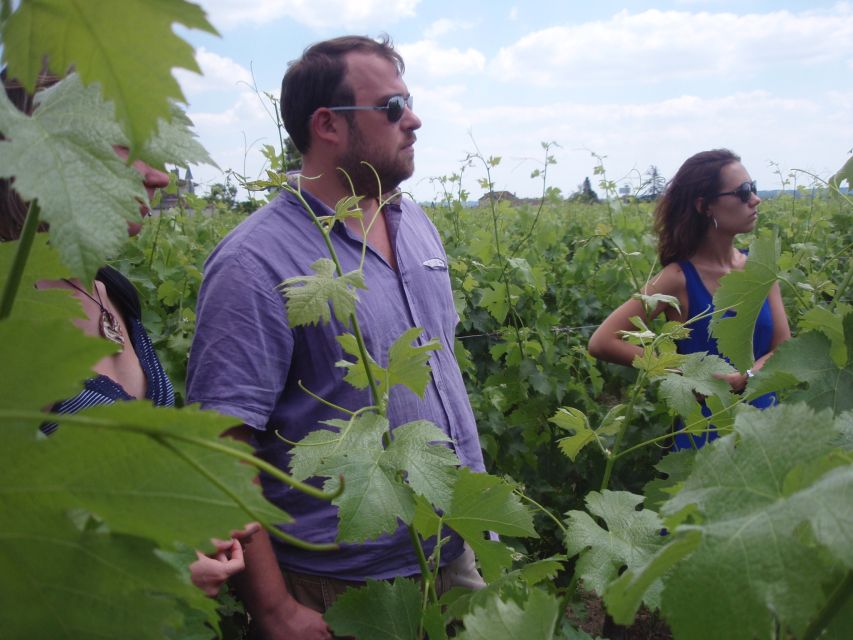
The tour begins outside, among the vineyard plots. This is an important part of the visit because many wine tours rush straight to the tasting room. Here, you first see the place where the grapes grow and hear how work changes through the year.
You learn about the family’s fourth-generation connection to the estate and about the Saint-Émilion appellation. The discussion covers grape varieties, the effect of soil and climate, and the seasonal care needed to keep vines productive. It also explains what happens during difficult weather, including the risk of crop frost.
A walk through the vines makes the later cellar visit easier to understand. When Florent explains fermentation or pressing, you have already seen the raw material and heard about the problems that can affect the harvest. That link from plant to bottle is one of the strongest parts of the experience.
The estate also takes a practical approach to modern vineyard challenges. You may see a wind turbine and a large bottle-shaped structure measuring about six meters high. The giant bottle is connected with the estate’s frost protection efforts, giving the walk an unusual visual detail and a useful lesson in how winemakers try to protect their crop.
You should wear comfortable shoes and clothing suited to the weather. The tour includes time outdoors, and vineyard paths are not the place for delicate footwear. Bring a layer or rain protection if the forecast calls for it, since the visit continues even when the weather is not perfect unless the operator advises otherwise.
Inside the vinification cellar
After the vineyard, you move indoors to the vinification cellar. This is where the tour shifts from farming to production, showing what happens after the grapes leave the rows.
The explanation covers fermentation, pumping, and pressing. You will also see the equipment and technology used to guide the wine through these stages. That makes this more useful than a simple walk past stainless-steel tanks. The focus is on what the machinery does and why each stage matters.
Fermentation is the point at which grape juice becomes wine, but the process involves careful control and timing. Pumping helps move the liquid through the production system, while pressing extracts juice from the grapes after the initial process. The tour does not treat these as abstract technical terms. You can see the equipment while the guide explains how the estate uses it.
The production building also gives you a sense of the balance between tradition and modern work. Château Haute-Nauve is a family business with a long history, but it is not presented as frozen in the past. The estate is interested in diversification and new varieties, and the machinery shows the practical side of keeping a vineyard productive today.
If you have already visited several famous Bordeaux estates, this section may be especially useful. It concentrates on the parts of wine production that are often skipped, particularly the work that happens between harvest and barrel. If you mainly want architecture, grand reception rooms, or a long tasting, this is a more modest and work-focused experience.
The barrel cellar and the wait for maturity
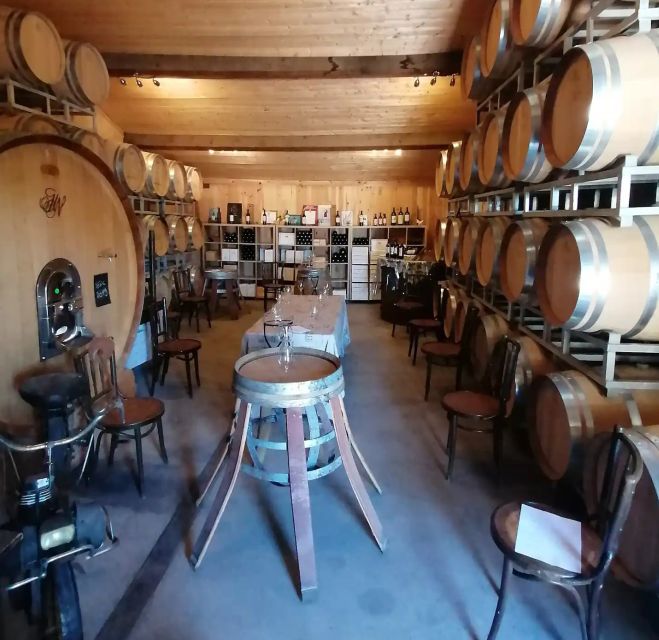
The final production stop is the barrel cellar. Here you learn how the estate ages its wines and see the methods used before the wine reaches the bottle.
Ageing is where the winemaker’s decisions continue to shape the final drink. The cellar visit helps explain why two wines made in the same broad region can taste different. Grape varieties, vineyard plots, harvest conditions, production choices, and time in barrel all play a part.
The barrel room also gives the tour a satisfying sense of progress. You begin outside with the vine, follow the grapes through fermentation and pressing, and finish with wine resting before bottling. It is a simple route, but it gives you a clear picture of the complete process.
The experience does not claim to turn you into a wine professional in two hours. It does give you enough background to taste with more attention. You can ask about the differences between wines, connect a bottle to its plot or vintage, and understand why the producer makes certain choices.
Same grapes, a different estate to taste:
- Bordeaux: Vineyards Wine Tasting Half-Day Trip
★ 4.2 · 470 reviews - Half-Day Wine tour across Bordeaux’s Vineyards
★ 3.5 · 429 reviews - Small-Group Full-Day Tour of Côte de Nuits, Côte de Beaune Vineyards and Beaune Historical District
★ 5.0 · 364 reviews - From Avignon: Half-Day Great Vineyards Tour
★ 4.8 · 337 reviews
Four wines, including two Grand Crus
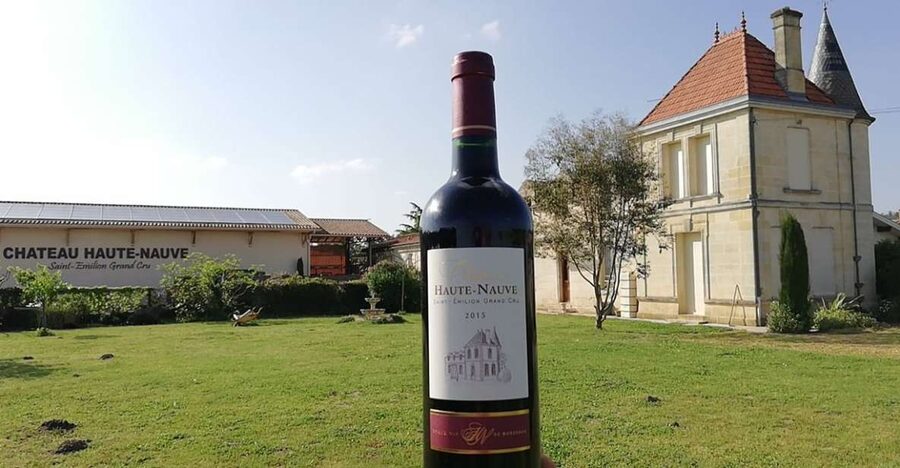
The tasting follows the cellar visit and includes four wines from Château Haute-Nauve. Two carry Grand Cru appellations, giving you a chance to compare different expressions from the estate rather than sampling one bottle and moving on.
The tasting is guided, so you receive an explanation of the wines as you try them. The descriptions provided for the experience point to a range of styles, from smoother wines to fuller-bodied examples. The aim is not speed. You have time to notice differences in texture, weight, and flavour while asking questions.
I like the structure here because the tasting comes after the vineyard and cellar. You have already learned about the vines, production, and ageing, so the wine has context. A Grand Cru label can sound impressive on its own, but understanding how the wine is made gives that label more meaning.
The four-wine format also offers good value for the price. At $29 per person, you are paying for a guided visit, access to the family estate, a walk through the working areas, and four tastes. Food is not included, and extra bottles cost more, but the tasting itself is part of the admission.
You can buy wine at the estate after the tasting. There is no stated requirement to purchase, and the experience is set up so you can decide after sampling the wines. If you are driving, check your own plans before buying several bottles. Saint-Émilion wine makes a fine souvenir, but you will need to manage transport and any travel restrictions yourself.
How the timing and location affect your day
The visit lasts two hours, which is a useful length for a half-day plan. It is long enough to cover the vineyard, production cellar, barrel cellar, and tasting, but short enough to combine with time in Saint-Émilion village.
Château Haute-Nauve is about 3 kilometers from the village. The meeting point is inside the château, near the large building with solar panels and the purple Château Haute-Nauve sign. A car is recommended, and transport is not included.
That location is both a benefit and a limitation. You get a quieter setting away from the busiest village streets, but you need to plan how you will reach the estate. If you are staying nearby, confirm your transport before booking. The supplied information notes that some people have used a ride service, but it does not provide a guaranteed transfer service.
Starting times vary, so check availability when you choose your date. Tours are offered in English and French. Wheelchair access is listed, but the activity includes a vineyard walk, so you should confirm any specific mobility needs with the provider before arrival.
The cancellation terms are traveler-friendly: you can cancel up to 24 hours ahead for a full refund. You can also reserve now and pay later, which helps if your Bordeaux plans are still changing.
Who will enjoy Château Haute-Nauve most
This tour suits you if you want to understand wine from the ground up rather than simply drink it. It works well for beginners because the explanations cover basic stages clearly, but people who have already visited wineries should still find value in the family story, the frost protection methods, and the attention to production technology.
Families can consider it too. Children are not the main audience, but the outdoor walk, machinery, giant bottle, and short two-hour format can be easier for a family than a long formal tasting. Only adults can take part in the wine tasting, so plan around that if you are visiting with children.
The tour is also a good match for people who enjoy meeting producers directly. Florent’s connection to the estate gives the experience a personal tone, and the family setting allows you to ask about the land, the work, and the business beyond the glass.
It may not suit you if you need included transport, a meal, or a full-day wine route with several estates. It is one château visit, not a broad comparison of Saint-Émilion producers. The strongest reason to choose it is the complete grape-to-bottle story at one family property.
Is the $29 price fair?
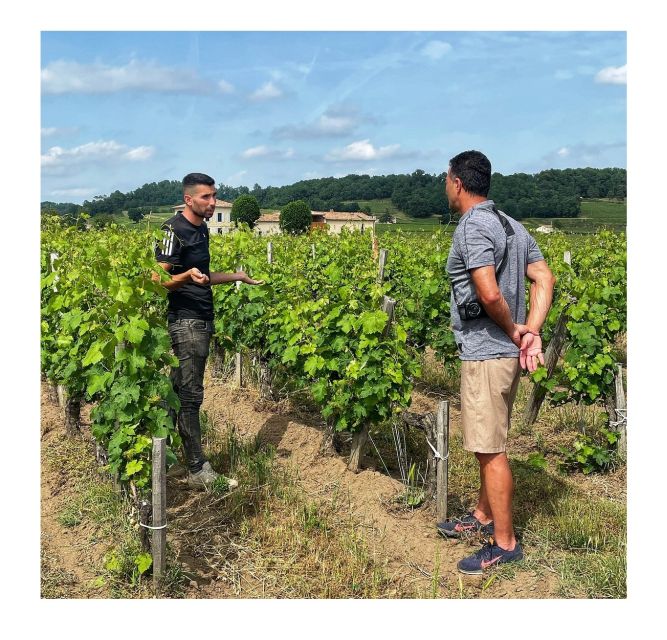
Yes, the price is strong for what is included. You receive approximately two hours with a family guide, a vineyard walk, access to the vinification and barrel areas, and four wines, including two Grand Crus.
The value is even better if you want explanation rather than only tasting. A basic wine sample can be over quickly, while this visit shows you the field work, the equipment, the ageing process, and the choices behind the bottles.
Keep the exclusions in mind. Food, transport, and additional wine purchases are not included. If you need a taxi or ride service to reach the estate, that will add to the total cost. Still, the core experience remains reasonably priced for the Saint-Émilion area.
Should you book this Saint-Émilion wine tour?
Book it if you want a friendly, small-group introduction to Saint-Émilion wine and can arrange transport to a château outside the village. The personal family connection, the vineyard walk, the cellar machinery, and the four-wine tasting create a well-shaped two-hour visit.
I would especially choose it over a more formal estate tour if you care about how vines are protected, how wine is made in practice, and how a family business is adapting to weather and modern demands. The main drawback is simple: you must get yourself to Château Haute-Nauve, and there is no food included.
For $29, this is a sensible pick for couples, families, first-time wine tasters, and anyone with limited time in Saint-Émilion. Go with comfortable shoes, leave room in your luggage for a bottle or two, and allow extra planning time for the short trip from town.
FAQ
How long does the Château Haute-Nauve tour last?
The tour lasts two hours. It includes the vineyard walk, the production and barrel cellars, and a guided tasting of four wines.
Where does the tour meet?
Meet inside Château Haute-Nauve. The car park is near the large building with solar panels, under the Château Haute-Nauve purple sign.
How far is the château from Saint-Émilion village?
The estate is located 3 kilometers from Saint-Émilion village. Arriving by car is recommended, and transport is not included.
Which languages are available?
The tour is offered in French and English.
What wines are included in the tasting?
You taste four wines from Château Haute-Nauve, including two wines with Grand Cru appellations.
Can I cancel or pay later?
You can cancel up to 24 hours in advance for a full refund. Reserve now and pay later is also available.
Newly reviewed vineyards around France
- Vosne-Romanée: Private Vineyards Walking Tour with Tasting★ 4.4 · 9 reviews
- Vineyard of the Alpilles by bike★ 4.6 · 8 reviews
- Vineyard tour and wine tasting in Davron★ 4.5 · 7 reviews
- Private Vineyard Tour and Wine Tasting in Bandol★ 5.0 · 16 reviews
- Vineyard visit in Gyropode, visit of Cave & Tasting Wines of Bandol★ 5.0 · 19 reviews
- Bike ride on the Wine Route from Sélestat★ 5.0 · 5 reviews
- Horse riding in the vineyards of Grimaud + wine tasting★ 5.0 · 3 reviews
- 1/2 day private Vintage tour, vineyards of Saint-Tropez★ 5.0 · 6 reviews
Saint Emilion Vineyard Tours, compared.
Saint-Émilion: Grand Cru Classé Winery Visit and Tasting
Read our review →
Saint-Émilion: Bordeaux Vineyard Tour and Wine Tasting
Read our review →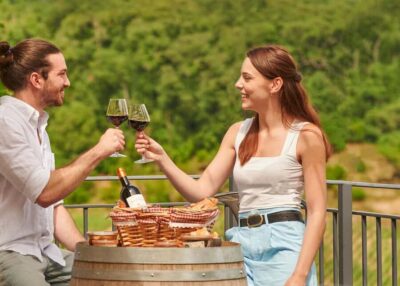
Saint-Emilion: Grand Cru Classé Guided Winery Visit & Picnic
Read our review →
Saint-Émilion: Family Vineyard Visit with Wine Tasting
Read our review →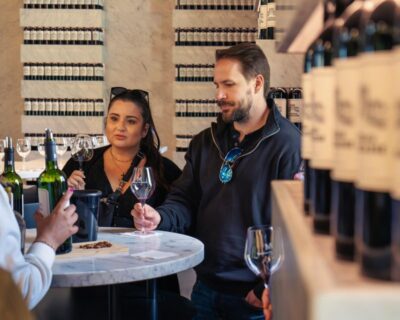
Saint-Emilion: Morning Tour with Wine Tasting & Snack
Read our review →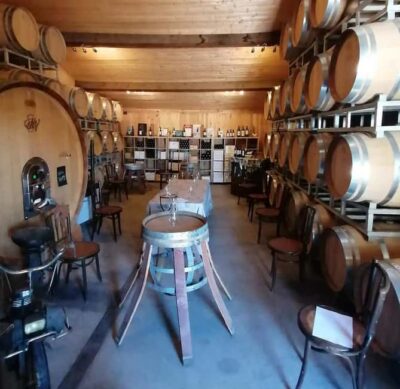
Saint-Emilion : Tasting of 4 wines in a family vineyard
Read our review →
Private ride through the vineyards from Saint-Emilion – 1h30
Read our review →Lists this tour appears in