
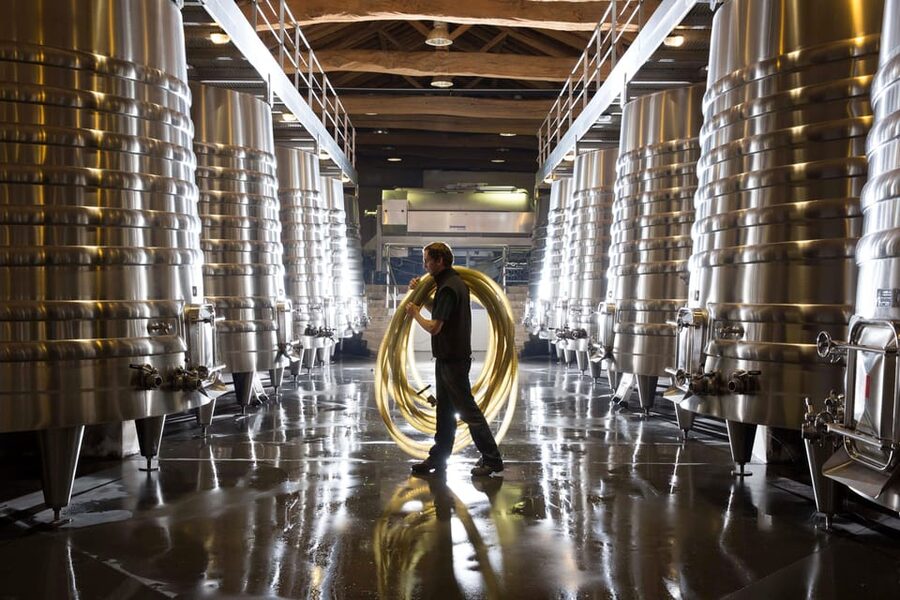
Review · BORDEAUX
Château Olivier: One Hour Vineyard Tour with Wine Tasting
Château Olivier gives you something many Bordeaux winery visits skip: a close look at the vineyard’s protected natural setting, not just a cellar talk and a quick pour. In one hour, you explore an estate of 220 hectares, with 60 hectares planted to vines across 13 soil types, then taste two red and two white wines. I like the strong focus on biodiversity, and I like that the tour explains how the De Bethmann family is moving the estate toward organic farming. The main drawback is that this is a short visit, and you do not tour the inside of the château.
If you arrive without a car, plan carefully. Château Olivier is only 11 kilometers from Bordeaux, but the walk from the Piscine Chambry bus stop or from the end of the château lane can be lengthy. Comfortable shoes matter, and the tour is not suitable for wheelchair users, people with mobility impairments, or people with hearing impairments.
Key points to know before visiting Château Olivier
- 220 hectares of protected nature: The estate includes far more than its 60 hectares of vines, with varied plant and animal life across the property.
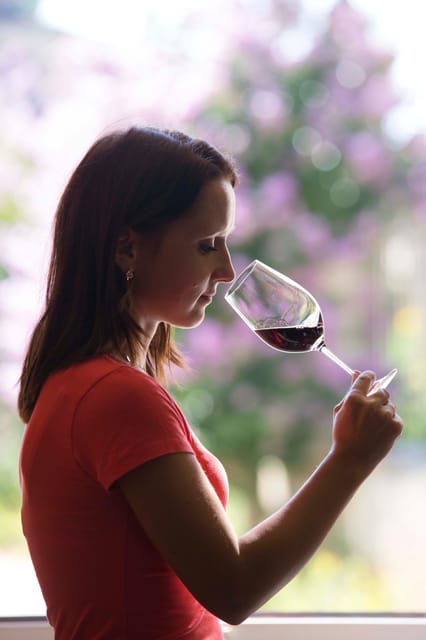
- Four Bordeaux wines to taste: The advertised tasting includes two reds and two whites, made from classic regional grape varieties.
- 13 soil types shape the wines: The tour connects the vineyard’s soils with its planting choices and wine production.
- Organic conversion began in 2022: Château Olivier’s environmental work includes HVE 3 and ISO 140001 certification.
- Guides speak French and English: Laureen has led visits, and the guide can answer questions about the estate and its farming.
- The château interior is not part of the visit: You focus on the grounds, vines, environmental work, and tasting rather than furnished rooms.
Why the setting near Bordeaux matters
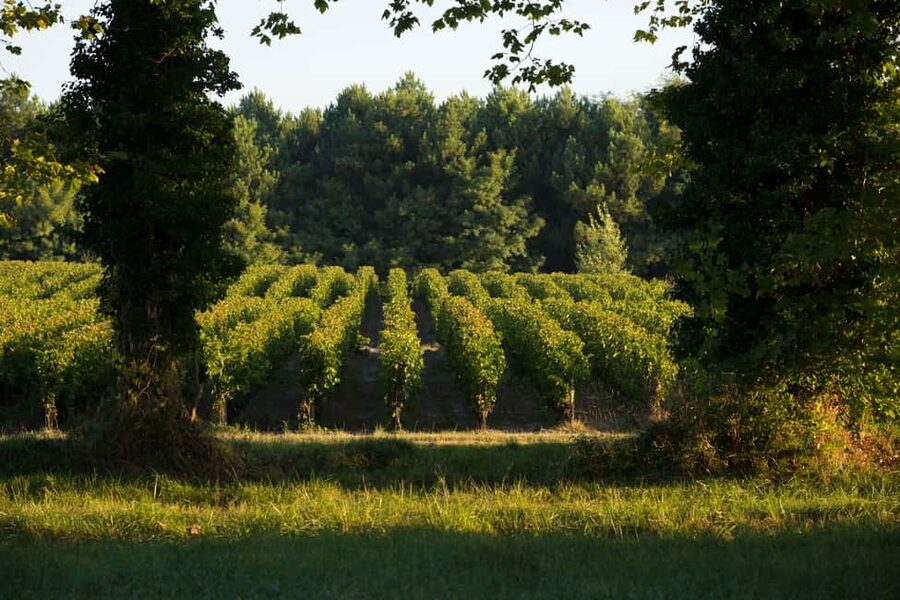
Château Olivier sits in Nouvelle-Aquitaine, only 11 kilometers from Bordeaux. That makes it a practical choice if you want a taste of wine country without giving up most of a day to transport.
The short distance can be misleading, though. The estate itself is large, and access is not the same as arriving at a city attraction. If you are coming by car, enter the driveway and follow signs to reception. The entrance is in the building opposite the visitor parking area. If you are using public transport, allow extra time for the walk from Piscine Chambry or from the end of the château lane.
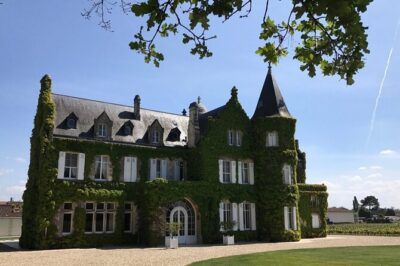
I would treat the setting as part of the experience rather than a minor detail. You are not visiting a tasting room in central Bordeaux. You are entering a working estate where vineyards occupy one part of a much larger natural area. That broader view helps explain why farming decisions matter here.
The property contains 220 hectares of fauna and flora, while vines cover 60 hectares. This ratio is important. Many wine tours focus almost entirely on rows of grapes, but Château Olivier presents the vineyard as part of a wider living area. You learn about the plants and animals that share the estate, and about the steps taken to protect them.
One-hour cellar-door visits around Bordeaux:
- 1 Hour Private Vineyard Dome Experience in Niagara-on-the-Lake
★ 5.0 · 356 reviews - Vrede en Lust Wine Estate:1-Hour Horseback Riding Experience
★ 4.8 · 28 reviews - Vrede en Lust Wine Estate: 1H Quad Bike Trail
★ 4.8 · 18 reviews
Walking through 60 hectares of vines
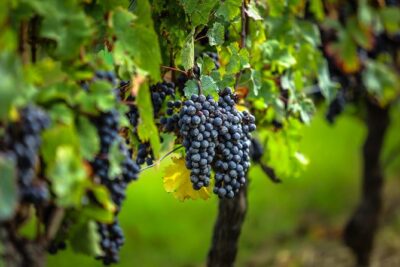
The cultivated portion covers 60 hectares. Of that, 52 hectares are planted with red grapes and eight hectares with white grapes. The vines grow on 13 different soils, giving the guide plenty to explain during the walk.
You may not become a soil expert in one hour, but you should come away with a clearer idea of why Bordeaux estates plant several grape varieties in separate parcels. The vineyard is not one uniform field. Different soils and grape varieties work together to give the estate several styles of wine.
For the red wines, Château Olivier uses Merlot, Cabernet Sauvignon, and Petit Verdot. These are familiar Bordeaux varieties, but their proportions and growing conditions shape the final character of the wines. Merlot is associated with softness and fruit, Cabernet Sauvignon with structure, and Petit Verdot with color and intensity. The tour gives you a useful framework for noticing those differences in the glass later.
The white wines use Sauvignon and Sémillon. Sauvignon can bring fresh, crisp notes, while Sémillon adds body and a rounder feel. The presence of eight hectares of white vines also gives the estate a broader identity than a property devoted only to red Bordeaux.
This is a guided visit, not a self-guided stroll. The guide leads you through the estate and explains how the land, grape types, and farming choices fit together. Guides speak French and English. Laureen has been singled out for being friendly, accessible, and able to answer questions, so do not hesitate to ask about the soil, grape varieties, or environmental work.
Biodiversity is more than a pleasant backdrop
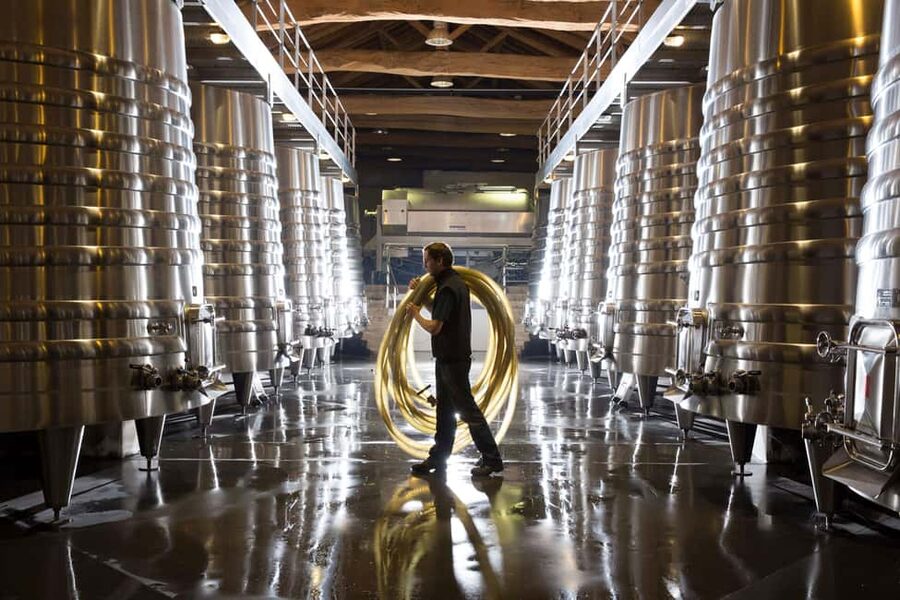
The strongest feature of this tour is its environmental focus. Château Olivier describes the estate as a rare nature reserve because of its varied fauna and flora. You are shown how vineyard work takes place within that larger setting, rather than treating nature as decoration around the vines.
The De Bethmann family has owned the property for 138 years and is committed to protecting the environment and the vineyard. That long ownership gives the environmental discussion a family and place-based context. The message is not simply that organic farming is fashionable. It is presented as part of the estate’s continuing responsibility to its land.
Château Olivier has HVE 3 and ISO 140001 certification, and organic conversion began in 2022. HVE 3 refers to a high level of environmental value in farming. The organic conversion means the estate is working through a process rather than claiming that every part of its production is already fully organic.
That distinction is worth noting. You should expect an explanation of the conversion process, not a simple label with no detail. The guide can help you understand how the estate is changing its methods and why protecting soil, plants, and wildlife affects vineyard work.
I particularly like this part of the visit because it gives the wines a physical setting. You taste the result after seeing the land and hearing how it is managed. The estate’s environmental approach will interest you most if you care about farming methods, biodiversity, or the future of wine production.
The four-wine tasting at the end
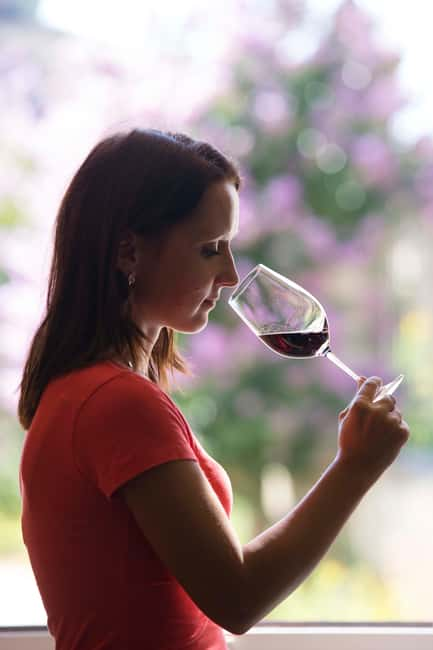
The advertised tasting includes two red and two white wines. That is a good spread for a one-hour visit because it lets you compare both sides of the estate’s production instead of tasting only one red Bordeaux.
Start with the whites if the guide presents them in that order. Sauvignon and Sémillon offer a useful comparison between freshness and fuller texture. Then the reds show how Merlot, Cabernet Sauvignon, and Petit Verdot work within Bordeaux-style blends.
The tasting is not designed as a long meal. Food is not included, so eat beforehand if you need more than a few samples. You are there to connect the wines with the vineyard, not to replace lunch.
One detail deserves clarification. A recent visitor described tasting two high-quality wines, while the experience information specifies two reds and two whites. The format may vary by visit or by how the wines are presented. If tasting all four is important to you, confirm the current selection when booking or at reception.
At $23 per person, the tasting offers solid value if you want both an introduction to Bordeaux wine and a look at the estate’s environmental work. You are paying for a guided visit, access to the vineyard setting, and wine tasting. A dedicated tasting in Bordeaux may cost a similar amount, but it will not give you the same connection to the vines and surrounding nature.
The value is less clear if you mainly want to see a grand château interior. The building itself is not part of the visit, and the tasting is brief. For a full estate tour with several rooms, a longer cellar session, or a substantial food pairing, you should choose a different experience.
Other vineyard visits we rate around Bordeaux
- Saint Emilion Half-Day Trip with Wine Tasting & Winery Visit from Bordeaux
★ 4.5 · 1,034 reviews - Bordeaux: Vineyards Wine Tasting Half-Day Trip
★ 4.2 · 470 reviews - Half-Day Wine tour across Bordeaux’s Vineyards
★ 3.5 · 429 reviews - Medoc Region Wine Day Trip with Vineyard Visits & Tastings from Bordeaux
★ 4.5 · 293 reviews
What the one-hour schedule feels like
One hour goes quickly. Expect an introduction to Château Olivier, a walk through the estate or vineyard area, an explanation of the family ownership and environmental protections, and the wine tasting.
The visit has a sensible rhythm. You begin with the place, then learn about the vines and soils, then finish with the wines. That order helps you taste with more context. Instead of hearing a list of grape names after drinking, you know what Merlot, Cabernet Sauvignon, Petit Verdot, Sauvignon, and Sémillon are doing before the glasses arrive.
Do not expect a long, slow walk through all 220 hectares. The estate is too large for that in one hour. The tour gives you an introduction to the property’s biodiversity and cultivated land, with the guide selecting what can be covered in the available time.
Photography is allowed, so bring a camera if you want pictures of the grounds and vines. Check the weather before setting out. Much of the appeal is outdoors, and there is no reason to make the visit harder with unsuitable clothing or shoes.
Smoking and littering are not allowed on the premises. Pets are also not permitted, except for assistance dogs. These rules fit the estate’s environmental message and help protect the grounds.
Access, walking, and practical planning
Wear comfortable walking shoes. This is not a good choice if standing or walking is difficult, and the experience is specifically not suitable for people with mobility impairments or wheelchair users. It is also not suitable for people with hearing impairments, so contact the provider before booking if you need communication support.
The meeting point is simple once you reach the property. Enter the driveway, follow the signs to reception, and look for the entrance in the building opposite the visitor parking lot.
Transportation to and from Château Olivier is not included. That matters more here than it might at a city winery because of the long driveway and the distance from public transport. If you are traveling by bus, do not assume the stop leaves you at the reception door. Arrange your onward walk in advance, especially in poor weather.
The tour lasts one hour, and starting times vary by availability. That makes it easy to fit into a day based in Bordeaux, but you should leave enough time for the journey and arrival at the estate. Arriving early is sensible if you are unfamiliar with the entrance.
The activity offers free cancellation up to 24 hours before the visit, and you can reserve now and pay later. Those terms help if your Bordeaux plans are still shifting, but they do not solve the transport question. The key decision is getting to the property comfortably.
Who will enjoy this visit most
I would recommend Château Olivier to you if you want a short, focused introduction to Bordeaux wine with a strong environmental angle. It suits first-time wine visitors who want to understand the basic grape varieties and see an actual vineyard rather than sit only at an urban tasting counter.
It also suits you if biodiversity matters. The 220 hectares of fauna and flora give the tour a broader purpose, and the organic conversion that began in 2022 adds a current farming story. You can ask direct questions and see how the estate connects wine production with care for the surrounding land.
English speakers are well served because tours are available in English as well as French. Laureen is one of the guides associated with the experience, and the visit is built around explanation and questions rather than a silent walk.
I would hesitate to recommend it if your priority is a tour of the château rooms. That is not included. I would also choose another activity if you need step-free access, cannot manage a walk, or want a longer tasting with food.
Should you book Château Olivier?
Book this tour if you want a one-hour introduction to Bordeaux wine that combines four planned samples with a look at a large, protected estate. At $23, it is a fair price for the guided walk, biodiversity discussion, and tasting, especially if you are already staying near Bordeaux.
Before paying, check three things: how you will reach the property, whether the current tasting includes all four advertised wines, and whether the walking demands suit you. If those points work, Château Olivier offers a practical and thoughtful way to see wine country without committing to a full-day excursion.
FAQ
Where is Château Olivier located?
Château Olivier is in Nouvelle-Aquitaine, France, about 11 kilometers from Bordeaux.
How long does the visit last?
The guided tour and tasting last one hour.
How much does the experience cost?
The listed price is $23 per person.
What wines are included in the tasting?
The tasting is advertised as two red wines and two white wines. The red wines use Merlot, Cabernet Sauvignon, and Petit Verdot, while the whites use Sauvignon and Sémillon.
Is transportation included?
No. Transportation to and from Château Olivier is not included.
Where do I meet the guide?
Enter the driveway and follow the signs to reception. The entrance is in the building opposite the visitor parking area.
Are tours available in English?
Yes. Live guided tours are available in French and English.
Can I take photographs?
Yes. Photography is allowed on the premises.
Are pets allowed?
Pets are not allowed, although assistance dogs are permitted.
Is the tour suitable for wheelchair users?
No. The experience is not suitable for wheelchair users or people with mobility impairments. It is also listed as unsuitable for people with hearing impairments.
Newly reviewed vineyards around Bordeaux
- Half-Day Guided Wine Tasting Tour in Bordeaux Vineyards★ 5.0 · 15 reviews
- Private tour in the Sauternes wine region – discover Bordeaux sweet Crus Classés★ 5.0 · 7 reviews
- 3H private city tour of Bordeaux and vineyard in a Citroën DS★ 5.0 · 4 reviews
- Private 2cv tour in the vineyards and Wine tasting★ 5.0 · 14 reviews
- Private tour in the prestigious Médoc wine region★ 5.0 · 7 reviews
- Visit Saint-Emilion and Pomerol:Vineyards, lunch and tastings included★ 5.0 · 10 reviews
- 2 in 1 – Visit of Bordeaux and excursion in a vineyard★ 5.0 · 12 reviews
- From Bordeaux: Médoc Vineyard and Chateau Tour by Sidecar★ 4.6 · 8 reviews
Bordeaux Vineyard Tours, compared.
Saint Emilion Half-Day Trip with Wine Tasting & Winery Visit from Bordeaux
Read our review →
Medoc Region Wine Day Trip with Vineyard Visits & Tastings from Bordeaux
Read our review →
Médoc Region Half-Day Wine Tour with Winery Visit & Tastings from Bordeaux
Read our review →
Bordeaux: St-Emilion Vineyards e-Bike Tour with Wine & Lunch
Read our review →
Bordeaux: Médoc & St-Emilion Wine 3 châteaux with lunch
Read our review →Lists this tour appears in