
Review · FRANCE
Champagne Vineyard Experience: Delve into the terroir
Champagne Harlin’s experience begins where the wine starts: in the family garden and old vines of Mareuil-le-Port. You move from the soil to the cellar, then finish with Champagne and Ratafia Champenois, so the tasting has a clear connection to the work you have just seen.
I like the family-run setting and the focus on biodiversity, organic methods, and the way different soils shape each cuvée. I also like that the visit includes more than a glass at the end: you get vineyard time, cellar details, tasting guidance, and a chance to meet people who make the wine. The main drawback is that the visit includes a short walk and stairs, and one critical account found the tasting poor value, so expectations matter.
Key points to know
- Old vines and family roots: Begin in the garden where the grandfather’s vines grow, then walk into the vineyard.
- A cellar visit with purpose: The cool cellar explains the stages behind Champagne production rather than treating it as a quick photo stop.
- Terroir is the main theme: The estate connects soils in Mareuil-le-Port, Épernay, and Tours-sur-Marne with the character of its cuvées.
- Two kinds of tasting: Champagne is served alongside Ratafia Champenois, a regional fortified drink that many first-time visitors have not tried.
- English and French guides: Sarah and Chléo have led highly praised visits, with clear explanations and warm, attentive guiding.
- Plan for stairs: The vineyard walk and cellar access are part of the experience, not optional extras.
From the grandfather’s vines to the family cellar
The best feature here is the order of the visit. You do not begin with a polished tasting room and then hear a generic speech about vineyards. You start at 8 Rue de la Fontaine, in the courtyard of Champagne Harlin Père & Fils, and work through the estate in the same direction as the wine itself.
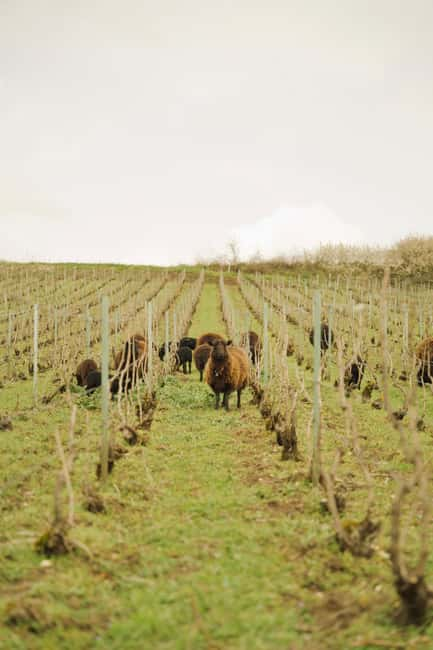
The garden contains the family’s oldest vines, including those planted by the grandfather. That detail gives the opening some heart. You are not simply looking at rows of grapes. You are seeing the family connection that frames the whole visit.
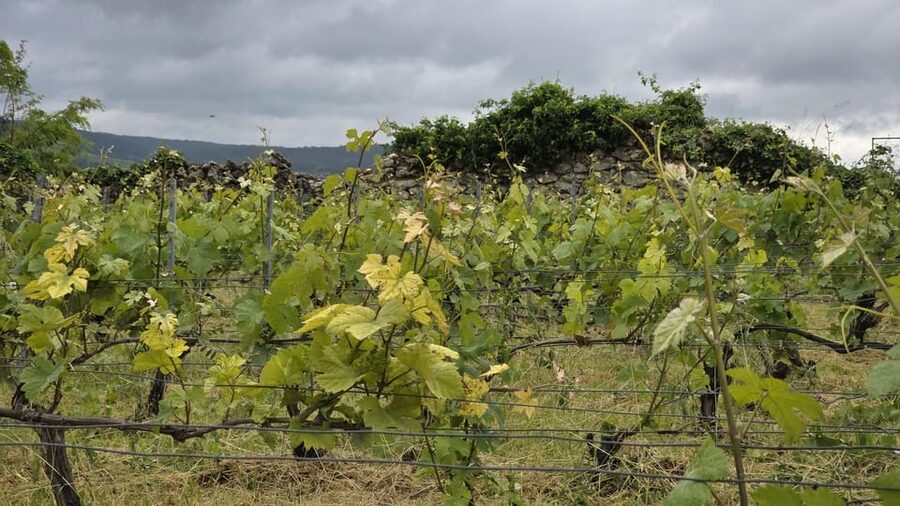
From there, the guide takes you through the vineyard. The walk gives you a chance to see the setting behind the bottles and ask how farming decisions affect the final wine. The producer’s commitment to biodiversity and sustainable viticulture is central to the explanation, so the experience suits you if you want to understand farming rather than only compare aromas in a glass.
The walk is not long enough to become a vineyard hike, but it is still a real outdoor portion. Wear shoes that can handle uneven ground. If you prefer a completely indoor tasting, this is not the right format.
More Champagne houses and Grand Cru slopes:
- Epernay: Jeep tour of the vineyards with tasting and visits
★ 5.0 · 70 reviews - Gourmet walk in the heart of the vineyards with Champagne tasting near Epernay
★ 5.0 · 45 reviews - Champagne tasting, panoramic walk in the vineyards
★ 5.0 · 42 reviews
Why terroir matters in this Champagne visit
Terroir can become a vague wine word unless someone connects it to a place. Here, the guide links the character of each cuvée to soils in Mareuil-le-Port, Épernay, and Tours-sur-Marne.
You will not simply hear that each village is different and then move on. The point is to watch how a small producer thinks about origin, farming, and blending. The visit gives you a useful frame for the tasting: instead of asking only if you like a Champagne, you can consider what the soil and growing site bring to it.
That makes this experience more valuable for curious drinkers than for someone who wants only a scenic stop. I like the fact that biodiversity is part of the conversation. Sustainable farming is not treated as a fashionable side note. It is presented as part of the producer’s daily responsibility to the vines and the land.
The information is still delivered during a 90-minute visit, so do not expect a full wine course. You will get an accessible introduction to how soil, grapes, cellar work, and blending meet in the bottle.
Inside the historic cellar
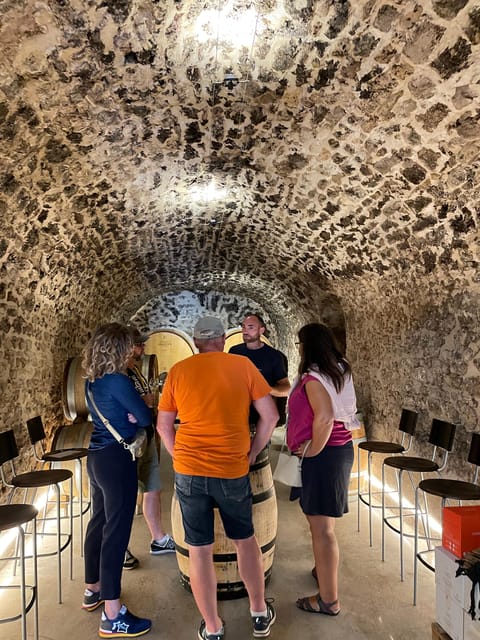
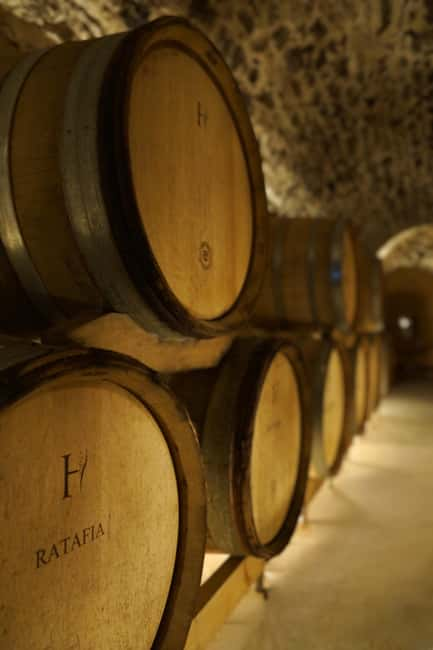
The cellar is the next major stop. Its cool underground air changes the mood immediately, and the setting helps explain why cellar work matters to Champagne production.
Your guide describes the stages behind the wine and the decisions that shape the final cuvée. This is where you can ask practical questions about production, aging, and the role of the cellar in turning still wine into Champagne. The visit is designed to reveal the producer’s methods, not just display equipment.
The cellar may be the most useful part for first-time Champagne drinkers. In a tasting room, it is easy to think of Champagne as a finished luxury product. Among the bottles and cellar spaces, you get a clearer sense of the time and care behind it.
There are stairs to reach the cellar and the tasting room. One particularly useful detail from the visit feedback is that the walking and stairs are noticeable, so choose comfortable footwear and allow extra care if stairs are difficult for you. Children can come along, but this is not built as a child-focused attraction.
The tasting: Champagne and Ratafia Champenois
The final tasting includes Champagne and the estate’s Ratafia Champenois. That second drink is an important part of the experience because it expands the conversation beyond the familiar sparkling bottle.
Ratafia Champenois is a regional wine-based drink with a different role and taste from Champagne. Sampling both lets you compare the estate’s approach across two local products. The guide also introduces the art of tasting, so you can pay attention to aroma, texture, sweetness, and finish rather than simply deciding if a wine tastes good.
I would approach the tasting with an open mind and modest expectations. The price is $28 per person, which is reasonable if you value the vineyard walk, cellar visit, guide, and two-style tasting as one package. It is less convincing if you judge the cost only by the amount of wine poured or expect a long, elaborate tasting flight.
One account found the Champagne too expensive for what was served and felt that the presentation did not match expectations. That criticism matters. Small family producers can offer a personal visit, but they do not always provide the volume or range of a large commercial cellar tour. If you are mainly hunting for the best bargain on bottles, compare prices before buying.
For me, the value rests in the explanation. The tasting makes more sense after you have seen the vines, heard about the soils, and learned how the cellar contributes to the finished wine. The bottle is only one part of what you are paying for.
Other vineyard visits we rate around France
- Saint-Émilion: Grand Cru Classé Winery Visit and Tasting
★ 4.6 · 1,118 reviews - Saint Emilion Half-Day Trip with Wine Tasting & Winery Visit from Bordeaux
★ 4.5 · 1,034 reviews - Saint-Émilion: Bordeaux Vineyard Tour and Wine Tasting
★ 4.8 · 578 reviews - Bordeaux: Vineyards Wine Tasting Half-Day Trip
★ 4.2 · 470 reviews
Guides who bring the visit to life
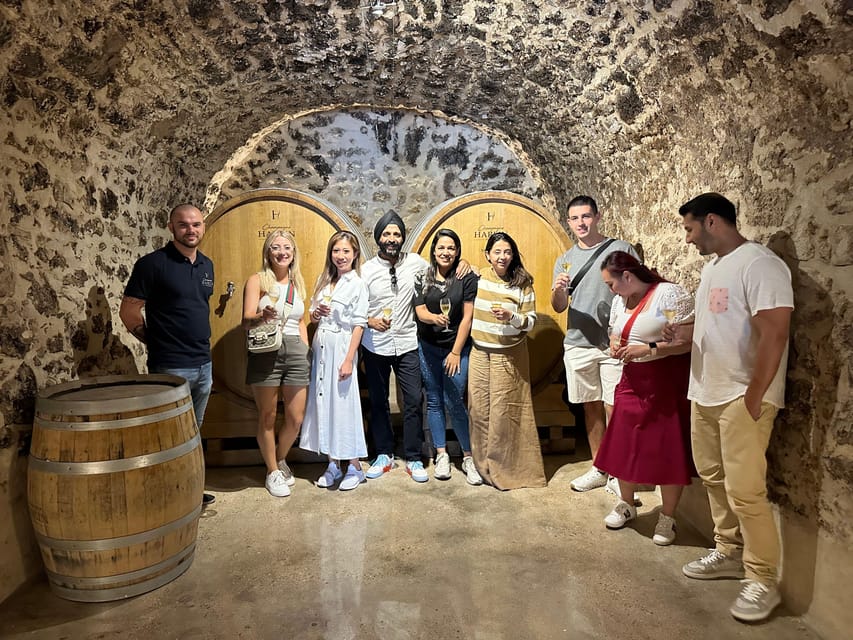
The quality of this experience depends heavily on the guide. Recent visits have been led by Sarah and Chléo, and the strongest feedback highlights clear explanations, enthusiasm, patience, and a willingness to answer questions.
That is exactly what you want in a producer visit. Champagne production has enough technical language to overwhelm a newcomer, but a good guide can keep the subject practical. You should come away knowing more about the vineyard, the cellar, and the tasting without feeling as though you attended a lecture.
English and French are available. If you have a particular interest in organic farming, soil, or production methods, ask about it during the visit. The format is small-producer and personal enough that questions are part of the appeal.
The experience is not guaranteed to feel identical every day. Guide style, group size, and the rhythm of the estate’s work can affect the visit. One booking happened to feel almost private, with two guides providing extra attention. You should enjoy that when it occurs, but do not book on the assumption that every departure will be private.
A 90-minute visit with a few practical wrinkles
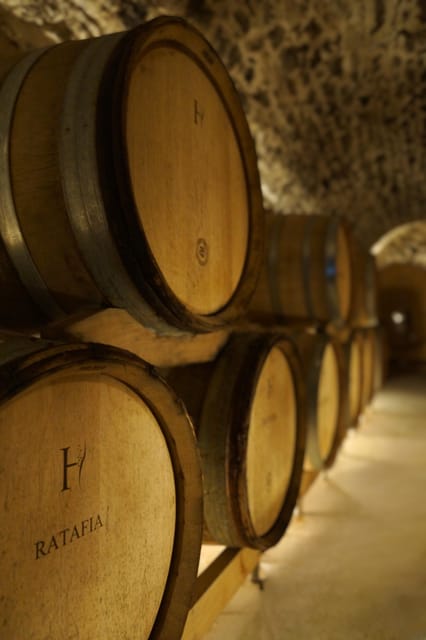
The advertised duration is 90 minutes. The activity begins and ends at the same address, 8 Rue de la Fontaine, which keeps the logistics simple. Enter the courtyard of Champagne Harlin and wait for the guide if nobody is immediately visible.
The timed sections are described as a guided portion, a cellar and estate visit, and a tasting. One schedule contains an obvious timing typo that lists a 45-hour guided tour, but the stated total duration is 90 minutes. Treat the experience as a one-and-a-half-hour visit, not an all-day outing.
That length works well in a Champagne itinerary. You get enough time to move from garden to vines to cellar without turning the visit into a half-day commitment. You can pair it with other stops in the Grand Est region, but allow a little breathing room around the appointment rather than racing in from another town.
The visit is conducted on foot within the estate. Since there is a vineyard walk and stairs, practical clothing matters more than dressing for a formal tasting. Comfortable shoes will make the experience better.
The provider offers free cancellation up to 24 hours before the visit and allows you to reserve without paying immediately. Those terms help if your regional plans are still shifting, though you should confirm the available starting time when booking.
Bringing children to the tasting
Children under 18 may accompany adults without needing a ticket. They cannot drink alcohol under French law, but fruit juice can be provided.
That makes the visit possible for families, though parents should think about the format. The experience includes a walk, cellar stairs, production explanations, and an adult tasting. It is not designed around children’s entertainment.
If your children are comfortable with a quiet cultural visit, they can join the family outing. Keep them with you around the cellar and make clear that the tasting is for adults. The no-alcohol rule is straightforward, and the fruit juice option means young visitors are not left without a drink.
Alcohol and drugs are not allowed beyond the tasting itself, and you should arrive ready for a responsible wine experience.
Who will enjoy Champagne Harlin most
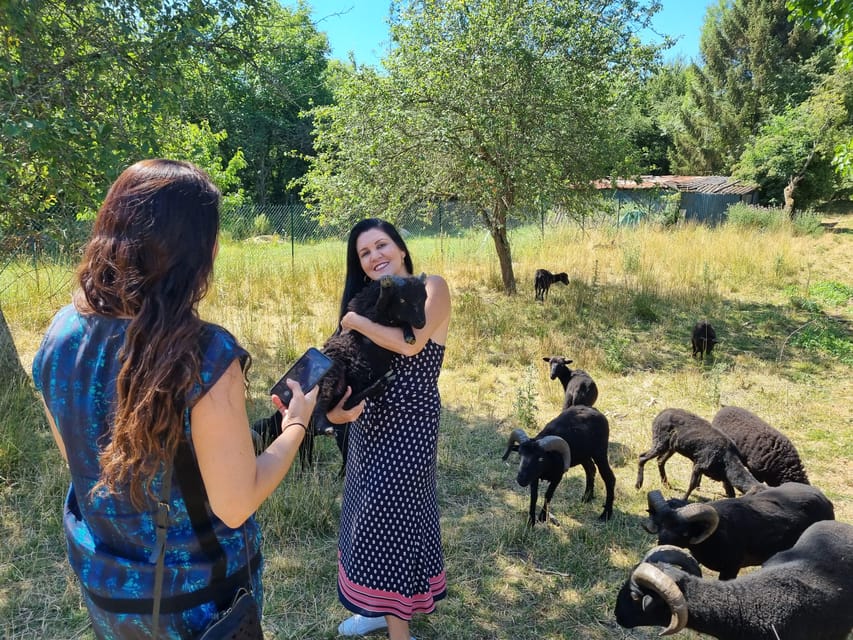
I would choose this visit if you want to meet a producer and understand the connection between farming and flavor. It works especially well for:
- First-time Champagne visitors who want a clear introduction to production
- Wine drinkers interested in organic and sustainable viticulture
- Couples looking for a personal estate visit instead of a large branded house
- Visitors curious about Ratafia Champenois
- Families who need a child-friendly option without requiring a separate child ticket
- People who value a guide’s explanation as much as the tasting itself
I would think twice if your main goal is a large tasting selection, a grand cellar complex, or a guaranteed private appointment. You may also find the $28 price harder to justify if you do not care about the vineyard and cellar portions.
The rating of 4.4 from 52 bookings suggests a generally strong experience, but the mixed response is useful. Most of the value comes from the combination of place, people, and explanation. It is not simply a ticket for several generous pours.
How it compares with a standard Champagne tasting
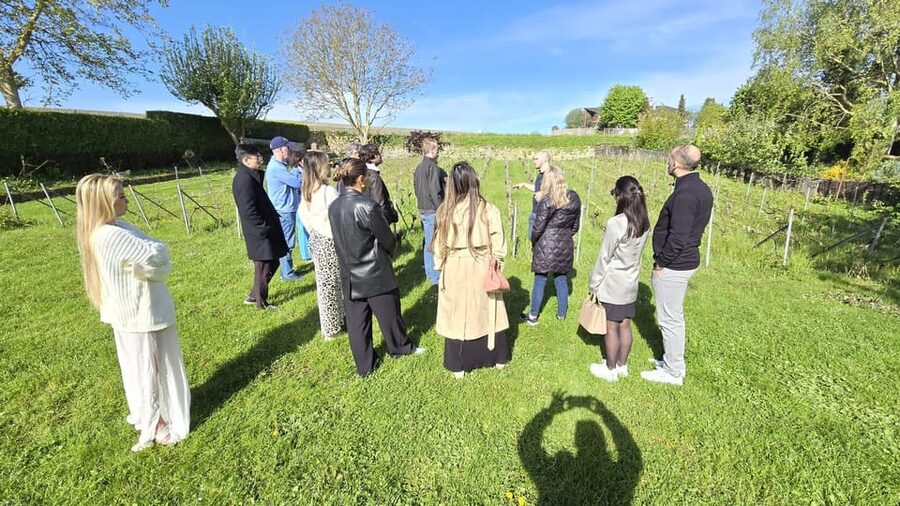
A basic tasting can be pleasant, but it often leaves you with a glass and a few production facts. Champagne Harlin gives you a story that follows the bottle from old vines to cellar to table.
That makes the visit more memorable for me. You see the family garden, walk through the vines, stand in the cellar, and then taste the results. The sequence helps you understand why the producer talks about soil and biodiversity.
At the same time, this is a small-producer experience, and that has limits. You may not see the scale or polished presentation found at a major Champagne house. The visit’s charm depends on the guide and the estate’s working rhythm. One negative account felt that parts of the presentation looked staged and that the tasting did not meet the price expectation. I would keep that possibility in mind and choose this tour for its personal, agricultural focus rather than for spectacle.
Should you book Champagne Harlin?
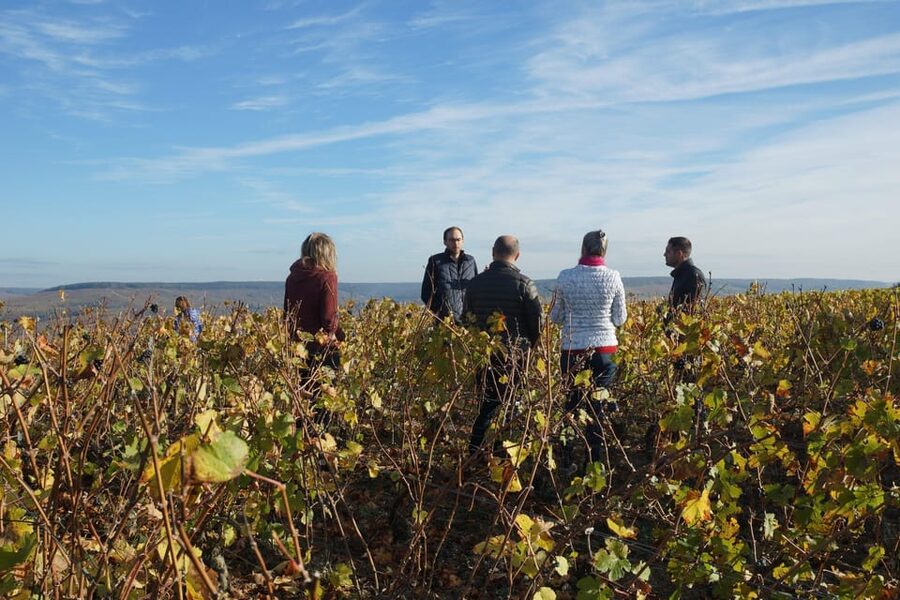
Book it if you want a focused introduction to Champagne that puts the vineyard first. The old vines, family setting, cellar visit, biodiversity message, and Ratafia Champenois make it more distinctive than a tasting alone.
At $28, I see fair value for the 90-minute combination of guide, walking tour, cellar visit, and tasting. Just keep your expectations realistic. The tasting may be modest, and the experience includes stairs and outdoor walking.
For a first visit to the Champagne region, I would choose Champagne Harlin if you prefer a direct meeting with a producer over a grand commercial attraction. Wear comfortable shoes, arrive at the courtyard on time, and treat the tasting as the final chapter of a farm-to-cellar visit.
FAQ
Where does the Champagne Harlin experience begin?
The meeting point is the courtyard of Champagne Harlin Père & Fils at 8 Rue de la Fontaine. The visit also returns to this address.
How long does the experience last?
The stated duration is 90 minutes. The schedule includes a guided visit, an estate and cellar visit, and a Champagne tasting.
What languages are available?
The tour guide can conduct the experience in English or French.
What does the tasting include?
The tasting includes Champagne and Ratafia Champenois, along with wine and tasting guidance.
Can children attend?
Yes. Children under 18 may accompany adults without a ticket. They cannot drink alcohol, but fruit juice can be provided.
Are there stairs or walking involved?
Yes. The experience includes a walk in the vineyards and stairs for the cellar and tasting room.
Can I cancel the booking?
You can cancel up to 24 hours in advance for a full refund. You can also reserve now and pay later.
Newly reviewed vineyards around France
- Vosne-Romanée: Private Vineyards Walking Tour with Tasting★ 4.4 · 9 reviews
- Vineyard of the Alpilles by bike★ 4.6 · 8 reviews
- Vineyard tour and wine tasting in Davron★ 4.5 · 7 reviews
- Private Vineyard Tour and Wine Tasting in Bandol★ 5.0 · 16 reviews
- Vineyard visit in Gyropode, visit of Cave & Tasting Wines of Bandol★ 5.0 · 19 reviews
- Bike ride on the Wine Route from Sélestat★ 5.0 · 5 reviews
- Horse riding in the vineyards of Grimaud + wine tasting★ 5.0 · 3 reviews
- 1/2 day private Vintage tour, vineyards of Saint-Tropez★ 5.0 · 6 reviews
France Vineyard Tours, compared.
Saint-Émilion: Grand Cru Classé Winery Visit and Tasting
Read our review →
Saint Emilion Half-Day Trip with Wine Tasting & Winery Visit from Bordeaux
Read our review →
Saint-Émilion: Bordeaux Vineyard Tour and Wine Tasting
Read our review →
Saint-Émilion: Vineyard Walking Tour and Tasting
Read our review →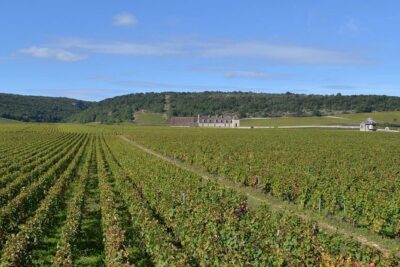
Small-Group Full-Day Tour of Côte de Nuits, Côte de Beaune Vineyards and Beaune Historical District
Read our review →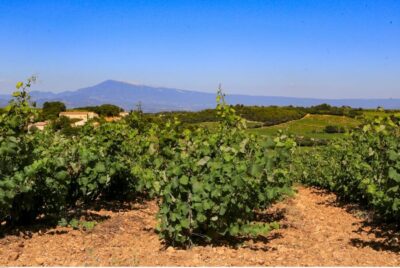
Lists this tour appears in