
Review · REIMS
Vineyard and Triple Tasting First Cru in the Mountains of Reims
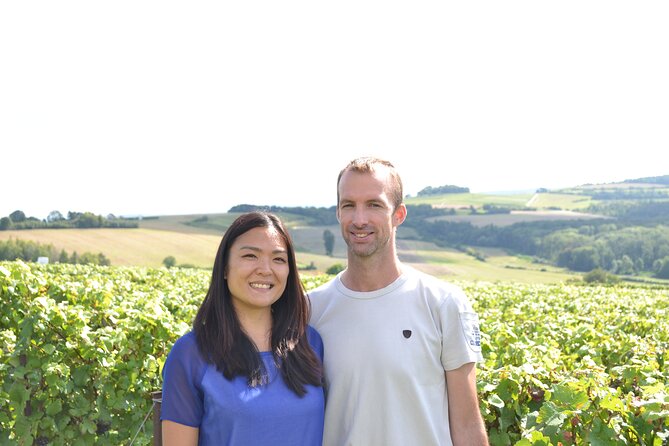
The best part of this Champagne experience happens before the first sip. You stand in the middle of a Chardonnay 1er Cru vineyard with views across ten hectares, toward the western Montagne de Reims and the Cathedral of Reims. It gives the wine a sense of place that a tasting room alone cannot provide.
I like the clear tasting method and the family-run setting. Marie Lallement explains Champagne through the eye, nose, and mouth, then lets you choose three cuvées from four options. The only real limitation is time: one hour goes quickly, and there is no food included.
I also like the small size. With a maximum of eight people, you can ask questions without shouting across a crowded cellar. This is a focused introduction to grower Champagne, not a long winery tour with several production rooms.
Key points to know before booking
- Taste in the vineyard: The opening takes place among the estate’s Chardonnay vines, with views of the Montagne de Reims and Reims Cathedral.
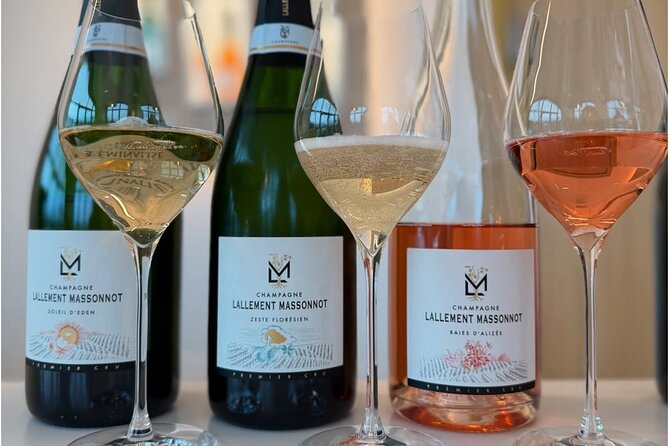
- Choose three cuvées: Select three wines from Sun D’eden, Floresian Zest, Baies d’Alizés, and Vintage 2020.
- Use a simple tasting method: Marie guides you through appearance, aroma, and taste, including the hand movements used by sommeliers.
- Keep the group small: The experience accepts no more than eight people, which suits visitors who prefer personal attention.
- Plan for a short, focused visit: The tasting lasts about one hour and includes Champagne only, with no snacks.
- Know the alcohol rule: Champagne is served only to people aged 18 and over. Minors receive soft drinks.
A vineyard setting above the ordinary tasting room
The visit begins at Champagne Lallement Massonnot, 35 Rue Haute in Coulommes-la-Montagne, a village near Reims. You meet at the winery and finish there, so the plan is simple once you arrive.
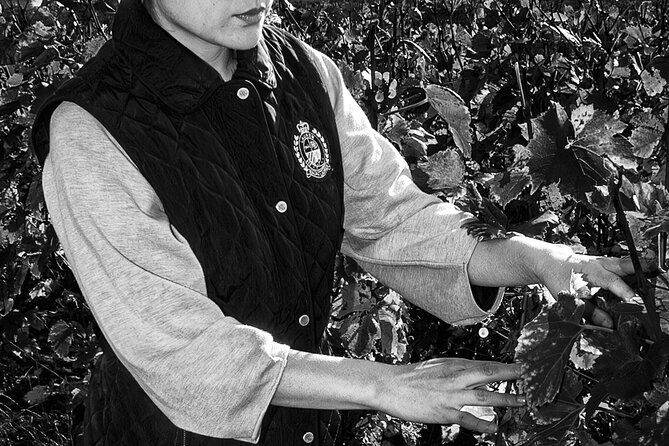
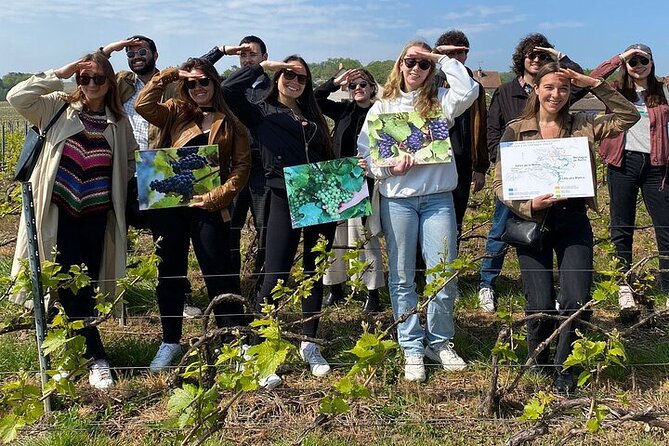
The first section takes place in the estate’s Chardonnay plot. This is more than a pretty backdrop. Looking across the ten hectares while hearing how the family works helps connect the bottle in your hand to the land around you.
The views are a major reason to choose this visit. You can see toward the western side of the Montagne de Reims and, from the vineyard, the Cathedral of Reims. That combination gives you both sides of the Champagne story: the rural source of the grapes and the famous city associated with the region.
I would allow a little extra time before the start to find the meeting point calmly. The supplied details identify the winery address, but they do not promise transport from Reims or explain parking. You should arrange your own way to Coulommes-la-Montagne rather than assume a pickup is included.
More Champagne houses and Grand Cru slopes:
- Epernay: Jeep tour of the vineyards with tasting and visits
★ 5.0 · 70 reviews - Champagne Vineyard Experience: Delve into the terroir
★ 4.4 · 52 reviews - Gourmet walk in the heart of the vineyards with Champagne tasting near Epernay
★ 5.0 · 45 reviews
Marie Lallement puts the bottle in context
Marie Lallement leads the experience, and her approach is personal rather than formal. The introduction covers the main economic players in Champagne, the meaning of terroir, and the history behind the region’s wine trade.
That context matters because Champagne is not simply a drink made from grapes. The final bottle reflects decisions made by growers, houses, cooperatives, and individual winemakers. You learn where a small family estate fits within that larger system and what it takes for a grower to make its own identity known.
The discussion also focuses on the estate’s strengths as a winemaker. You are not just handed three glasses and asked which one you prefer. The point is to understand how the producer presents its fruit, vineyard character, and house style.
The family connection comes through in the tone of the visit. It feels suited to someone who wants a direct conversation about wine rather than a polished factory-style presentation. One useful detail from the estate’s hospitality is its attention to individual needs during the tasting. That can make a difference if your group has different levels of wine experience.
The three-step method: eye, nose, and mouth
The tasting follows three basic stages. This is useful even if you know little about wine because it gives you a way to slow down and notice what is in the glass.
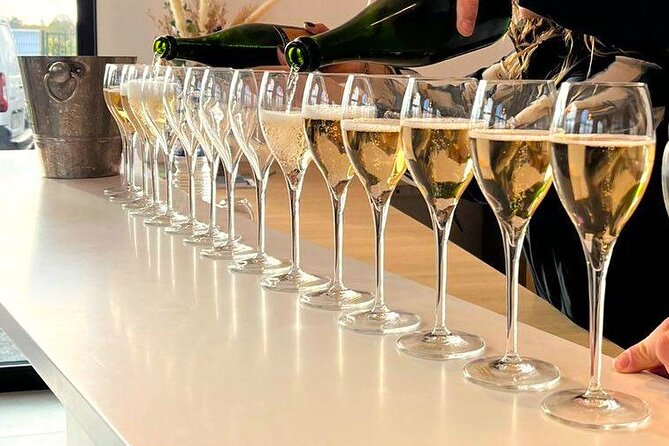
First comes the eye. You look at the Champagne’s color, clarity, and bubbles. This does not tell you everything, but it prepares you to compare the cuvées before tasting them.
Next comes the nose. You smell the wine before taking a sip, paying attention to its aromas. Marie also explains the gestures associated with professional tasting, so you learn how to handle the glass and assess the wine without turning the process into a performance.
Finally comes the mouth. You taste the Champagne and consider its balance, texture, finish, and overall character. The three steps are simple enough to remember after the visit, which makes this more useful than a tasting built around a string of technical terms.
The order of the wines also matters. The experience is designed to move through the styles without tiring your palate. Since you choose three cuvées from four, you have some control over the comparison while still following a sensible progression.
Four cuvées, three choices
The estate offers four cuvées for the tasting, but you select three with your companion or group:
- Sun D’eden
- Floresian Zest
- Baies d’Alizés
- Vintage 2020
The supplied details do not assign specific grape blends, sweetness levels, or flavor profiles to each wine, so you should not book this expecting a published tasting chart. The value is in tasting the wines side by side and discussing how they differ under Marie’s guidance.
The choice of three from four adds a small but welcome personal element. If your group has varied tastes, you can talk through which bottles sound most interesting. If you know little about Champagne, Marie’s explanation helps keep the choice from feeling like a guess.
I would avoid treating this as a chance to sample the entire range. You will taste three wines, not all four, and the experience lasts about an hour. That is enough for a thoughtful introduction, but not enough for a full survey of the estate.
Vintage 2020 may attract visitors interested in a particular year, while the other cuvées let you compare different expressions from the producer. The key benefit is not simply the number of labels. It is learning to notice differences rather than drinking each glass without a point of comparison.
Other vineyard visits we rate around France
- Saint-Émilion: Grand Cru Classé Winery Visit and Tasting
★ 4.6 · 1,118 reviews - Saint Emilion Half-Day Trip with Wine Tasting & Winery Visit from Bordeaux
★ 4.5 · 1,034 reviews - Saint-Émilion: Bordeaux Vineyard Tour and Wine Tasting
★ 4.8 · 578 reviews - Bordeaux: Vineyards Wine Tasting Half-Day Trip
★ 4.2 · 470 reviews
Why the small group size matters
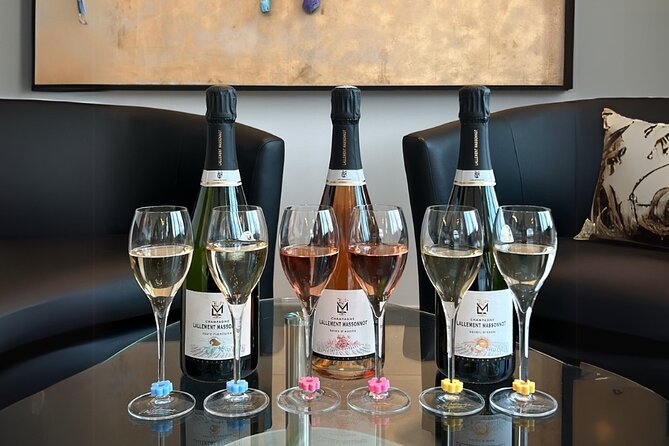
The maximum group size is eight people. That number keeps the session intimate without making it private.
A small group is especially helpful during a wine tasting. You can hear the explanation, ask about the vineyard, and discuss what you are smelling or tasting. It also gives Marie more room to adapt the conversation to the people in front of her.
This is a good match for couples, friends, and small family groups. The tasting format specifically allows you to choose the three cuvées with your companion or group, so the shared decision becomes part of the visit.
The tradeoff is that the experience may feel less suitable if you want a large, highly scripted attraction with many rooms and displays. Nothing in the description suggests a lengthy cellar route, equipment demonstration, or food pairing. The focus is the vineyard setting, the producer’s story, and the three-glass tasting.
What the $30.04 price really buys you
At $30.04 per person, the cost is reasonable for a one-hour Champagne experience that includes three alcoholic tastings and a guided lesson. You are paying for more than the wine itself. The price also covers the setting, the producer’s time, and the chance to ask questions in a small group.
The value is strongest if you care about understanding what you drink. A casual glass of Champagne in Reims may cost a similar amount, but it will not necessarily include a vineyard visit, a discussion of grower economics, or a structured tasting method.
The value is weaker if you want a meal, a long production visit, or a full bottle included. Snacks are not part of the experience, and there is no indication that transportation or food pairing comes with the fee.
Think of this as a compact introduction rather than a half-day wine excursion. It works well before another activity in the Reims area. You get a clear sense of the estate and its wines without committing several hours of your day.
The setting makes the lesson easier to remember
Wine explanations can become abstract when you hear them indoors. Here, the vineyard gives the conversation a physical reference point.
When Marie discusses terroir, you are looking at the vines and the surrounding countryside. When she explains how a small winemaker finds a place in Champagne, you are standing at the source of that producer’s work. The view toward Reims Cathedral adds a useful sense of geography, linking the village estate to the city’s major landmark.
The setting also gives the visit a relaxed rhythm. You are not rushing from one display to another. The experience stays in one place, which is practical for a short appointment and easier for anyone who prefers a calm pace.
Weather may affect how comfortable the vineyard portion feels, but the provided information does not specify an indoor backup or seasonal arrangements. Dress for the conditions and be ready for the visit to make use of the outdoor setting.
What to expect if you do not know Champagne
You do not need advanced wine knowledge. The eye, nose, and mouth method gives you a starting point, and the conversation about Champagne’s economic structure helps explain why different producers can make very different wines in the same region.
You may hear terms such as terroir, cuvée, 1er Cru, and grower Champagne. The important thing is not memorizing every definition. It is understanding that vineyard location, producer choices, and blending decisions all shape the finished bottle.
This format also works for people who already drink Champagne. You can use the hour to ask more specific questions about the estate’s style and compare the four named cuvées. The visit is not presented as a beginner-only lesson.
The tasting method is practical enough to use later. At a restaurant or wine shop, you can look at a wine, smell it, and taste it with more purpose. That is a better souvenir than a pile of technical notes.
Practical details that affect your visit
The experience is offered in English, and confirmation is provided when you book. A mobile ticket is accepted, which makes the arrival process straightforward.
The meeting point is Champagne Lallement Massonnot Winery, 35 Rue Haute, 51390 Coulommes-la-Montagne, France. The activity ends at the same place. Since no transfer service is listed, you need to plan your own transport to and from the winery.
Alcohol is served only to people aged 18 and over. Minors receive soft drinks instead. This is important for families, especially if someone under 18 is joining the group and expects to taste the Champagne.
Service animals are allowed, and unassisted dogs are allowed throughout the visit. The experience accepts up to eight people, so check the group size before booking if you are arranging a larger party.
Free cancellation is available if you cancel at least 24 hours before the local start time. Cancellations or changes made later are not accepted for a refund.
Who should book this Champagne tasting
I would choose this experience if you want a short introduction to Champagne that feels connected to the vineyard. It is especially good for:
- Couples who want a shared tasting with some choice in the wines
- First-time visitors to the Champagne region
- Wine drinkers curious about small family estates
- People who enjoy views and conversation as much as formal sightseeing
- Visitors with only an hour to spare near Reims
- Small groups that prefer personal attention
I would look elsewhere if your main goal is a full production tour, a meal with Champagne pairings, or a large selection of wines. The experience is deliberately compact, and the absence of snacks may matter if you are planning it around lunch.
The high satisfaction record, with a 5 rating from 33 published responses and full recommendation from those respondents, fits the experience’s strengths: warm hosting, clear instruction, quality Champagne, and the vineyard view. The praise also points to the way Marie adjusts the visit to the group rather than delivering a one-size-fits-all script.
My call: a smart one-hour choice near Reims
Book this if you want to understand Champagne through one producer, one vineyard setting, and three carefully chosen glasses. The views, family welcome, and simple tasting structure make it feel more personal than a basic bar tasting.
Just arrive with the right expectations. This is not a full-day tour, there are no snacks, and the price does not include a broad production visit. For $30.04, though, you get a focused lesson, three cuvées, a small group, and a useful connection between the glass and the land around it.
FAQ
Where does the Champagne tasting take place?
It takes place at Champagne Lallement Massonnot Winery, 35 Rue Haute, 51390 Coulommes-la-Montagne, France.
How long does the experience last?
The experience lasts approximately one hour.
How many Champagnes do I taste?
You taste three Champagnes.
Which cuvées can I choose from?
You can choose three from Sun D’eden, Floresian Zest, Baies d’Alizés, and Vintage 2020.
Is the tasting offered in English?
Yes, the experience is offered in English.
What does the visit include?
It includes three Champagne tastings and an introduction to Champagne, terroir, history, and the work of winemakers.
Are snacks included?
No. Snacks are not included.
How old must I be to drink the Champagne?
Alcoholic beverages are served only to people aged 18 and over. Minors receive soft drinks.
How large can the group be?
The maximum group size is eight people.
Can I bring a dog?
Service animals are allowed, and unassisted dogs are allowed throughout the visit.
Where does the activity finish?
The activity ends back at the winery meeting point.
Can I cancel for a full refund?
Yes, if you cancel at least 24 hours before the experience start time. Changes or cancellations made less than 24 hours before the start are not accepted for a refund.
Newly reviewed vineyards around France
- Vosne-Romanée: Private Vineyards Walking Tour with Tasting★ 4.4 · 9 reviews
- Vineyard of the Alpilles by bike★ 4.6 · 8 reviews
- Vineyard tour and wine tasting in Davron★ 4.5 · 7 reviews
- Private Vineyard Tour and Wine Tasting in Bandol★ 5.0 · 16 reviews
- Vineyard visit in Gyropode, visit of Cave & Tasting Wines of Bandol★ 5.0 · 19 reviews
- Bike ride on the Wine Route from Sélestat★ 5.0 · 5 reviews
- Horse riding in the vineyards of Grimaud + wine tasting★ 5.0 · 3 reviews
- 1/2 day private Vintage tour, vineyards of Saint-Tropez★ 5.0 · 6 reviews
Reims Vineyard Tours, compared.
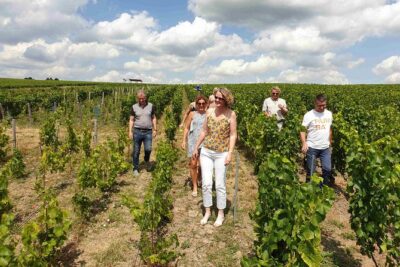
Gourmet walk in the heart of the vineyards with Champagne tasting near Epernay
Read our review →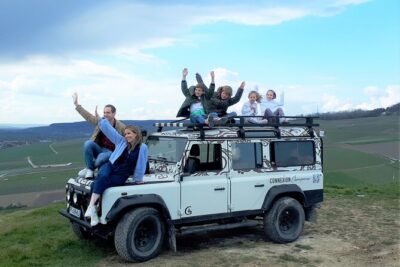
Champagne tasting, panoramic walk in the vineyards
Read our review →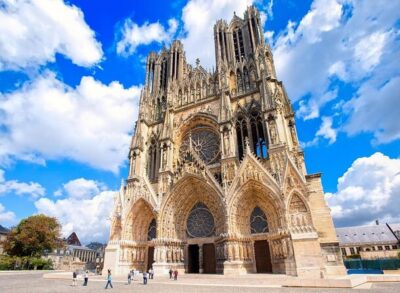
Exclusive Champagne Cellars & Dom Perignon Vineyards tour
Read our review →
Reims: Champagne House Mumm, Winery Visit with Lunch
Read our review →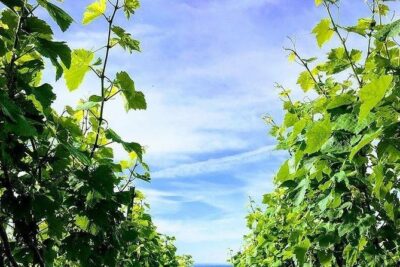
Champagne Lamiable: Stroll and taste in the Grand Cru Champagne vineyard
Read our review →
Lists this tour appears in