
Review · REIMS
Let’s take a walk in the vineyards
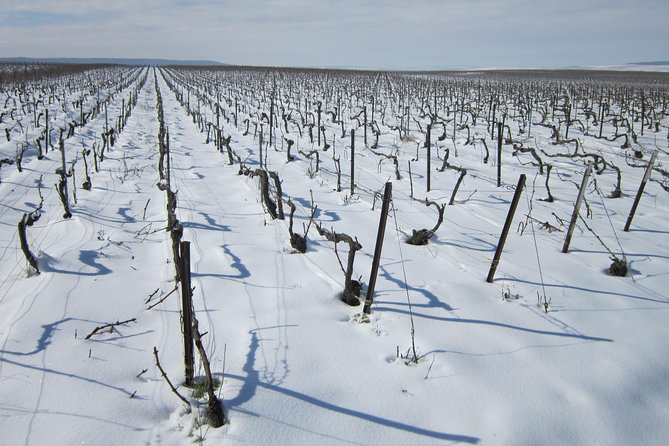
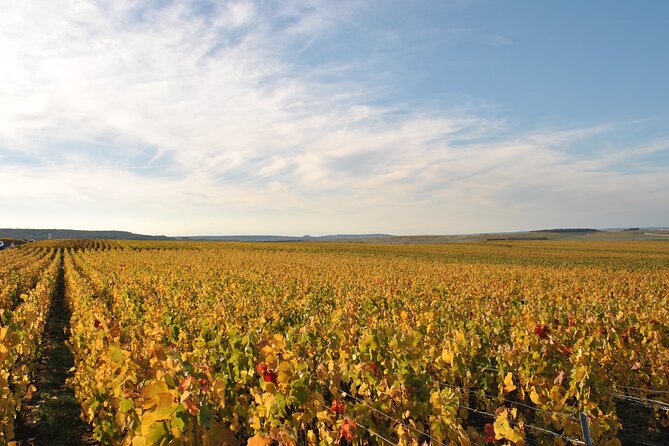
The best part of this experience happens before the first glass is poured. You walk through the Grand Cru vineyards of Mailly-Champagne, where the guide explains pruning, harvest work, soil, terroir, and the seasonal life of the vines. I like that the tasting comes after the walk, when you have a better sense of what is in your glass.
I also like the small scale, with no more than 20 people, and the practical teaching. Guides such as Lydie explain the work in the vineyard in clear, concrete terms and can offer ideas for other visits in the region. The main drawback is simple: the tasting room has been described as a little tired and unwelcoming, and the tour depends on good weather.
Key points
- Grand Cru setting: The walk takes place at Champagne Christian Muller in Mailly-Champagne, a village known for its Grand Cru vineyards.
- Season-by-season view: You learn how pruning, growing, and harvest shape the grapes used for Champagne.
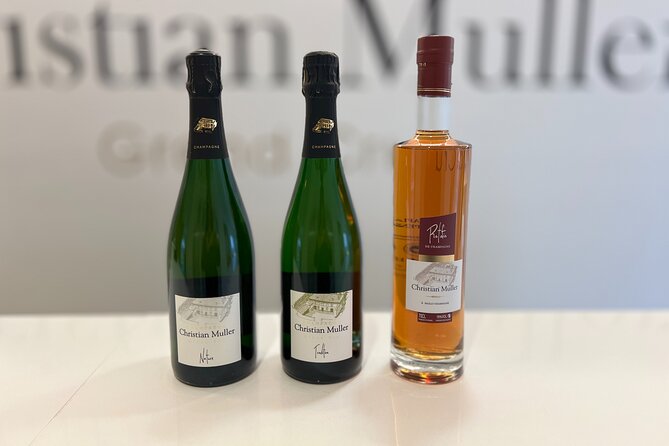
- Tasting with context: The experience ends with two champagnes and the house’s champagne ratafia.
- Personal guiding: Lydie has led tours with practical explanations and useful advice for planning time in Champagne.
- Small group size: The maximum is 20 people, so the walk should feel more personal than a large cellar visit.
- Weather matters: Poor weather can lead to a new date or a full refund, and the walk itself is best suited to a dry day.
Walking through Mailly-Champagne’s Grand Cru vines
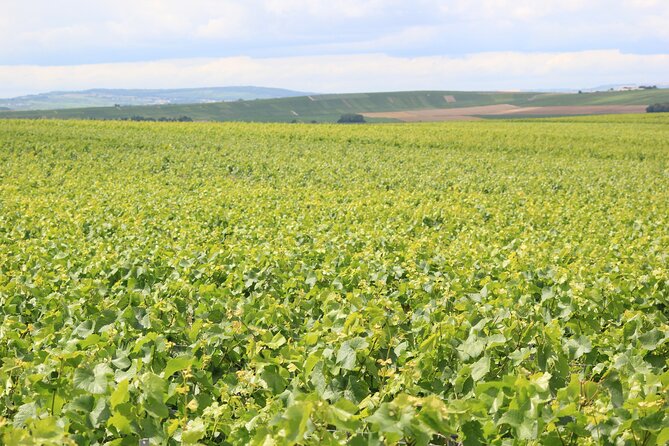
This is a vineyard walk first and a tasting second. That order matters. Instead of starting with a glass and a general speech about Champagne, you begin among the vines and learn what vineyard work actually involves.
The meeting point is 35 Rue de la Libération in Mailly-Champagne, a village in the Reims area. From there, the guided route takes you into the surrounding vineyard parcels. The focus is not on rushing from one photo stop to another. It is on seeing the vines up close and understanding why each plot can produce grapes with its own character.
You will hear about the soil and terroir, along with the features that make Champagne different from an ordinary wine-growing area. The guide explains why the producer treats each parcel as something worth paying attention to. That is useful context because Champagne is often sold through famous names and polished labels, while the work begins much earlier, in the soil and among the rows of vines.
The walk lasts about 90 minutes. That is long enough for a proper introduction without taking up half your day. You still have time for Reims, Épernay, another winery, or a relaxed meal afterward.
Other vineyard visits we rate around France
- Saint-Émilion: Grand Cru Classé Winery Visit and Tasting
★ 4.6 · 1,118 reviews - Saint Emilion Half-Day Trip with Wine Tasting & Winery Visit from Bordeaux
★ 4.5 · 1,034 reviews - Saint-Émilion: Bordeaux Vineyard Tour and Wine Tasting
★ 4.8 · 578 reviews
What the vines teach you about Champagne
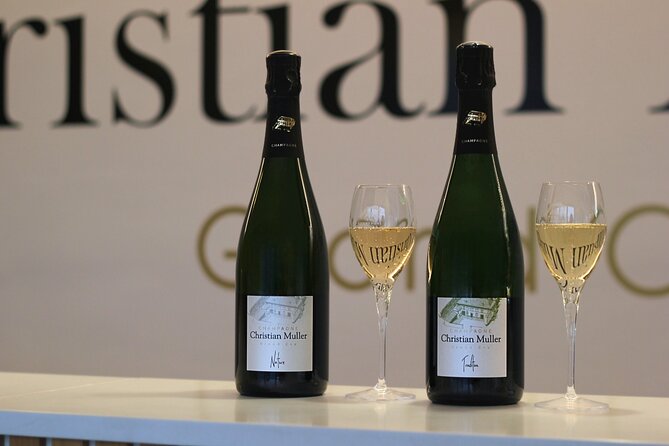
The most useful part of the tour is its focus on the full growing cycle. You learn about vineyard work from pruning to harvest, rather than hearing only about the finished bottle.
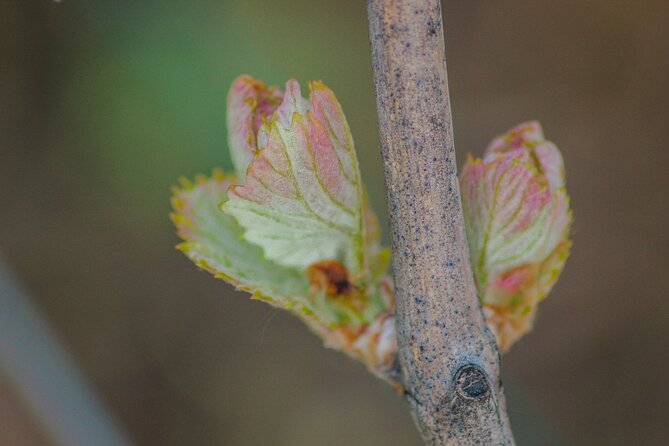
Pruning is an important starting point. The way vines are cut helps control future growth and fruit production. During other parts of the year, the work changes as the plants grow, grapes develop, and the producer prepares for harvest. The guide connects those jobs to the final wine, so the vineyard does not feel like a decorative backdrop.
You also learn how the vines evolve through the seasons. That makes this a more worthwhile choice for anyone who wants to understand Champagne rather than simply sample it. The tour gives you a basic framework for reading the rows of vines: what the workers are doing, why timing matters, and how the grapes become the starting point for a cuvée.
I especially like that the teaching is described as concrete rather than overly technical. Lydie, one of the guides, has explained the work with enthusiasm and offered useful suggestions for other places to visit in the region. If you are building a Champagne itinerary, that kind of local advice can be as useful as the formal tour itself.
Why the Grand Cru label matters here
Mailly-Champagne is presented as a Grand Cru terroir, and the guide explains why that designation matters. The term does not mean every bottle will suit every palate, but it does point to the standing of the village and its vineyards within Champagne’s classification system.
You are not simply walking through anonymous farm rows. The purpose of the visit is to connect the village, the parcels, the soil, and the house’s winemaking methods. Each plot is treated as a distinct part of the estate, which gives the walk a sense of place that a generic tasting room visit may lack.
That is also why the guide’s explanation of terroir is valuable. Terroir can sound like a vague wine word when it is left unexplained. Here, you are shown how the producer thinks about the relationship between soil, vines, seasonal work, and grapes. You may not leave able to identify every soil type, but you should have a clearer idea of why Champagne producers talk so much about individual parcels.
From vineyard work to Champagne making
The tour does not stop with farming. It also covers the techniques used to make Champagne and the story of Champagne Christian Muller.
The exact cellar process is not laid out in detail, so you should not book this expecting a long technical cellar lecture. The emphasis is broader: how the vineyard work supports the wine, how Champagne is made, and how the house’s approach fits into the region.
That balance suits many people. If you are new to Champagne, you get enough background to make the tasting meaningful. If you already know the basics of secondary fermentation, bottle aging, and blending, you may find the vineyard section more informative than the production overview.
The experience also helps explain why a bottle of Champagne reflects more than the final blending and bottling stages. The condition of the grapes begins with choices made months before harvest. Pruning, plot selection, seasonal care, and harvest all shape the raw material that becomes the house’s cuvées.
Same grapes, a different estate to taste:
- Bordeaux: Vineyards Wine Tasting Half-Day Trip
★ 4.2 · 470 reviews - Half-Day Wine tour across Bordeaux’s Vineyards
★ 3.5 · 429 reviews - Saint-Émilion: Vineyard Walking Tour and Tasting
★ 5.0 · 404 reviews - Small-Group Full-Day Tour of Côte de Nuits, Côte de Beaune Vineyards and Beaune Historical District
★ 5.0 · 364 reviews
The tasting: two champagnes and champagne ratafia
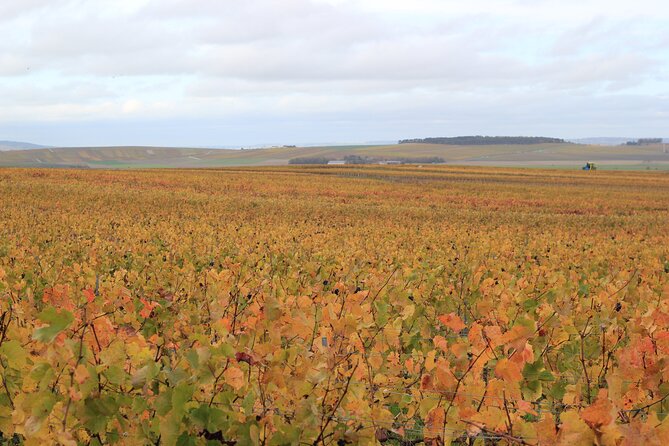
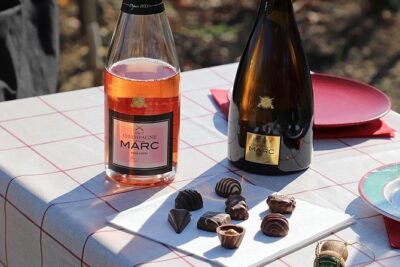
After the walk, you sit down for a tasting of two champagnes and the house’s champagne ratafia. This is not a separate add-on. It is included in the experience and serves as the practical finish to the lesson.
Tasting after the vineyard visit gives you something to think about. You can connect the glass to the place you have just seen, rather than treating it as a random drink poured at the end of a cellar tour. The guide can also put the cuvées into the context of the house and its vineyard work.
Ratafia adds variety. It is a regional specialty made from grape must fortified with spirit, and it offers a different style from sparkling Champagne. The inclusion of ratafia is a nice touch because it widens the tasting beyond the two cuvées.
You can buy additional bottles at the end, but purchases are not included in the $28.66 price. That is worth remembering if you are traveling with limited luggage or planning to visit several producers. A tasting can easily turn into a bottle purchase, so decide in advance how much you want to carry.
The tasting room may be the least polished part of the visit. One account described the room as somewhat worn and not especially inviting. I would treat that as a modest setting rather than a reason to reject the tour, but it is useful to know if you are looking for a glossy, design-focused winery visit.
Is $28.66 good value for 90 minutes?
At $28.66 per person, the experience offers a guided vineyard walk plus three alcoholic tastes: two champagnes and ratafia. The price is fair for an introduction to a Grand Cru area, particularly if you want more than a standard tasting flight.
The value depends on what you want from your day. If you only want to taste Champagne in a smart room, you can likely find simpler tastings. If you want to understand how the vines are worked and how that labor connects to the bottle, this gives you more for your time.
The 90-minute length is another positive. You are not paying for an all-day excursion, and the visit fits neatly into a larger Reims or Champagne itinerary. It works well as one stop among several, especially for people who prefer short, focused activities instead of a full-day group tour.
The group limit is 20 people. That is not an intimate private tour, but it is still a reasonable size for a vineyard walk. Smaller attendance may allow more questions and a better chance to hear the guide clearly. If only a few people book that time slot, the experience can feel especially personal.
This tour is usually booked about nine days ahead, so I would not leave it until the last minute if it is important to your schedule. Confirmation arrives within 48 hours, subject to availability.
Who will enjoy this vineyard walk most?
I would choose this for someone visiting Champagne who wants a local introduction without committing to a long excursion. It suits couples, small groups, and anyone curious about how vineyard work shapes the final wine.
It is also a good fit for first-time Champagne visitors. You do not need to arrive with a strong wine background. The guide explains the basics of the vines, the seasons, the terroir, and Champagne making in a way that gives you a foundation for later tastings.
Nature lovers will appreciate the setting more than people who want a purely indoor activity. The walk takes place outdoors, so shoes and clothing should match the conditions. Since the activity requires good weather, check the forecast and keep a little flexibility in your plans.
I would be more cautious about recommending it to someone seeking an elaborate cellar tour, a large museum-style presentation, or a highly polished tasting salon. The available information points to a genuine, practical vineyard experience, not a theatrical production.
The tour is open to most people, and service animals are allowed. No special physical requirement is listed, but you should be comfortable taking a guided walk through vineyard areas.
Planning the visit in Mailly-Champagne
The activity begins and ends at 35 Rue de la Libération, 51500 Mailly-Champagne, France. Since the return is to the same meeting point, you do not need to arrange a separate pickup at the end.
A mobile ticket makes arrival easier. Keep the ticket available on your phone and allow enough time to reach the meeting point. The experience is in Mailly-Champagne, not central Reims, so check your route before setting off.
The tour is conducted in an outdoor vineyard setting and can be canceled for poor weather. If that happens, you are offered another date or a full refund. That policy is helpful, but it also means you should avoid placing the tour immediately before a fixed train departure or another booking you cannot move.
Free cancellation is available up to 24 hours before the start time. If you cancel less than 24 hours before the activity, the payment is not refunded, and changes are not accepted inside that same period.
What I like, and what I would keep in mind
I like the way this visit connects work in the vines with the finished drink. Many Champagne tastings skip over the physical work that makes the wine possible. Here, you get a clearer picture of the people, seasons, and vineyard choices behind the label.
I also like the guide’s role. Lydie has been praised for clear explanations, passion for the work, and practical suggestions for planning a wider visit to Champagne. That kind of conversation can make a short tour feel more useful than a rehearsed talk.
The main weakness is the tasting room. A dated or plain room will not ruin good Champagne, but it may disappoint anyone expecting a stylish setting. The experience earns its value from the vineyard walk and the explanations, not from interior design.
The rating is 4.2 from nine published ratings, which suggests a generally positive response but not a huge sample. I would read that as a promising small-scale activity, while keeping expectations realistic about the simple presentation.
Should you book it?
Book this tour if you want to understand Champagne from the vineyard outward. For $28.66, you get 90 minutes of guided instruction, a walk through Grand Cru parcels, two champagnes, and ratafia. That is a sensible price for a focused introduction.
I would choose it especially if you have already seen a major Champagne house and want something more connected to the vines. I would skip it only if you want a grand cellar spectacle or if your schedule cannot handle an outdoor activity that may change with the weather.
For most visitors with an interest in wine, local agriculture, and the Reims area, this is a worthwhile short stop. Just plan for the village setting, dress for the forecast, and judge the experience by the vineyard knowledge and tasting rather than the modest tasting room.
FAQ
Where does the vineyard tour start?
The tour starts at 35 Rue de la Libération, 51500 Mailly-Champagne, France.
Where does the activity finish?
The activity ends back at the meeting point in Mailly-Champagne.
How long does the experience last?
The guided vineyard visit and tasting take about 1 hour and 30 minutes.
What is included in the price?
The price includes the guided tour, two champagne tastings, and a tasting of champagne ratafia.
Are additional bottles included?
No. You can purchase cuvées separately at an extra charge.
How many people can join the tour?
The activity has a maximum capacity of 20 people.
Is the tour available with a mobile ticket?
Yes. The experience provides a mobile ticket.
Is the tour canceled in bad weather?
The experience requires good weather. If poor weather causes a cancellation, you are offered a different date or a full refund.
Can I cancel for a full refund?
Yes. You can cancel at least 24 hours before the experience start time for a full refund. Cancellations or changes made less than 24 hours before the start time are not refunded or accepted.
Newly reviewed vineyards around France
- Vosne-Romanée: Private Vineyards Walking Tour with Tasting★ 4.4 · 9 reviews
- Vineyard of the Alpilles by bike★ 4.6 · 8 reviews
- Vineyard tour and wine tasting in Davron★ 4.5 · 7 reviews
- Private Vineyard Tour and Wine Tasting in Bandol★ 5.0 · 16 reviews
- Vineyard visit in Gyropode, visit of Cave & Tasting Wines of Bandol★ 5.0 · 19 reviews
- Bike ride on the Wine Route from Sélestat★ 5.0 · 5 reviews
- Horse riding in the vineyards of Grimaud + wine tasting★ 5.0 · 3 reviews
- 1/2 day private Vintage tour, vineyards of Saint-Tropez★ 5.0 · 6 reviews
Reims Vineyard Tours, compared.
Gourmet walk in the heart of the vineyards with Champagne tasting near Epernay
Read our review →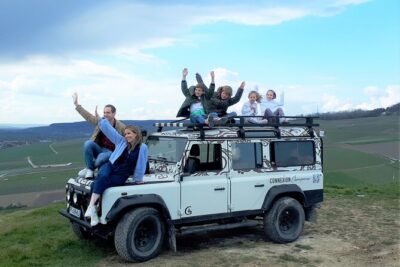
Champagne tasting, panoramic walk in the vineyards
Read our review →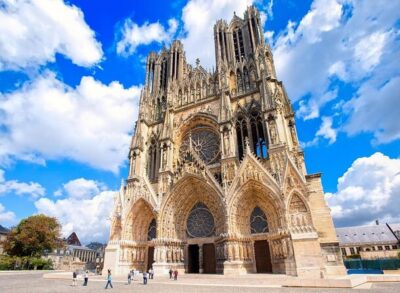
Exclusive Champagne Cellars & Dom Perignon Vineyards tour
Read our review →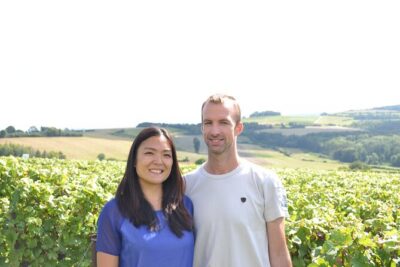
Vineyard and Triple Tasting First Cru in the Mountains of Reims
Read our review →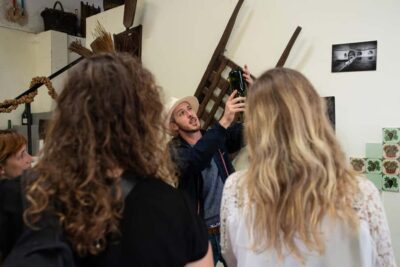
Reims: Champagne House Mumm, Winery Visit with Lunch
Read our review →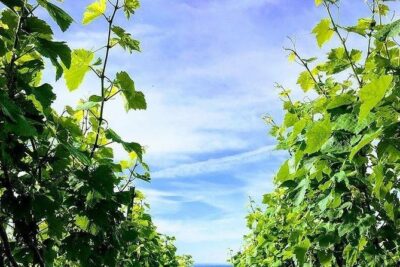
Champagne Lamiable: Stroll and taste in the Grand Cru Champagne vineyard
Read our review →
Lists this tour appears in