Review · STRASBOURG
Alsace Wine Route Wineries & Tasting Small Group Guided Tour from Strasbourg
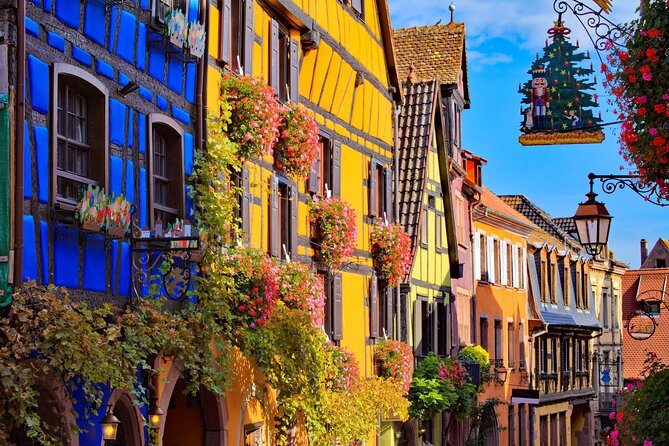
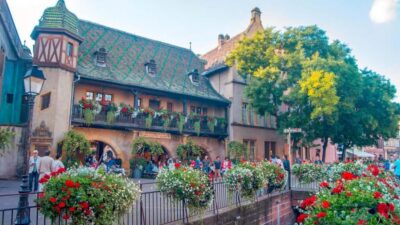
The real treat here is not simply the wine. It is the way one day links three very different wineries with Alsace villages that look lifted from a storybook. From Strasbourg, you ride into the foothills of the Vosges, tasting your way through Riesling country and stopping for time on foot in places such as Mittelbergheim, Dambach-la-Ville, Ribeauvillé, Riquewihr, or Bergheim.
I like the small van, the maximum of eight people, and the chance to compare family-run cellars with more established producers. Guides such as Pauline, Laurence, Jerome, Amelie, and Maxim have been praised for explaining both wine and local culture in clear, friendly terms.
The main caution is that the exact villages and wineries can change. Riquewihr may be passed rather than visited, especially during the Christmas markets, and one tasting may feel more rustic than polished. At $260.12, this is a full-day experience whose value depends on how much you want expert guidance and hassle-free transport.
Key points at a glance
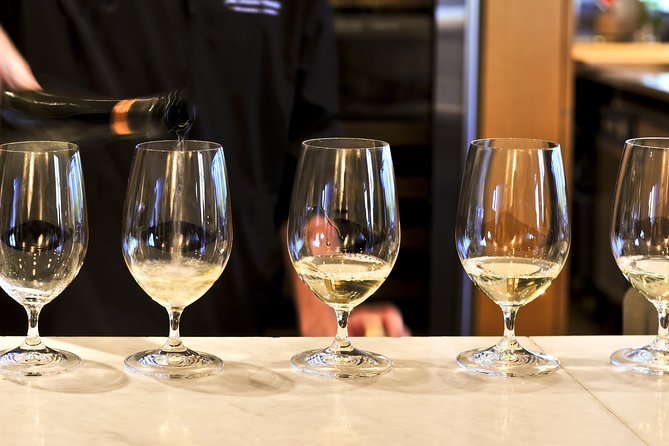
- Three wineries in one day: Taste regional whites at three producers, often including Riesling, Sylvaner, Pinot Blanc, Muscat, Pinot Gris, and Gewürztraminer.
- A tiny group: The air-conditioned minivan carries no more than eight people, giving the day a personal feel.
- Village time matters: The route may include Mittelbergheim, Dambach-la-Ville, Ribeauvillé, Riquewihr, or Bergheim, with lunch on your own.
- Guides shape the day: Pauline, Laurence, Jerome, Amelie, and Maxim have all been singled out for strong wine and regional knowledge.
- Come prepared to eat: French tastings usually do not include snacks, so have a solid breakfast and plan your own lunch.
- Adults only: Children under 18 are not allowed, and at least two adults must book for the tour to operate.
Why the Alsace Wine Route makes a fine day trip
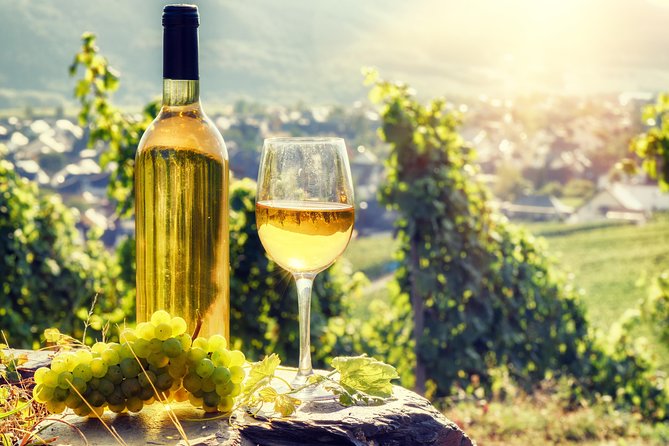
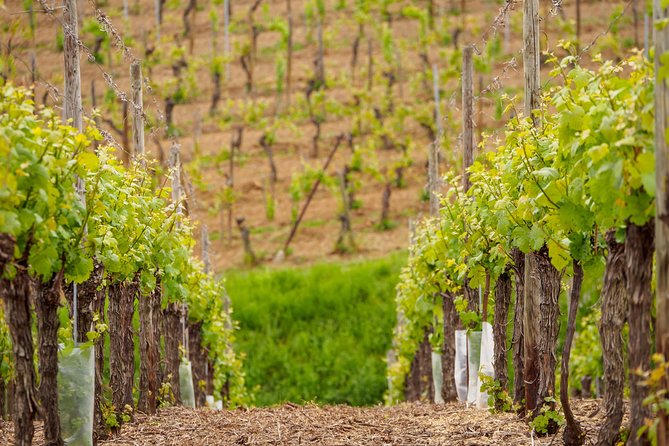
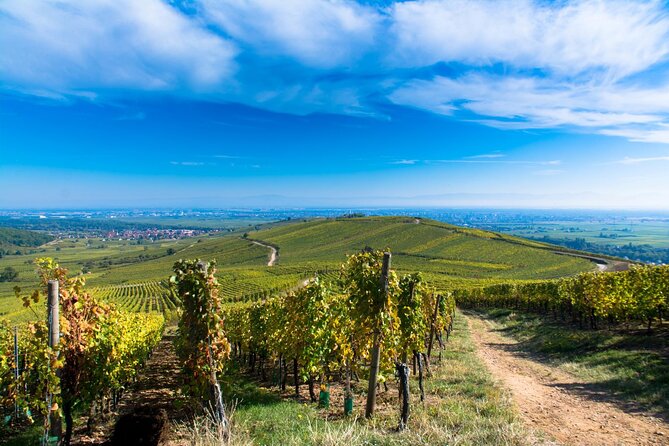
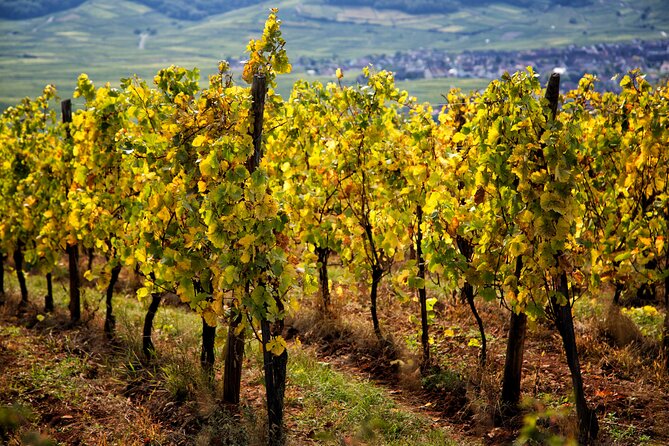
Alsace’s Wine Route runs for about 105 miles, or 170 kilometers, along the lower slopes of the Vosges Mountains. Vineyards fill the gentle hills, while compact villages sit below with narrow lanes, timber-framed houses, and church towers.
You cover only a section of this long route, but the day gives you a useful introduction to its main wine areas. The point is not to rush through a checklist of bottles. It is to understand how grape varieties, soil, weather, and family traditions shape the wine in each part of Alsace.
This is especially useful if you are visiting Strasbourg without a car. Public transport can connect some villages, but reaching three wineries in one day is far easier in a small van. You also avoid the awkward problem of who will drive after several tastings.
The tour begins at 9:00 a.m. outside the Strasbourg tourist information office at 17 Place de la Cathédrale. It ends at the same meeting point after roughly eight hours. Hotel pickup and drop-off are not included, so allow time to reach the cathedral area.
More Wine Country Day Trips in France
- Alsace Wine Route Small Group Half-Day Tour with Tasting from Strasbourg
★ 4.5 · 291 reviews - ICONICS Tour: 1/2 day on the Wine Route, visit of 2 Villages + Tasting.
★ 5.0 · 159 reviews - From Lyon: Beaujolais Wine Route Half-Day Tour
★ 4.7 · 119 reviews
Mittelbergheim and Alsace’s dry white wines
The first wine area is Mittelbergheim, a handsome village surrounded by vineyards and associated with the grand cru sites Kastelberg, Zotzenberg, and Wiebelsberg. This is a good place to begin because the tasting introduces several grapes rather than focusing on only one style.
Expect Riesling, Sylvaner, and Pinot Blanc. Alsace Riesling can be dry, crisp, and strongly tied to its growing place. It is often associated with Germany, but Alsace gives it a distinct French expression. Sylvaner is usually lighter and less showy, while Pinot Blanc tends to be soft and easy to pair with food.
The first tasting helps you get your bearings before the day gathers pace. Your guide can explain what to look for in the glass and connect the wine to the vineyards outside the window. Guides including Laurence and Pauline have been praised for adjusting explanations to the group rather than turning the tasting into a lecture.
Do not expect a long walk through the vineyards here. The focus is the winery and the tasting, with the scenery providing the setting. If you want a full cellar tour or a formal lesson in winemaking, ask your guide what the producer offers that day.
Dambach-la-Ville and the feel of a working cellar
The next stop is Dambach-la-Ville, one of Alsace’s major wine-producing villages. Its surrounding vineyards include the Frankstein grand cru, one of the area’s best-known sites.
This tasting takes place in a traditional caveau, or wine cellar. That can mean a more intimate look at local production, but it can also mean less polished surroundings than you may expect at a high-priced wine experience. One reported problem was a cold, basic cellar with little atmosphere during the off-season.
That contrast is worth keeping in mind. The tour aims to show different types of producers, from established estates to small family operations. A simple cellar can offer a more direct connection to local wine life, but it will not feel like a glossy tasting room.
Dambach-la-Ville is a useful stop for learning about Riesling and Gewürztraminer. Gewürztraminer is often more aromatic and floral than Riesling, with a fuller feel and a distinctive spiced character. A guide can help you compare the wines without assuming you already know the difference.
The tastings are described as generous, but snacks are not normally served. French producers often avoid food during the tasting so it does not affect the wine’s flavor. Have breakfast before departure and carry water. You will have lunch later, but do not count on food between wineries.
Lunch and the villages along the route
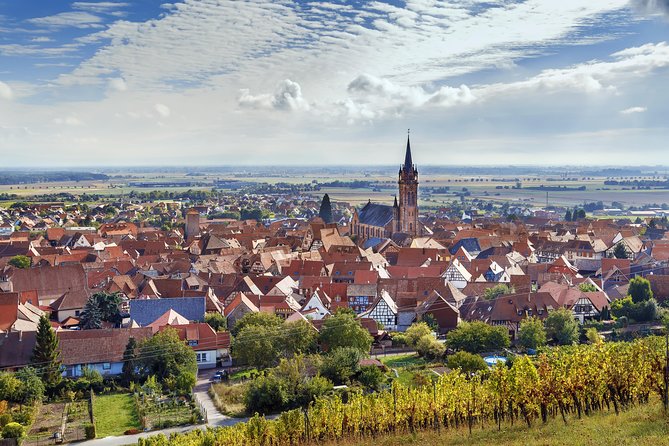
Lunch is at your own expense, usually in one of the small villages along the route. This gives you some freedom, but it also means you need to pay attention to opening hours. Outside the main season, some restaurants may be closed, leaving fewer choices than you expect.
Your guide can point you toward local places and help you use the break well. Amelie, for example, has been praised for offering restaurant and food suggestions during a village stop. Still, it is sensible to ask early where lunch will be and how much time you have.
The village stop is not just a pause between tastings. Alsace’s towns are part of the appeal. Walk the main street, look up at the painted façades, and notice how close the houses sit together. You may have time for a proper meal and a short wander, but this is not a dedicated architectural tour.
The exact village can vary. Bergheim has been used as a lunch stop, while the advertised route also names Ribeauvillé and Riquewihr. In busy periods, road closures and crowds can affect the plan. During the Christmas market season, access to Riquewihr may be limited, so do not book this day solely for a guaranteed visit to that town.
More Winery Tours in France
- Saint-Émilion: Grand Cru Classé Winery Visit and Tasting
★ 4.6 · 1,118 reviews - Saint Emilion Half-Day Trip with Wine Tasting & Winery Visit from Bordeaux
★ 4.5 · 1,034 reviews - Saint-Emilion: Grand Cru Classé Guided Winery Visit & Picnic
★ 4.7 · 296 reviews - Médoc Region Half-Day Wine Tour with Winery Visit & Tastings from Bordeaux
★ 4.5 · 211 reviews
Ribeauvillé and Riquewihr, the postcard section
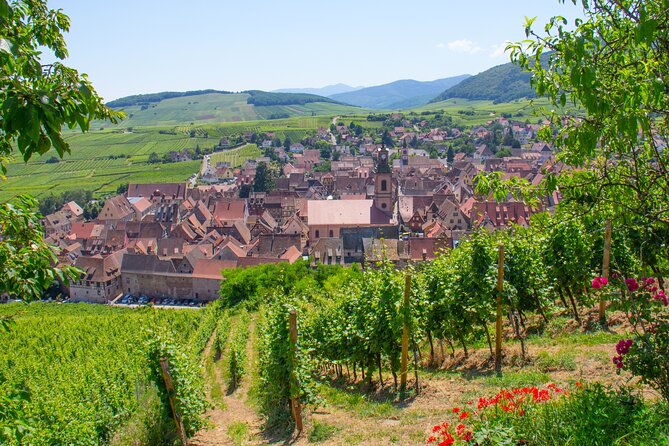
The Ribeauvillé and Riquewihr wine area is among the most attractive parts of the route. Its grand cru sites include Kirchberg, Osterberg, Geisberg, Schoenenbourg, and Sporen.
Riesling remains central here, but the tasting may also include Muscat, Gewürztraminer, and Pinot Gris. This part of the day gives you a chance to compare wines from another section of Alsace after you have already sampled producers farther south.
Riquewihr is famous for its preserved old-town look and is often the village people most want to see. Ribeauvillé has a different feel, with a longer town street and a strong connection to the surrounding vineyards. Both can be busy, especially in high season and around Christmas.
The practical point is important: village access is not fully fixed. The winery selected, traffic, weather, and seasonal road restrictions can affect how much time you spend in each place. You might walk through both, one, or another nearby village such as Bergheim.
That flexibility is reasonable for a wine-focused day, but it creates a mismatch if your main aim is sightseeing. If Riquewihr is your priority, plan a separate visit rather than treating this tour as a guaranteed town tour.
Three wineries, three different personalities
The best feature of this experience is the comparison between producers. You may visit a small family cellar, a modern or biodynamic producer, and a more established estate. Each setting can show a different way of making and selling wine in Alsace.
The wineries have included respected local names and producers connected with long-established families such as Hugel and Trimbach. The focus is not only on famous labels. You also hear about how families have worked the vineyards over generations and how local conditions affect the grapes.
The final two tastings take place around Ribeauvillé and Riquewihr. By then, you have enough context to make useful comparisons. You can think about sweetness, acidity, aroma, body, and the differences between a grand cru bottle and a simpler village wine.
The quality of the visits may not be perfectly even. One host may be warm and talkative while another may provide a shorter presentation. On a strong day, the guide fills any gaps with clear explanations. Guides such as Jerome, Laurence, and Maxim have been praised for doing exactly that.
If you care mainly about exceptional wine, keep your expectations measured. The tour provides a broad regional sample, not a guarantee that every bottle will suit your taste or match the price. Some visitors have found the wines good rather than remarkable. The educational range and access to several producers are the stronger reasons to book.
What the small-group format changes
A maximum of eight people is a real advantage. You can hear the guide in the van, ask questions without holding up a large group, and get help choosing wines that fit your preferences.
The minivan also keeps the day moving. You are not changing trains, searching for taxis, or trying to find a winery in a village you do not know. Air conditioning matters in warm weather, and the vehicle gives you a comfortable place to rest between stops.
The tradeoff is that the itinerary is shared. You cannot decide to linger for an hour in one village or skip a winery because you prefer sightseeing. The guide has to balance the interests of the whole group.
The strongest guides appear to make this balance work well. Pauline is noted for hospitality, Laurence for wine guidance and local knowledge, Jerome for explanations of grapes and terroir, and Maxim for flexibility. Your assigned guide may be someone else, but the quality of the day depends heavily on that person.
Is $260.12 a fair price?
At $260.12 per person, this is not a budget excursion. The fee covers an English-speaking driver-guide, transport, and three wine tastings. It does not cover lunch, extra drinks, hotel transfers, insurance, or bottles you buy.
I think the price makes the most sense if you value convenience and a small group. Three winery visits plus several villages would be difficult to arrange independently in one day without a car. A private taxi or rental car would also create driving and tasting issues.
The value is weaker if you mainly want to see Riquewihr or sample rare, high-end wines. In that case, a dedicated village visit or a more specialized wine appointment may suit you better.
Budget for lunch and possible wine purchases. Some people buy bottles to take home, and shipping may be available from a producer, but that arrangement is not included in the tour details and should be confirmed at the winery.
Practical advice before you book
Start with a good breakfast. The tastings do not normally include snacks, and three generous pours can feel stronger without food.
Wear comfortable shoes. Village streets and cellar floors may be uneven, and the day includes time getting in and out of the minivan. Bring a light layer too, since a traditional cellar can be cool even when the day outside is warm.
Treat the itinerary as flexible. You are promised the Alsace Wine Route and three tastings, but not a fixed set of wineries or a guaranteed stop in every named village. This matters most during Christmas markets, when traffic and closures can change the route.
The tour is for adults only. Children under 18 cannot participate, pets are not allowed, and at least two adults are needed for the departure to operate. The experience is not available on December 25 or January 1.
The booking is non-refundable and cannot be changed for personal reasons. If poor weather or low numbers force cancellation, you are offered another date or a full refund.
Who should book this Alsace wine day?
I would choose this tour if you are staying in Strasbourg, want to taste several Alsatian whites, and prefer someone else to handle the driving and regional logistics. It suits curious drinkers who enjoy learning about grapes, cellar traditions, and the people behind the bottles.
It is also a good fit for couples, friends, and solo adults who like meeting a small group without committing to a private tour. The village stops add plenty for anyone who wants scenery and old-town streets along with wine.
I would hesitate if your top goal is a guaranteed, extended visit to Riquewihr, a luxury winery setting at every stop, or a fixed lunch plan. The day has an authentic, changeable quality. That is part of its charm, but it can also mean a cold cellar, a closed restaurant, or less time in a favorite village.
Should you book it?
Book it if you want a well-organized introduction to Alsace wine with three tastings, several village stops, and a genuinely small group. The most valuable part is the combination of transport and interpretation. You see more than you could easily manage alone, and guides such as Pauline, Laurence, Jerome, Amelie, and Maxim can turn the drive into a useful lesson about Alsace.
Skip it if the $260.12 price feels high for regional wine samples, or if one particular town matters more to you than the wine route as a whole. For most adults spending a few days in Strasbourg, though, this is a strong full-day choice, provided you accept a flexible schedule and plan to buy your own lunch.
FAQ
Where does the tour begin and end?
The tour begins at 17 Place de la Cathédrale, 67082 Strasbourg, France, at 9:00 a.m. It ends back at the meeting point after the day’s route.
How long does the experience last?
The tour lasts approximately eight hours.
How many wineries will I visit?
You will visit three wineries and receive three wine tastings.
Which wines might I taste?
The tastings may include Riesling, Sylvaner, Pinot Blanc, Gewürztraminer, Muscat, and Pinot Gris. The exact selection depends on the wineries visited.
Are lunch and snacks included?
No. Lunch and other food or drinks are not included. Snacks are usually not provided during French wine tastings, so eat breakfast before departure and plan to buy lunch during the tour.
Can children join the tour?
No. This is an adult-only experience, and children under 18 are not allowed.
Is the itinerary fixed to include Riquewihr?
No. The route includes the Ribeauvillé and Riquewihr wine area, but the exact village visits can change because of traffic, winery locations, and seasonal road restrictions.
More stops on the Alsace wine route
- Private and customizable: Alsace Wine Route HIGHLIGHTS in 3 hours
★ 5.0 · 63 reviews - Through Alsace Vineyards and Wine Villages Private Bike Tour
★ 5.0 · 47 reviews - Wine tour of the Alsace wine route
★ 3.4 · 23 reviews - From Strasbourg: Colmar & Alsace Wine Route Private Day Trip
★ 5.0 · 10 reviews
Newly reviewed vineyards around France
- Vosne-Romanée: Private Vineyards Walking Tour with Tasting★ 4.4 · 9 reviews
- Vineyard of the Alpilles by bike★ 4.6 · 8 reviews
- Vineyard tour and wine tasting in Davron★ 4.5 · 7 reviews
- Private Vineyard Tour and Wine Tasting in Bandol★ 5.0 · 16 reviews
- Vineyard visit in Gyropode, visit of Cave & Tasting Wines of Bandol★ 5.0 · 19 reviews
- Bike ride on the Wine Route from Sélestat★ 5.0 · 5 reviews
- Horse riding in the vineyards of Grimaud + wine tasting★ 5.0 · 3 reviews
- 1/2 day private Vintage tour, vineyards of Saint-Tropez★ 5.0 · 6 reviews
Strasbourg Vineyard Tours, compared.
Alsace Wine Route Small Group Half-Day Tour with Tasting from Strasbourg
Read our review →
From Strasbourg: Colmar & Alsace Wine Route Private Day Trip
Read our review →