
Review · BEAUNE
Small group full day tour in the Burgundy vineyards
The best part of this day is its sweep. You move from the white-wine villages of the Côte de Beaune to the celebrated reds of the Côte de Nuits, seeing famous vineyard names in the fields rather than only on a wine list. I like the small group limit of eight, and I like that the guide adjusts explanations to your level, whether you are new to Burgundy or already know your Premier Cru from your Grand Cru.
The main consideration is the price: $230 per person, with lunch extra. That is a serious spend, but it covers transport, a full day with a Burgundy specialist, and two tastings of about five wines each. You also need to arrive at the Solstice reception at least 10 minutes early, and a jacket is smart because cellars can be cold even in hot weather.
Key points at a glance
- Two tastings of around five wines: One takes place after the Côte de Beaune visit and the second follows the Côte de Nuits route.
- A full north-south Burgundy day: You cover Pommard, Meursault, Chassagne-Montrachet, Nuits-Saint-Georges, Vosne-Romanée, and Gevrey-Chambertin.
- Small group, maximum eight people: This gives you a better chance to ask questions and hear the guide clearly.
- Guides who teach, not just drive: Alexandre, Antonin, Raphaël, and Seb are among the guides named in the tour feedback.
- Free time in Beaune: Lunch is not included, but you have time to choose where and what you want to eat.
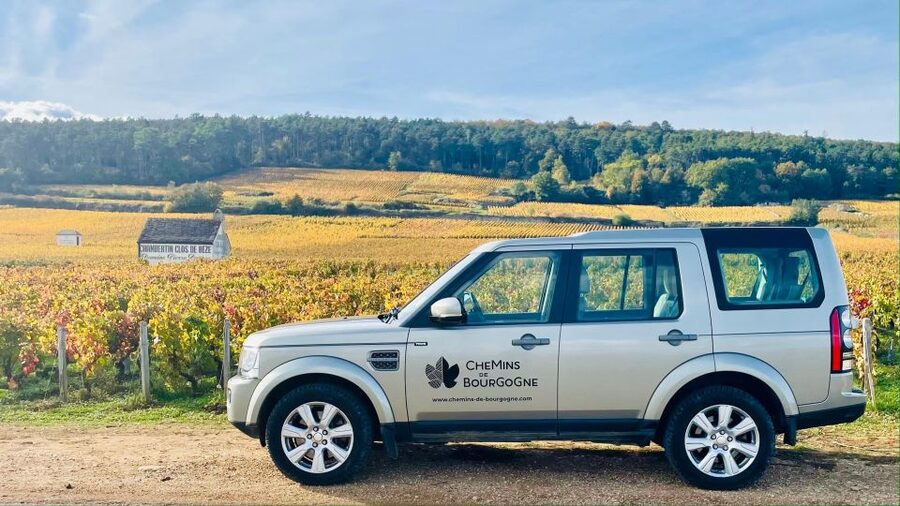
- Transport from Dijon or Beaune: You travel in the company’s cars, avoiding the trouble of navigating narrow vineyard roads yourself.
Why this Burgundy route works so well
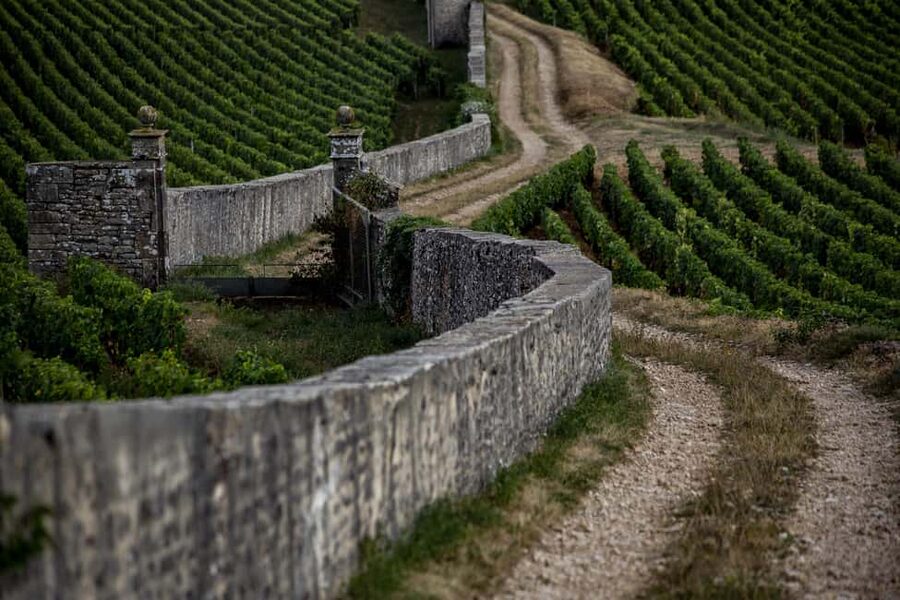
Burgundy can be confusing at first. A bottle may carry the name of a village, a vineyard plot, a producer, or a quality rank, and those details matter. This tour gives you a day-long framework for making sense of it.
In the morning, you follow the Côte de Beaune. In the afternoon, you continue north through the Côte de Nuits. That order makes practical sense. The two areas are close on a map, yet they are associated with different styles and famous names. Seeing both in one day helps you understand that Burgundy is not one single wine region with one single taste.
I especially like the way the day joins the vineyard views to the tastings. You first pass through the villages and fields, then sit down with wines from the area. That connection is useful. A label becomes easier to remember when you have just seen the village and the rows of vines where its grapes are grown.
The guides also appear to be a major part of the experience. Alexandre is praised for explaining everything from vine growing to individual vineyard plots. Antonin is described as precise and clear in his presentation of both the Côte de Beaune and Côte de Nuits. Raphaël is noted for his patient explanations, while Seb brings wine knowledge and humor.
The style seems suited to mixed groups. If you are an experienced wine drinker, you can ask about classifications, plots, and producers. If you are still learning, the guide can explain the basics without assuming too much. One useful feature is the focus on reading a label, which gives you a skill you can use long after the day ends.
Full days in wine country around France:
Morning through the Côte de Beaune
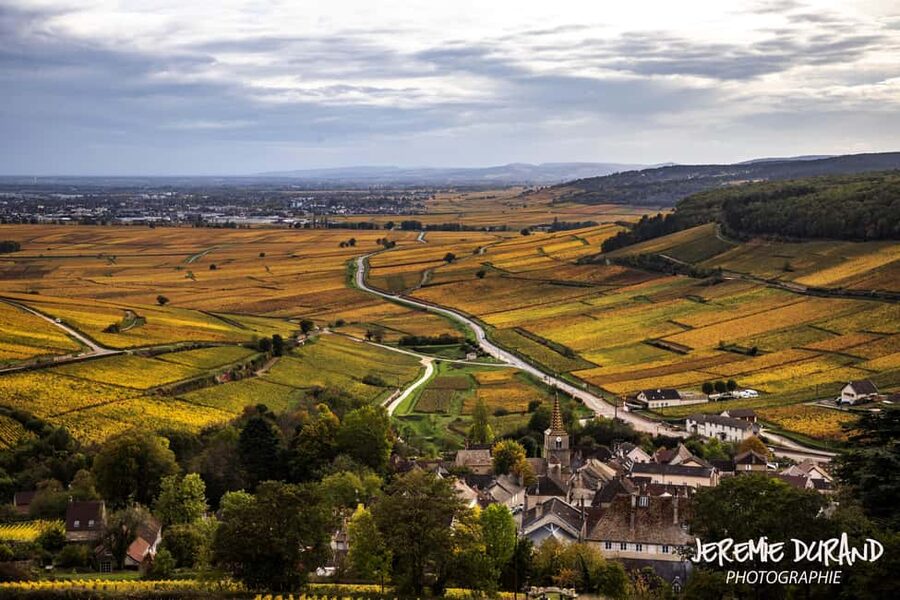
The morning route takes you through some of the most recognized villages in southern Burgundy. Pommard, Meursault, and Chassagne-Montrachet are not random stops. Their names appear on bottles around the world, and seeing them in place gives those names a clearer meaning.
Pommard is especially associated with red wines. Meursault is famous for white Burgundy, and Chassagne-Montrachet is known for both red and white wines, with the white wines drawing particular attention. The tour does not treat the villages as isolated photo stops. Your guide explains the grapes, the vineyard plots, and the winemakers as you travel.
You may also pass through other villages along the route. The appeal is not only ticking off famous names. It is watching how the vineyards fit into the narrow strip of land between the villages and the surrounding countryside.
Some of the most useful information concerns Burgundy’s ranking system. The area is divided into carefully named plots, and the label can tell you a great deal about where the grapes came from. A guide who explains the difference between a village wine, a Premier Cru, and a Grand Cru can save you from treating every expensive bottle as if it means the same thing.
The small vehicle matters here. You are not trying to manage the route, read road signs, and keep your eyes on the vineyard at the same time. You can listen, look out the window, and ask questions as the scenery changes.
The first tasting and the value of context
The first tasting takes place at a domaine or cellar and includes about five wines. The exact producer and lineup can vary, so you should think of this as a regional tasting rather than a guaranteed list of specific bottles.
This is where the morning’s explanations become practical. You can compare wines from the Côte de Beaune and ask how grape variety, village, plot, and producer affect what is in the glass. If you are new to Burgundy, five wines are enough to show differences without turning the session into a blur of samples.
One tasting account names Domaine du Moulin aux Moines in the Côte de Beaune. That visit included attractive surroundings and particularly well-liked white wines, while the red wines made a less favorable impression. That is worth noting because it shows the benefit of tasting with an open mind. A producer may be stronger in one style than another, and the point is not to force every wine into the same verdict.
The cellar may be cool, even when the weather outside is warm. Bring a light jacket. This is a small tip, but it can make the tasting much more comfortable.
Beaune gives you a useful lunch break
At midday, you have free time in Beaune for lunch. The meal is not included, so budget for it separately and understand that you are choosing your own restaurant or café rather than receiving a planned group lunch.
That freedom is useful. You can select a quick meal if you want more time in town, or sit down for a slower lunch if you prefer a break between tastings. Since the tour already has a full afternoon ahead, avoid treating lunch as an afterthought if you know wine affects you strongly.
Beaune also breaks up the driving. A full day among vineyards can become tiring if every minute is spent in the vehicle or at a cellar. Free time gives you a chance to eat, stretch your legs, and reset before the northern route.
The tour information does not promise a guided visit to Beaune’s sights, so you should not book this mainly as a city tour. The town functions here as the lunch stop within a larger wine day.
Other vineyard visits we rate around France
- Saint-Émilion: Grand Cru Classé Winery Visit and Tasting
★ 4.6 · 1,118 reviews - Saint Emilion Half-Day Trip with Wine Tasting & Winery Visit from Bordeaux
★ 4.5 · 1,034 reviews - Saint-Émilion: Bordeaux Vineyard Tour and Wine Tasting
★ 4.8 · 578 reviews - Bordeaux: Vineyards Wine Tasting Half-Day Trip
★ 4.2 · 470 reviews
Afternoon in the Côte de Nuits
After Beaune, the route turns toward the Côte de Nuits, an area closely associated with some of Burgundy’s most famous red wines. You pass through Nuits-Saint-Georges, Vosne-Romanée, and Gevrey-Chambertin, along with the vineyards around them.
Vosne-Romanée has an especially famous name among Burgundy drinkers. Gevrey-Chambertin is another major stop for red wine fans. Even if you do not know the labels well, the guide can show you how village names and vineyard rankings shape the region’s reputation.
The route also includes the Château du Clos de Vougeot. Its name is one of the landmarks of the Burgundy wine world, and seeing it from the route gives the afternoon a clear focal point. The tour is not advertised as a formal interior visit, so expect to see the château and vineyards as part of the driving itinerary rather than assume admission to every site.
This section is likely to be most rewarding for people who enjoy place names, vineyard boundaries, and small differences between villages. If you only want to taste wine without hearing much about geography or classification, parts of the afternoon may feel more detailed than necessary.
The guide’s commentary helps keep the route from becoming a parade of unfamiliar names. You learn to connect a village to its grapes, a vineyard to its ranking, and a producer to the wine in your glass. That is more useful than simply photographing a sign and moving on.
The second tasting completes the comparison
The second tasting includes around five wines and takes place after the Côte de Nuits portion of the day. It gives you a chance to compare the afternoon’s wines with what you tasted in the morning.
One visit mentioned in the tour feedback is Bernard Rion in the Côte de Nuits, where the wines received especially strong praise. The exact tasting arrangements can change, but the contrast with the morning session is part of the day’s design.
Ten wines over two tastings is a substantial amount of wine. You do not need to finish every pour, and it is sensible to pace yourself. The tour is educational, not a drinking contest. Pay attention to the guide’s comments, take small sips, and use the time to notice differences.
For an experienced wine buyer, the tastings can help you decide which villages or styles to explore later. For a beginner, they offer a manageable introduction without requiring you to visit several separate estates on your own.
What the $230 price really covers
At $230 per person, this is not a budget sightseeing outing. Lunch is extra, and the price reflects more than the cost of two tastings. You are also paying for a full day of transport, a small group, and a guide who can explain Burgundy in English or French.
The value is strongest if you are staying in Dijon or Beaune and want to see both major vineyard areas in one day. Renting a car would still leave you with the problem of driving after tastings, finding the right vineyard roads, and arranging visits. This tour removes those tasks.
The price makes less sense if your main goal is a single cellar visit or a quick introduction to French wine. In that case, a shorter tasting may be enough. You are paying for range and explanation here, not just for the liquid in the glasses.
I would also consider the size of your group. With up to eight participants, the tour is more personal than a large coach trip, but it is not necessarily private. If you want a completely tailored route, ask whether a private option is available before booking. The provided details describe a small group, not an exclusive vehicle for one party.
Who should choose this day
I would recommend this tour to you if you want a broad, structured introduction to Burgundy and do not have time to organize several winery visits yourself.
It suits:
- First-time Burgundy visitors who want the major villages explained in plain language.
- Wine drinkers who want to understand labels, vineyard plots, and rankings.
- Couples and small groups who prefer a guide rather than self-driving.
- People staying in Dijon or Beaune who want transport included.
- Experienced wine fans who want to compare the Côte de Beaune and Côte de Nuits in one day.
It may not suit you if you dislike sitting in a vehicle for a large part of the day, want a long lunch, or prefer to choose every producer in advance. The itinerary covers a lot of ground, so the pace is efficient rather than leisurely at one single domaine.
The tour is also a good fit for mixed-experience groups. The guides are described as clear and attentive, and the explanations can be adapted to your level. You do not need to arrive with a technical vocabulary.
Timing, language, and small practical details
The advertised duration is seven hours, while the full description refers to roughly seven and a half hours. Allow most of a day, and confirm the exact start time when booking.
Departure and return are available in Dijon or Beaune. You meet at the Solstice reception and should arrive at least 10 minutes early. The tour runs in English or French, with a live guide.
Cancellation is flexible up to 24 hours before departure for a full refund, and you can reserve now and pay later. These terms are helpful if your Burgundy plans are still shifting.
Bring a jacket for the cellar, even in hot weather. Lunch is not included, so plan for that cost. You should also expect the tasting locations and guide to vary, since several guides and different domaines are associated with the experience.
Should you book the Burgundy vineyard tour?
Book it if you want one well-organized day that connects the famous villages, vineyard plots, and wines of both the Côte de Beaune and Côte de Nuits. The strongest reasons are the small group, the two substantial tastings, and the guides’ ability to explain Burgundy to both beginners and serious wine drinkers.
Skip it if you want a cheap tasting, a private itinerary, or a slow day spent at one estate. At $230 plus lunch, this is a full regional survey, not a quick cellar stop.
For most visitors based in Dijon or Beaune, the tour offers good value because it handles the driving and gives you a clear way to understand a famously complicated wine region. Bring a jacket, arrive early, pace yourself at the tastings, and you will get much more from the day than a collection of vineyard photographs.
FAQ
How long does the tour last?
The advertised duration is seven hours, while the full description refers to approximately seven and a half hours. Plan to spend most of the day on the experience.
Where can I start and finish the tour?
Departure and return are available in Dijon or Beaune.
How many people can join the tour?
It is a small-group experience limited to eight participants.
Which languages are available?
The live guide service is available in English and French.
How many wine tastings are included?
Two tastings are included. Each features around five wines.
Is lunch included?
No. You have free time for lunch in Beaune, but the meal is not included in the price.
Should I bring a jacket?
Yes. A jacket is recommended because the cellar can be cold throughout the year, including during hot weather.
Can I cancel the booking?
You can cancel up to 24 hours in advance for a full refund. Reserve now and pay later is also available.
Newly reviewed vineyards around France
- Vosne-Romanée: Private Vineyards Walking Tour with Tasting★ 4.4 · 9 reviews
- Vineyard of the Alpilles by bike★ 4.6 · 8 reviews
- Vineyard tour and wine tasting in Davron★ 4.5 · 7 reviews
- Private Vineyard Tour and Wine Tasting in Bandol★ 5.0 · 16 reviews
- Vineyard visit in Gyropode, visit of Cave & Tasting Wines of Bandol★ 5.0 · 19 reviews
- Bike ride on the Wine Route from Sélestat★ 5.0 · 5 reviews
- Horse riding in the vineyards of Grimaud + wine tasting★ 5.0 · 3 reviews
- 1/2 day private Vintage tour, vineyards of Saint-Tropez★ 5.0 · 6 reviews
Beaune Vineyard Tours, compared.
Half-day guided tour on the Burgundy wine Route in a classic car
Read our review →
Lists this tour appears in