
Review · BEAUNE
Burgundy Vineyards: Luxury Private Tours
Burgundy’s great appeal is how quickly this private tour moves from famous names on a map to actual vineyards, cellars, and people who make the wine. In one day, you follow the Route des Grands Crus through Meursault, Corton, Vosne-Romanée, Gevrey-Chambertin, and Chambolle-Musigny, with stops for Premier Cru and Grand Cru tastings.
I like the private vehicle and hotel pickup, which save you from figuring out rural transport. I also like the chance to taste at small estates and meet a winemaker, rather than spending the whole day in a large commercial tasting room. The main consideration is price: at $572 per person, lunch extra, this makes sense for serious wine drinkers and small groups more than casual sightseers.
Key points to know
- Two substantial tastings: The advertised program includes 10 wines, with Premier Cru examples and the possibility of Grand Cru pours depending on the estates visited.
- A full Côte de Beaune and Côte de Nuits route: You see both major Burgundy wine areas in one seven-hour day.
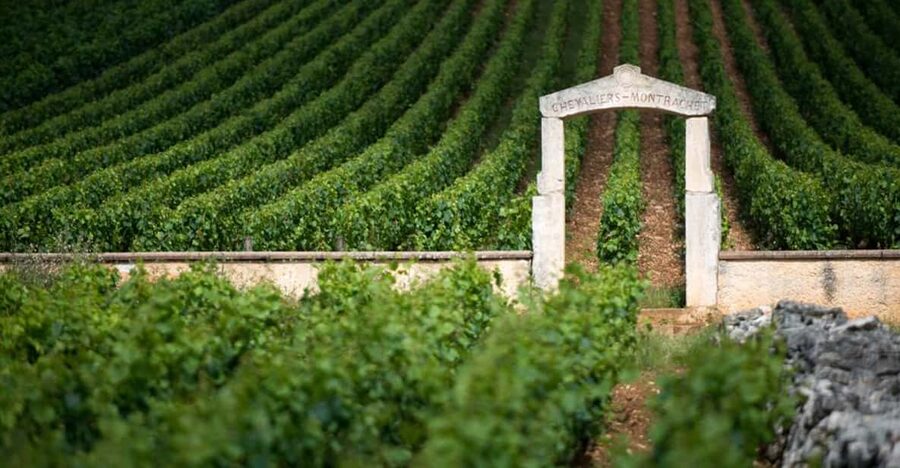
- Romanée-Conti and Clos de Vougeot: These famous names are part of the driving and photo stops, though this does not mean you taste Romanée-Conti itself.
- Lunch is not included: You may eat at a family estate or a traditional vineyard restaurant, with the meal charged separately.
- Strong guide element: Guides such as Joachim, Joaquim, Hubert, Antonin, and Ivan have led this experience, depending on the date.
- Private and flexible in feel: Pickup is available in Beaune or Dijon, from your hotel or the train station, at 10:00 am.
Why this Burgundy tour works so well in one day
Burgundy is easy to admire and surprisingly hard to understand. Its wine names refer to villages, vineyard plots, classifications, and producers, often all at once. A private guide can turn that puzzle into something you can follow as you drive between the vineyards.
This tour gives you seven hours, from 10:00 am to about 5:30 pm, to connect the names on the bottle with the places on the ground. You are not simply driven to a tasting room, handed a glass, and sent on your way. The day includes village stops, vineyard walks, cellar tastings, a meal, and explanations of how soil and location affect Pinot Noir and Chardonnay.
The private format matters here. You can ask basic questions without feeling out of place, or spend more time on details if you already know Burgundy well. Past guide assignments have included Joachim, Joaquim, Hubert, Antonin, and Ivan. The exact guide may vary, but the strongest reports describe guides who explain technical ideas in plain language and adjust the day to the group.
Other vineyard visits we rate around France
- Saint-Émilion: Grand Cru Classé Winery Visit and Tasting
★ 4.6 · 1,118 reviews - Saint Emilion Half-Day Trip with Wine Tasting & Winery Visit from Bordeaux
★ 4.5 · 1,034 reviews - Saint-Émilion: Bordeaux Vineyard Tour and Wine Tasting
★ 4.8 · 578 reviews
Starting from Beaune or Dijon at 10:00 am
Pickup is available from your accommodation or the train station in either Beaune or Dijon. That makes the tour practical if you are building a trip around rail travel, and it removes the need to rent a car for a day of wine tasting.
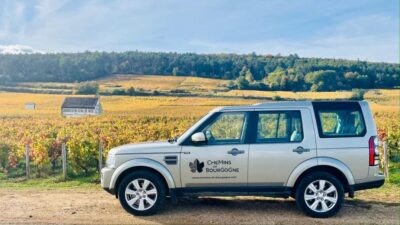
The vehicle is described as a comfortable Mercedes van, with water and small snacks noted on one outing. Since this is a private group, you avoid the awkwardness of joining strangers in a packed minibus. You also have one guide responsible for the whole day, including the driving and explanations.
The early start is sensible. Burgundy’s most famous villages are spread along a fairly narrow but busy wine route, and a seven-hour tour needs a steady pace. Do not expect long museum visits or hours at every village. This is a moving tour with several focused stops.
The Côte de Beaune: Meursault, Chassagne-Montrachet, and Corton
The first part of the day takes you through the Côte de Beaune, known for prestigious white wines as well as important red wine villages. Meursault and Chassagne-Montrachet are especially useful names to encounter in person because they help explain why Burgundy cannot be reduced to a single style.
At the Corton hillside, you stop in an area known for both red and white Grand Cru wines. That contrast is one of the most interesting parts of the region. Burgundy’s classification is closely tied to vineyard sites, and the same broad area can produce very different wines depending on the plot, grape, and producer.
A walk or roadside explanation here helps you see how the vineyards sit on the slopes. You are learning to connect elevation, soil, exposure, and village boundaries with what later appears in your glass. This is far more useful than memorizing names from a wine list.
The first cellar tasting and the value of smaller estates
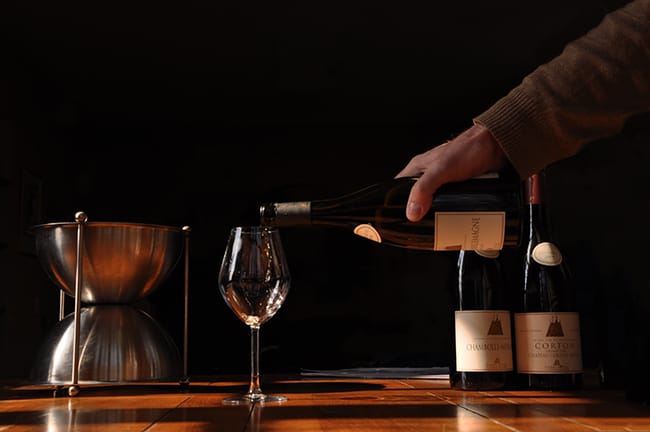
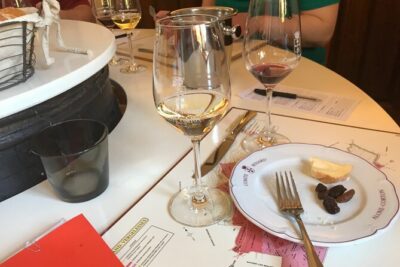
One tasting takes place in a wine cellar, where you can expect elegant Pinot Noirs and white wines described as unoaked. The program calls for two tastings and about 10 wines in total, including Premier Cru examples. Actual pours can vary by estate and day. Some past outings included considerably more than 10 wines, including several Grand Cru samples, but you should treat that as a bonus rather than a promise.
The cellar setting is part of the appeal. You are tasting in the region where the wine is made, not in a city shop far from the vines. A guide can explain how a producer works, how the wines differ, and how to read Burgundy labels without making the conversation feel like a lecture.
The best part of the tasting is the chance to compare wines side by side. Pinot Noir from one village may show a different balance of fruit, earth, spice, or structure from another. White Burgundy can also shift from lean and crisp to broad and rounded. You do not need advanced tasting vocabulary. A good guide will help you notice the differences first, then give you the terms.
There is one practical point to keep in mind. A private cellar visit may feel intimate and authentic, but it will not always have the polished presentation of a major visitor center. One account described a final tasting where wine was poured while the group stood over barrels. That can feel informal or awkward, though it also gives you a direct look at the small-producer side of Burgundy.
Same grapes, a different estate to taste:
- Bordeaux: Vineyards Wine Tasting Half-Day Trip
★ 4.2 · 470 reviews - Half-Day Wine tour across Bordeaux’s Vineyards
★ 3.5 · 429 reviews - Saint-Émilion: Vineyard Walking Tour and Tasting
★ 5.0 · 404 reviews - Small-Group Full-Day Tour of Côte de Nuits, Côte de Beaune Vineyards and Beaune Historical District
★ 5.0 · 364 reviews
Lunch at a family estate or vineyard restaurant
Lunch is separate from the tour price, and the meal is served as a set menu if you choose the family-run estate option. Wine tastings are paired with typical Burgundy dishes and cheeses, giving you a chance to understand how local food supports local wine.
The alternative is an idyllic vineyard restaurant serving traditional, refined cuisine. The exact restaurant depends on the day and availability. A past outing included a Michelin-starred restaurant described as surprisingly affordable, while another stopped at a cozy restaurant in the Gevrey-Chambertin area.
Because lunch is not included, ask for the expected cost when booking or before the day begins. This is especially important if you are comparing the tour with a cheaper group excursion. The $572 price covers transportation, the guide, and wine tastings, but your meal is an additional expense.
Still, lunch is not just a break between stops. Burgundy food gives the wine context. Regional cheeses, traditional dishes, and a tasting menu can make the day feel like a study of the place rather than a series of unrelated drinks.
The Route des Grands Crus and Burgundy’s famous names
After lunch, the route turns toward the Côte de Nuits, often called Burgundy’s Champs-Elysées. The road passes through villages whose names are familiar to wine drinkers around the world: Vosne-Romanée, Gevrey-Chambertin, and Chambolle-Musigny.
You stop at Romanée-Conti and Clos de Vougeot. These are important for understanding Burgundy’s fame, but keep your expectations clear. The tour takes you to the sites and provides opportunities for photographs and explanation. It does not promise a tasting of Romanée-Conti, one of the world’s rarest and most expensive wines.
Clos de Vougeot is particularly useful as a reference point because it links Burgundy’s wine culture with its older estates and vineyard organization. Your guide can help explain how the Grand Cru system works and why a small change in vineyard location can affect a bottle’s reputation and price.
This part of the drive is scenic, but it is not a sightseeing bus tour with a stop at every village center. You will spend much of the time moving between the vineyards. That is a fair trade for covering both the Côte de Beaune and Côte de Nuits in one day.
Walking the vines after lunch
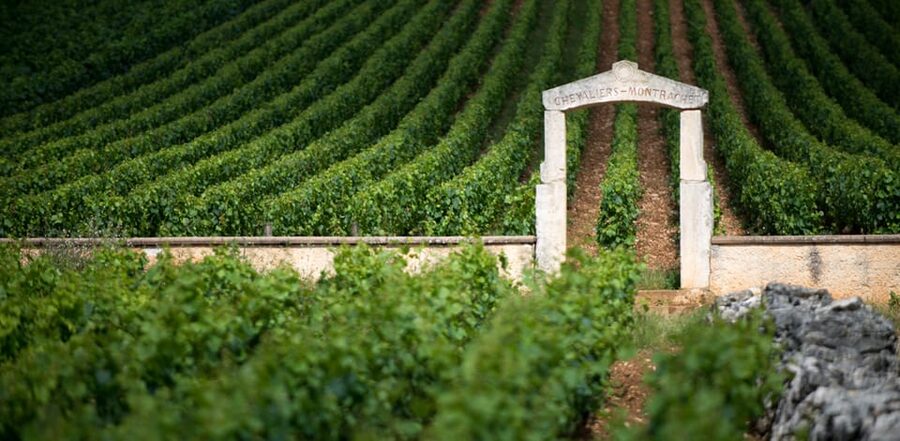
The post-lunch vineyard walk is a welcome change of pace. You can work off the meal while seeing the vines close up and hearing about growing methods, seasonal work, and Burgundy’s wine-making traditions.
This walk also helps with one of Burgundy’s central ideas: terroir. The word is often used loosely, but here it refers to the relationship between soil, slope, climate, grape variety, and human choices. When you later taste Pinot Noir from different plots, the walk gives you a physical reference for why the wines may differ.
The route and length of the walk are not specified, so you should not expect a long hike. It is best understood as a short educational stroll rather than a separate outdoor activity. Wear comfortable shoes, especially if the ground is uneven or damp.
Meeting a winemaker and tasting Pinot Noir by soil
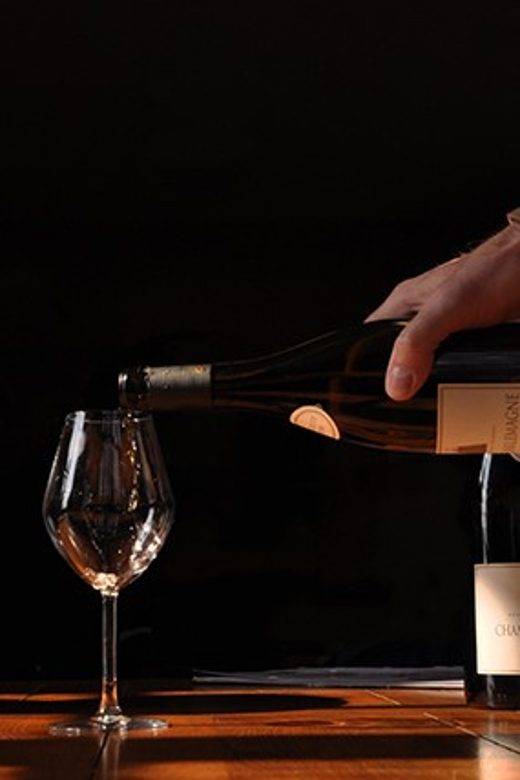
The final boutique winery visit is one of the strongest reasons to choose this tour. You meet a winemaker and look at the production facilities before tasting Pinot Noir connected to different terroirs.
That conversation can make Burgundy’s classification system easier to understand. Instead of hearing only about famous labels, you see how a small estate handles its wines and why the producer’s choices matter. You may also get a more direct explanation of vineyard ownership, barrel work, fermentation, or the differences between village, Premier Cru, and Grand Cru wines.
Past outings have included two Premier Cru and two Grand Cru wines at the final stop. Another included roughly 18 to 20 wines across the day, with about six Grand Cru examples. The official program is more restrained, listing two tastings and 10 wines, so use those larger numbers as examples of what may happen, not as guaranteed content.
The tour does not pressure you to buy. One guide helped arrange shipping for bottles purchased by the group, and another made clear that buying was optional. That is useful in Burgundy, where the best bottles can be hard to find and awkward to transport home. If you do purchase wine, ask about shipping arrangements and costs before committing.
What $572 per person really buys
The price is high for a day trip, but it includes more than transport from one tasting room to another. You are paying for a private vehicle, a seven-hour schedule, an English- or French-speaking guide, two tastings, and access to a route that is difficult to manage efficiently without a car.
The strongest value comes when you care about Burgundy specifically. A guide such as Antonin has explained village differences, labels, bouquet, and terroir in detail. Joachim and Joaquim have been praised for their regional knowledge and enthusiasm, while Hubert and Ivan have helped with translation, winery visits, and wine shipping.
For a casual drinker, the price may be difficult to justify, especially once lunch is added. You can see Burgundy’s villages more cheaply by car or public transport, though you would need to arrange tastings, navigate rural roads, and avoid driving after drinking.
For a couple or small private group with a serious interest in Burgundy, the price is easier to defend. The private setting lets you ask questions, skip pressure to buy, and spend your time on the wines and villages that matter most to you.
Who should book this private Burgundy day
I would choose this tour if you want a structured introduction to Burgundy but do not want a classroom-style lesson. It suits wine drinkers who recognize names such as Meursault, Vosne-Romanée, or Chambolle-Musigny and want to understand where they come from.
It also works well for a special occasion. One guide helped a couple arrange a vineyard proposal, showing that the private format can support personal plans when arranged ahead of time.
You should think twice if you want a slow day with long meals and plenty of free time. Seven hours is a lot, but the route covers a broad area and includes several stops. You will see and taste a great deal, yet some visits may feel brief.
The tour is wheelchair accessible, and pickup is available in Beaune or Dijon. English and French are offered. Free cancellation is available up to 24 hours before departure, and you can reserve without paying immediately, which helps if your French schedule is still taking shape.
Should you book it?
Book this Burgundy tour if you value access, explanation, and a private vehicle more than a low price. The best parts are the two tastings, the visits to famous Côte de Beaune and Côte de Nuits villages, and the chance to speak with a winemaker about Pinot Noir and terroir.
I would especially recommend it for first-time Burgundy visitors staying in Beaune or Dijon, couples marking a special occasion, and wine drinkers who want more than a quick tasting. If you are mainly looking for a scenic drive or a budget wine outing, choose a cheaper group option and save the money for a bottle.
FAQ
Where does the tour begin?
Pickup is available from your hotel or the train station in Beaune or Dijon. The tour starts at 10:00 am.
How long does the tour last?
The experience lasts seven hours and returns you to your drop-off point at about 5:30 pm.
How many wines are included?
The planned experience includes two tastings with about 10 wines, including Premier Cru examples. The number and classification of wines can vary by winery, and some past outings included more wines and Grand Cru samples.
Is lunch included in the price?
No. Lunch is available at an additional cost. You may eat at a family-run estate with typical Burgundy dishes and cheeses or at a vineyard restaurant serving traditional cuisine.
Which languages are available?
The live guide can lead the tour in English or French.
Can I cancel the booking?
Yes. You can cancel up to 24 hours in advance for a full refund. You can also reserve now and pay later.
Newly reviewed vineyards around France
- Vosne-Romanée: Private Vineyards Walking Tour with Tasting★ 4.4 · 9 reviews
- Vineyard of the Alpilles by bike★ 4.6 · 8 reviews
- Vineyard tour and wine tasting in Davron★ 4.5 · 7 reviews
- Private Vineyard Tour and Wine Tasting in Bandol★ 5.0 · 16 reviews
- Vineyard visit in Gyropode, visit of Cave & Tasting Wines of Bandol★ 5.0 · 19 reviews
- Bike ride on the Wine Route from Sélestat★ 5.0 · 5 reviews
- Horse riding in the vineyards of Grimaud + wine tasting★ 5.0 · 3 reviews
- 1/2 day private Vintage tour, vineyards of Saint-Tropez★ 5.0 · 6 reviews
Beaune Vineyard Tours, compared.
Half-day guided tour on the Burgundy wine Route in a classic car
Read our review →
Small group full day tour in the Burgundy vineyards
Read our review →Lists this tour appears in