
Review · FRANCE
Bandol: Family Vineyard Tour and Tasting
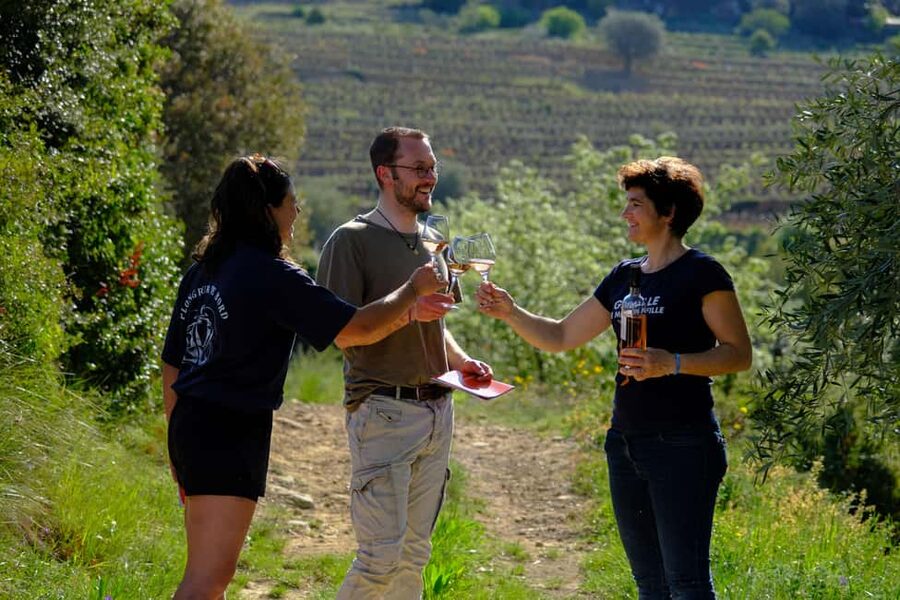
Château Canadel gives you a close look at Bandol wine in its home setting, not just a glass poured at a tasting bar. Ten minutes from Bandol in the Castellet hills, the 90-minute visit moves from old-style restanque vineyards to the cellar, then finishes with four wines.
I like the family-led welcome and the clear focus on organic farming. I also like that you taste white, rosé, and red wines after learning how they are made, so the final pour has some context. The main drawback is transport: public buses reach the estate only a few times a day, so a car is the sensible choice.
Key points to know
- Restanque vineyards: Walk among the traditional stone-supported terraces and learn how the estate farms without synthetic shortcuts.
- Mourvèdre in focus: Understand why this local grape matters so much to AOC Bandol reds.
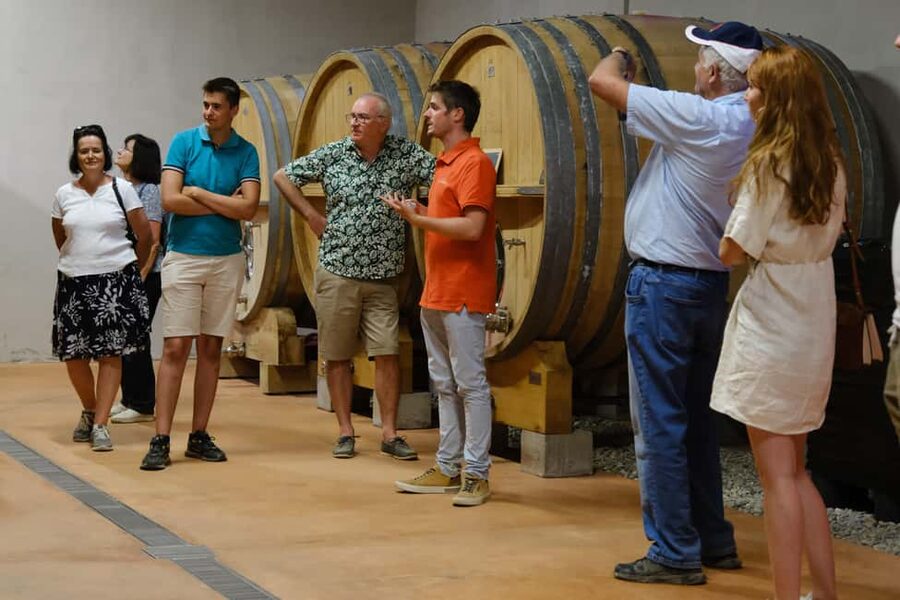
- Cellar access: Follow the wine from fermentation through aging in oak barrels.
- Four AOC Bandol vintages: Taste red, rosé, and white wines in the dedicated tasting room.
- French-speaking guide: The tour is conducted in French, with some material presented in its original language.
- Easy booking terms: The $23 price includes the tour and tasting, with cancellation allowed up to 24 hours before the visit.
Why Château Canadel feels different from a quick tasting
Many winery visits give you a view, a few general facts, and three glasses before sending you toward the shop. Château Canadel offers a more grounded sequence. You begin in the vines, see the production space, and only then taste the results.
That order matters. When you taste a Bandol rosé after hearing about the grape varieties and farming methods, you have something useful to consider. You can ask why a wine tastes the way it does, how the cellar shapes it, and what the local soil and climate contribute.
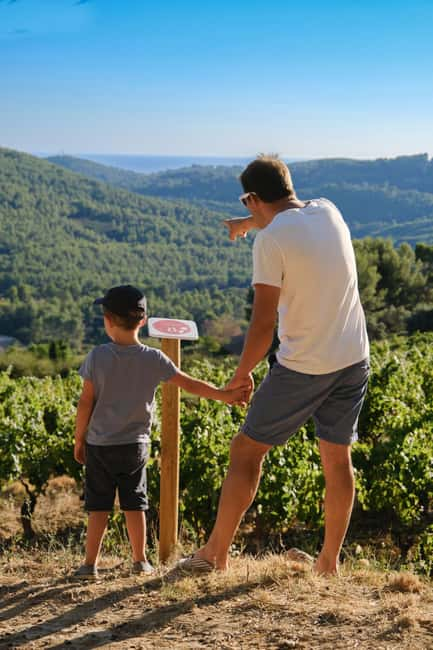
The estate sits in the hills around Le Castellet, about 10 minutes from Bandol. The setting is part of the experience, but the visit is not built around scenery alone. The family of winemakers explains its work directly, with an emphasis on care for the land and the practical steps behind each bottle.
The tone is warm and personal. The guide is described as a committed woman winemaker who explains her trade with energy and precision. That does not mean a formal lecture. You should expect a friendly conversation where questions are welcome.
Other vineyard visits we rate around France
- Saint-Émilion: Grand Cru Classé Winery Visit and Tasting
★ 4.6 · 1,118 reviews - Saint Emilion Half-Day Trip with Wine Tasting & Winery Visit from Bordeaux
★ 4.5 · 1,034 reviews - Saint-Émilion: Bordeaux Vineyard Tour and Wine Tasting
★ 4.8 · 578 reviews
Starting among the restanque terraces
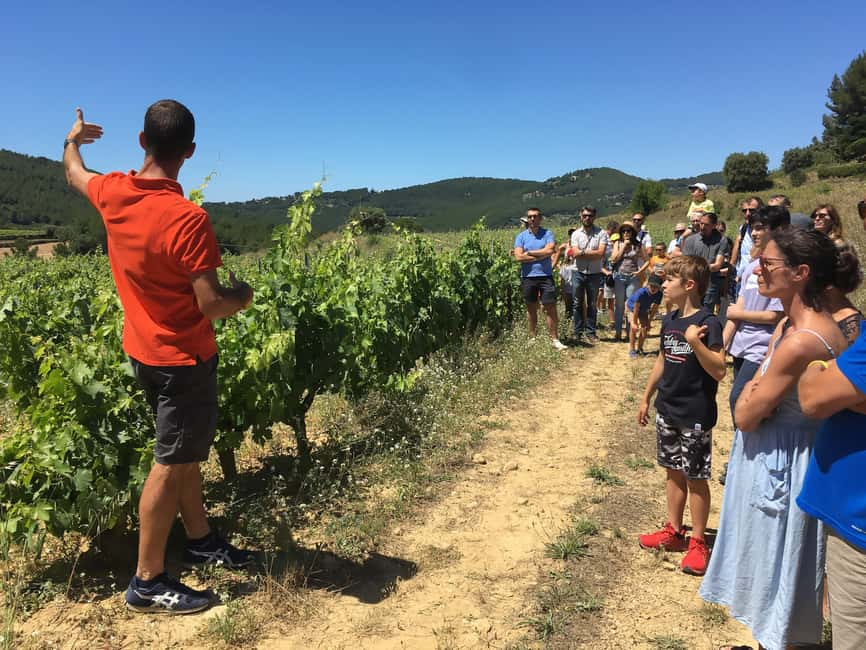
The first part of the visit takes place in the vineyard and lasts about 30 minutes. You walk through the restanque plots, the traditional stepped terraces that shape much of the Provençal countryside.
These terraces give the tour a strong sense of place. You are not hearing about Bandol in an abstract way. You are standing on the estate where the grapes are grown, looking at the kind of terrain that makes vineyard work demanding and distinctive.
The focus here is organic viticulture and the estate’s approach to ecology. You learn how the family works with nature rather than treating the vineyard as a factory. The information is especially useful if you are new to organic wine, since the guide connects broad ideas about soil and ecology with what happens among the vines.
Expect attention to the estate’s terroir, a French wine term covering the relationship between soil, climate, topography, and farming. The point is not simply to memorize a technical word. It is to understand why grapes grown in one part of Provence can produce a different wine from grapes grown elsewhere.
Mourvèdre receives special attention. This grape is closely tied to Bandol, particularly to the region’s reds, and it helps explain the character of the appellation. You will also hear about the other varieties used at the estate, though the supplied details single out Mourvèdre as the local emblem.
This outdoor section is likely to be most rewarding for people who want more than a tasting counter. It gives you a basic vocabulary for the rest of the visit. I would pay attention to the farming choices here, then carry those ideas into the cellar and tasting.
Inside the cellar, from fermentation to oak
The second guided section lasts another 30 minutes and moves indoors to the cellar. Here, the family explains the main stages of winemaking, from fermentation to aging in oak barrels.
This is where the visit shifts from farming to transformation. Grapes arrive from the vineyard, but the finished wine depends on what happens next. You can ask about the process, the timing, and the decisions that take the fruit from harvest to bottle.
The cellar visit is not described as a technical masterclass, so do not expect an intensive course in chemistry or barrel management. Instead, you get a clear account of the estate’s method and the chance to ask direct questions. That is a good fit if you are curious but do not already speak the language of winemaking.
I appreciate the connection between the two first sections. Organic farming is not presented as a separate marketing label. It forms part of a larger chain that includes the vineyard, fermentation, aging, and final bottle.
The cellar can also help you make more sense of the red wine you taste later. Oak aging can affect aroma, texture, and structure, while fermentation choices influence the wine’s balance. You will not need specialist knowledge to follow the explanation, but you will leave with a better idea of why two wines from the same region can taste quite different.
The tour is guided in French. That is important to consider before booking. If you do not speak French, some content may still be shown in its original language, but the activity is not advertised as an English-language tour. For French speakers, the language adds to the direct, local feel. For others, it may limit how much detail you can take in.
Four wines that make the tasting worthwhile
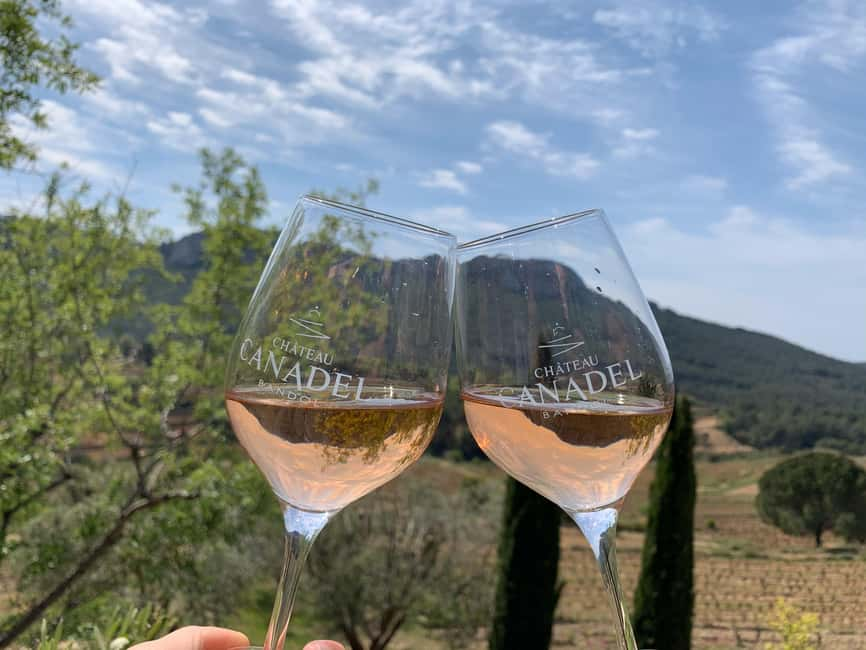
The final 30 minutes are devoted to tasting four vintages in the dedicated tasting area. The selection includes AOC Bandol white, rosé, and red wines.
This range is one of the strongest parts of the experience. Bandol is often associated first with red wine, especially Mourvèdre-based reds, but the tasting lets you compare the three main styles connected with the estate. You can notice how the same place expresses itself differently in each color.
The white gives you a chance to consider the fresher side of the appellation. The rosé shows how the region works in a lighter, more immediate style. The red brings the discussion back to Mourvèdre, structure, and the cellar work explained earlier.
You are tasting four vintages, not simply four unrelated samples. That gives the experience a little more range, although the supplied information does not specify the exact bottles, vintages, serving order, or tasting portions. If a particular wine matters to you, ask the guide what is being poured on the day.
The tasting is meant to be friendly rather than solemn. You can ask questions, compare the wines, and decide what suits your taste. The visit also includes exclusive access to the estate shop, where you can get personal advice before buying a bottle or local item.
Wine purchases and local goodies are not included in the $23 price. Nor is a pairing with local specialties. That distinction matters if you are expecting a food-and-wine experience. This is a vineyard, cellar, and wine tasting visit, not a full meal or regional food workshop.
Same grapes, a different estate to taste:
- Bordeaux: Vineyards Wine Tasting Half-Day Trip
★ 4.2 · 470 reviews - Half-Day Wine tour across Bordeaux’s Vineyards
★ 3.5 · 429 reviews - Saint-Émilion: Vineyard Walking Tour and Tasting
★ 5.0 · 404 reviews - Small-Group Full-Day Tour of Côte de Nuits, Côte de Beaune Vineyards and Beaune Historical District
★ 5.0 · 364 reviews
What the $23 price really covers
At $23 per person, the value is strong if you want substance in a short visit. Your fee covers a guided walk through the restanque vineyards, a cellar explanation, an organic viticulture discussion, and four AOC Bandol wines.
The price also includes access to the shop with personalized advice. That can be useful if you are trying to choose a bottle without simply grabbing the prettiest label. You can ask about the wines you tasted and select something that fits your preferences.
I would not compare this price with a basic tasting alone. The estate is charging for time with working winemakers and for access to the production spaces. The family approach gives the tour more personality than a self-guided pour, and the two 30-minute guided sections provide a clear structure.
Still, keep the limits in mind. Transport is not included, local food pairings are not included, and the tour is in French. If you need an English guide or want a long lunch among the vines, this is not the right product.
The duration is listed as 90 minutes, with the visit sometimes lasting from one hour to one and a half hours depending on questions and curiosity. Plan on the full 90 minutes so you are not rushing to another appointment. A chatty group may use the extra time, while a quieter visit may finish closer to an hour.
Getting to 98 Chemin du Canadeau
The meeting point is Château Canadel’s cellar and tasting room at 98 Chemin du Canadeau. You must arrange your own transport.
This is the most important practical warning. Public transport to the estate can be tricky, with buses running up and down the area only three times a day. Missing one can turn a short winery visit into a long wait, so check the return schedule before setting out.
A car makes the visit much easier, but remember that the tasting includes wine. If you are driving, plan carefully and keep the tasting moderate. The information provided does not specify a shuttle, pickup service, taxi arrangement, or parking details, so do not assume any of those are included.
The location is around 10 minutes from Bandol, which makes the estate a practical add-on to a stay in the area if you have independent transport. It is also close enough to combine with other time in the Castellet hills, provided you leave room for the full visit and the journey back.
Arrive at the cellar and tasting room rather than expecting a city-center meeting point. The rural setting is part of the appeal, but it requires a little planning.
Who will enjoy this family wine visit
I would choose Château Canadel if you want to understand how a Bandol wine is made, not just taste one. The tour suits wine-curious visitors, couples, small groups, and families who appreciate a personal introduction to farming and cellar work.
It is also a good choice for people who care about organic agriculture. The estate puts ecological practices at the center of the vineyard discussion, so you can ask meaningful questions about how those choices affect the work and the wine.
French speakers will get the fullest experience because the live guide speaks French. If you are comfortable with some original-language material and do not need every technical detail translated, you may still enjoy the setting and tasting, but you should book with realistic expectations.
The visit may be less suitable if you want a food-focused outing. Local specialties paired with the wines are not included. It may also disappoint visitors hoping for a large commercial estate with elaborate facilities or a long formal tasting. Château Canadel is presented as a family operation, and that means the appeal lies in direct contact and clear explanations.
Children can join a family-oriented vineyard visit, but the supplied information does not give an age policy or child pricing. If you are booking for children, confirm those details first.
A few smart ways to plan the visit
Book with enough time around the tour to allow for questions. The advertised duration is 90 minutes, but the visit may be shorter or longer depending on the group’s curiosity.
Wear something suitable for walking through vineyard terraces. The information does not specify trail conditions, so practical shoes are a sensible choice rather than delicate sandals. You will move through outdoor vineyard areas before entering the cellar.
Think about the tasting as the final lesson. Try to remember one detail from the organic farming section and one from the cellar explanation, then see if you can detect how those ideas relate to the wines. You do not need expert tasting language. Simple notes about freshness, weight, fruit, texture, and preference are enough.
Use the shop wisely. You can ask for personal advice and buy bottles or local goods, but those purchases are extra. If you are traveling by car, bring enough space for wine, and check how you will carry it onward.
The cancellation policy is friendly: you can cancel up to 24 hours before the activity for a full refund. You can also reserve now and pay later, which helps if your route through Provence is still changing.
Should you book Château Canadel?
Book this tour if you want a short, personal introduction to Bandol wine with real attention to organic farming, Mourvèdre, and cellar work. The $23 price covers more than a quick pour, and the four-wine tasting gives you a useful comparison of white, rosé, and red styles.
I would skip it only if you need an English-language guide, require included transport, or want food pairings with the wine. For everyone else, especially visitors with a car and an interest in how local wine reaches the bottle, Château Canadel offers a warm and practical stop in the Bandol hills.
FAQ
Where does the Château Canadel wine tour meet?
The meeting point is the Château Canadel cellar and tasting room at 98 Chemin du Canadeau.
How far is Château Canadel from Bandol?
The estate is about 10 minutes from Bandol.
How long does the tour last?
The visit is advertised as 90 minutes. It can last from one hour to one and a half hours, depending on questions and curiosity.
What does the tour include?
It includes a guided tour of the restanque vineyards and cellar, an explanation of organic viticulture and winemaking, a tasting of four vintages, and access to the shop with personalized advice.
Which wines do you taste?
The tasting includes AOC Bandol white, rosé, and red wines, with four vintages served in total.
Is transport included?
No. You must arrange your own transport to the estate.
Is the tour offered in English?
The live tour guide speaks French. Some content is shown in its original language.
Are local food pairings included?
No. Tasting local specialties paired with the wines is not included.
Can I buy wine at the estate?
Yes. The shop offers wine and local goodies, but purchases are not included in the tour price.
Can I cancel for a refund?
Yes. You can cancel up to 24 hours in advance for a full refund. You can also reserve now and pay later.
Newly reviewed vineyards around France
- Vosne-Romanée: Private Vineyards Walking Tour with Tasting★ 4.4 · 9 reviews
- Vineyard of the Alpilles by bike★ 4.6 · 8 reviews
- Vineyard tour and wine tasting in Davron★ 4.5 · 7 reviews
- Private Vineyard Tour and Wine Tasting in Bandol★ 5.0 · 16 reviews
- Vineyard visit in Gyropode, visit of Cave & Tasting Wines of Bandol★ 5.0 · 19 reviews
- Bike ride on the Wine Route from Sélestat★ 5.0 · 5 reviews
- Horse riding in the vineyards of Grimaud + wine tasting★ 5.0 · 3 reviews
- 1/2 day private Vintage tour, vineyards of Saint-Tropez★ 5.0 · 6 reviews
France Vineyard Tours, compared.
Saint-Émilion: Grand Cru Classé Winery Visit and Tasting
Read our review →
Saint Emilion Half-Day Trip with Wine Tasting & Winery Visit from Bordeaux
Read our review →
Saint-Émilion: Bordeaux Vineyard Tour and Wine Tasting
Read our review →
Saint-Émilion: Vineyard Walking Tour and Tasting
Read our review →
Small-Group Full-Day Tour of Côte de Nuits, Côte de Beaune Vineyards and Beaune Historical District
Read our review →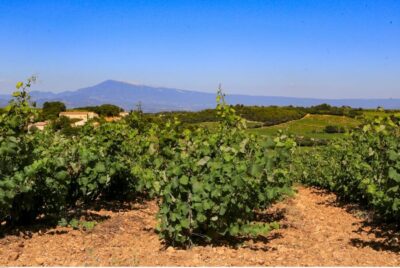
Lists this tour appears in