
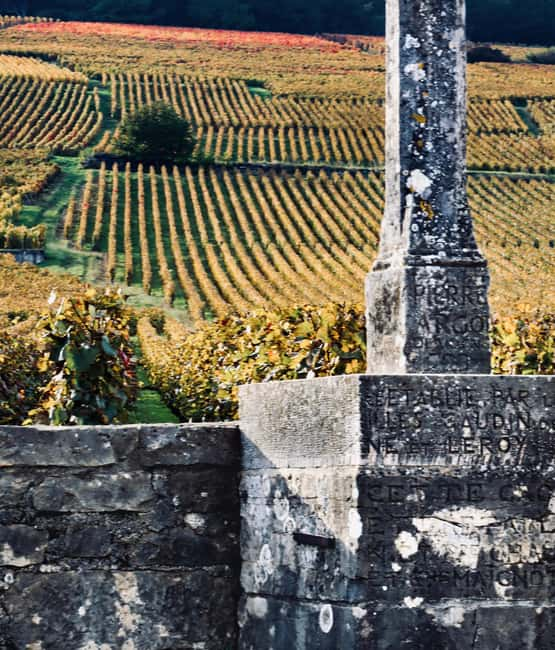
Review · FRANCE
Côte de Nuits: Excursion in the heart of the vineyards
The real draw here is the chance to see Burgundy’s famous Côte de Nuits in one compact outing, then taste the wines in the place where they are made. From Beaune, you ride into vineyard country with a guide such as Rémi or Thelmas, who explains why a few rows of vines can command such different prices.
I like the eight-person limit, which keeps the minivan friendly and gives you a fair chance to ask questions. I also like the practical sequence: famous vineyard sites first, cellar visit next, and a comparative tasting of six wines at the end. The main consideration is time. At 150 minutes, this is a brisk introduction, not a slow day spent wandering from one producer to another.
Key points
- See celebrated Côte de Nuits vineyards: Pass Romanée-Conti, Richebourg, Clos de Vougeot, Bonnes Mares, and Chambertin.
- Keep the group small: The minivan carries no more than eight participants.
- Learn how Burgundy is classified: The guide covers terroir, vineyard rankings, and the yearly work of the vine.
- Visit a working wine cellar: The tour moves beyond scenery to explain how the wine is made.
- Taste six estate wines: The final tasting lets you compare bottles side by side.
- Start and finish in Beaune: Meet outside the tourist office at Porte Marie de Bourgogne.
Why the Côte de Nuits matters
Burgundy can look puzzling at first. A narrow strip of vineyards is divided into named parcels, villages, and classifications, and the price of a bottle may change sharply from one plot to the next. This excursion gives you a useful framework before you face a wine list or enter a cellar on your own.
The Côte de Nuits is especially important because it contains some of Burgundy’s most famous red wine villages and vineyard names. Romanée-Conti, Richebourg, Bonnes Mares, and Chambertin are not just labels on expensive bottles. They are specific places, and seeing them helps connect the names to the ground, slopes, and villages where the grapes grow.
You will not simply be driven past a series of signs. The guide explains classification, terroir, and how vines work through the year. Those topics can sound technical, but they matter if you want to understand why Burgundy’s wines taste different from one another and why the region is organized around place.
The company has operated in wine tourism since 1985, making it one of the longest-running local options of its kind. That matters less as a slogan than as a sign that the tour is built around local wine education rather than a quick photo stop.
Other vineyard visits we rate around France
- Saint-Émilion: Grand Cru Classé Winery Visit and Tasting
★ 4.6 · 1,118 reviews - Saint Emilion Half-Day Trip with Wine Tasting & Winery Visit from Bordeaux
★ 4.5 · 1,034 reviews - Saint-Émilion: Bordeaux Vineyard Tour and Wine Tasting
★ 4.8 · 578 reviews
Meeting at Beaune’s Porte Marie de Bourgogne
The tour begins in front of the Beaune Tourist Office at 6 Boulevard Perpreuil, by Porte Marie de Bourgogne. This is a sensible meeting point if you are staying in Beaune, since you can reach it before the minivan leaves without arranging a separate pickup.
The first drive takes about 20 minutes. That short ride shifts the mood from Beaune’s town center to the vineyard villages of the Côte de Nuits. Your guide drives and explains the region along the way, so the travel time becomes part of the lesson rather than dead time.
The tour is offered in English and French. If you need English, make sure you select the right option when booking, since the quality of any wine excursion depends heavily on being able to follow the explanations. The guide is central to the experience. Rémi received especially warm praise for his stories and anecdotes, while Thelmas was singled out for clear explanations and useful help with restaurant planning.
That last detail is worth noting. A good local guide can often help you make sense of the rest of your Burgundy visit, not just the two and a half hours in the van. Still, the tour is about the vineyards and wine, so do not expect a general Beaune sightseeing trip.
From Romanée-Conti to Chambertin
The route takes you past several of the Côte de Nuits’ best-known vineyard names: Romanée-Conti, Richebourg, Clos de Vougeot, Bonnes Mares, and Chambertin. These names carry serious weight in Burgundy, and seeing them in sequence gives you a quick lesson in the region’s hierarchy.
Romanée-Conti and Richebourg represent the prestige attached to tiny, highly valued vineyard parcels. Clos de Vougeot offers another useful point of reference because its name is familiar even to people who know little about Burgundy. Bonnes Mares and Chambertin add further examples of how villages and individual vineyard sites shape the region’s identity.
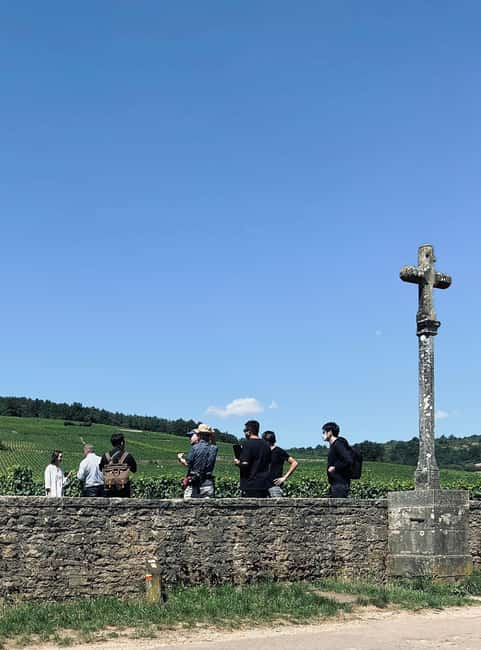
The value here is not that you will suddenly become an expert in every classification. In 45 minutes of walking and touring in the Côte de Nuits, you can begin to see that Burgundy’s wine culture is tied to exact places. The guide fills in the details, explaining the classifications, the meaning of terroir, and the work required from one season to the next.
Expect the walking portion to be focused and purposeful rather than a long countryside hike. The supplied schedule gives 45 minutes for the Côte de Nuits walk, so wear shoes suitable for vineyard paths and keep your expectations realistic. This is a short field lesson, not an all-day ramble.
The scenery is a major part of the appeal, but the explanations are what give it lasting value. Without context, a vineyard can look like rows of vines. With a guide pointing out the famous parcels and explaining their place in Burgundy’s system, the view becomes easier to read.
Learning what terroir means in practical terms
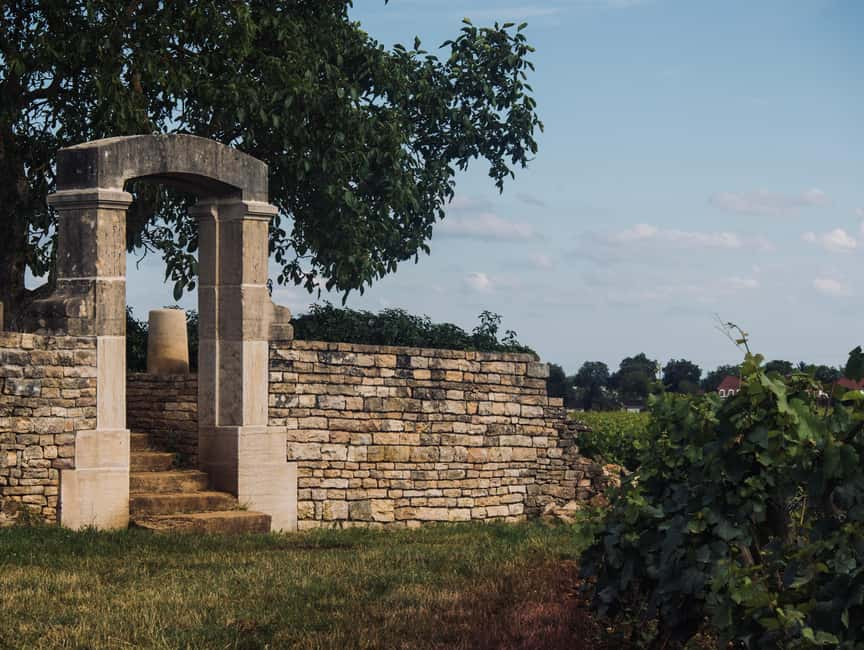
The word terroir appears constantly in Burgundy, and it can become vague unless someone explains it plainly. Here, the guide covers what the term means in relation to the region, how vineyards are classified, and how vines develop during the year.
That seasonal information is particularly useful. Wine is not made only during harvest. The condition and care of the vines throughout the year affect what eventually reaches the cellar. A short explanation of that cycle helps you understand why winemaking involves patience and repeated decisions, not just picking grapes and filling bottles.
The tour also addresses the secrets of the region, but the useful part is the concrete information about vineyard work and wine production. Ask questions during the drive and walk if you have them. With a maximum of eight people, the setting should make conversation easier than on a large coach excursion.
The guide’s style may shape your experience. The strong comments about Rémi focused on history and anecdotes, while the praise for Thelmas emphasized professionalism, friendliness, and detailed regional explanations. Those are different strengths, but both point to the guide as an important part of the value.
Same grapes, a different estate to taste:
- Bordeaux: Vineyards Wine Tasting Half-Day Trip
★ 4.2 · 470 reviews - Half-Day Wine tour across Bordeaux’s Vineyards
★ 3.5 · 429 reviews - Saint-Émilion: Vineyard Walking Tour and Tasting
★ 5.0 · 404 reviews - Small-Group Full-Day Tour of Côte de Nuits, Côte de Beaune Vineyards and Beaune Historical District
★ 5.0 · 364 reviews
Inside the winegrower’s cellar
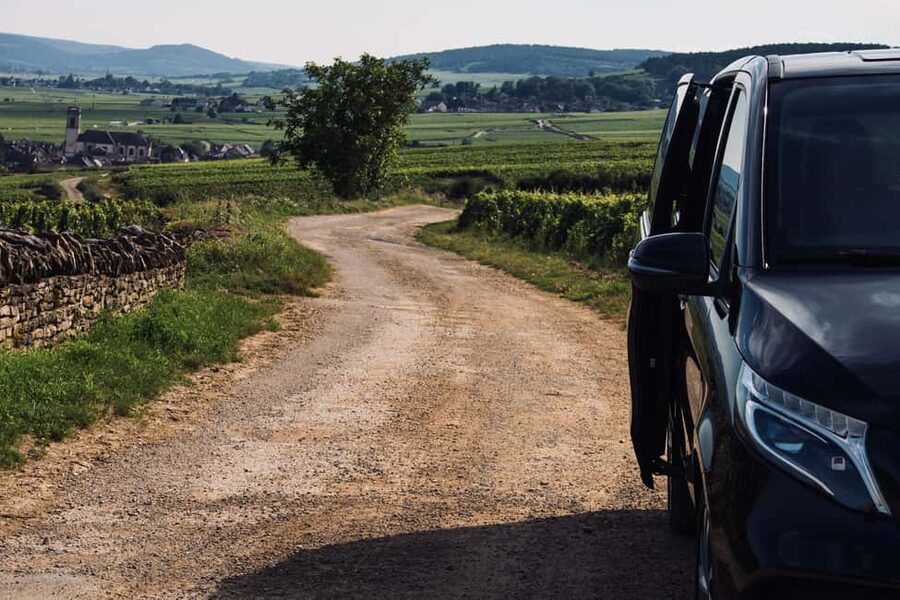
After the vineyard portion, you visit a winegrower’s cellar. This is where the excursion moves from place to production. You get to consider how grapes from the surrounding vineyards become the wines you will taste later.
The cellar visit is included in the price, along with the minivan, guide, explanations, and tasting. That all-in-one structure is helpful because you do not need to arrange a separate producer visit or pay additional admission during the outing.
One itinerary description places the tasting stop in Nuits-Saint-Georges, while a tour comment identifies the cellar as being in Gevrey-Chambertin. The important practical point is that the experience includes a winegrower’s cellar in the Côte de Nuits area, not simply a tasting room in Beaune. Exact producer details may depend on the departure date or operating schedule.
You should also understand the scale. A cellar visit during a 150-minute tour will be an introduction. You will learn how the wines are made, but you should not expect a long technical winery seminar or a full-day appointment with several producers.
Six wines, tasted side by side
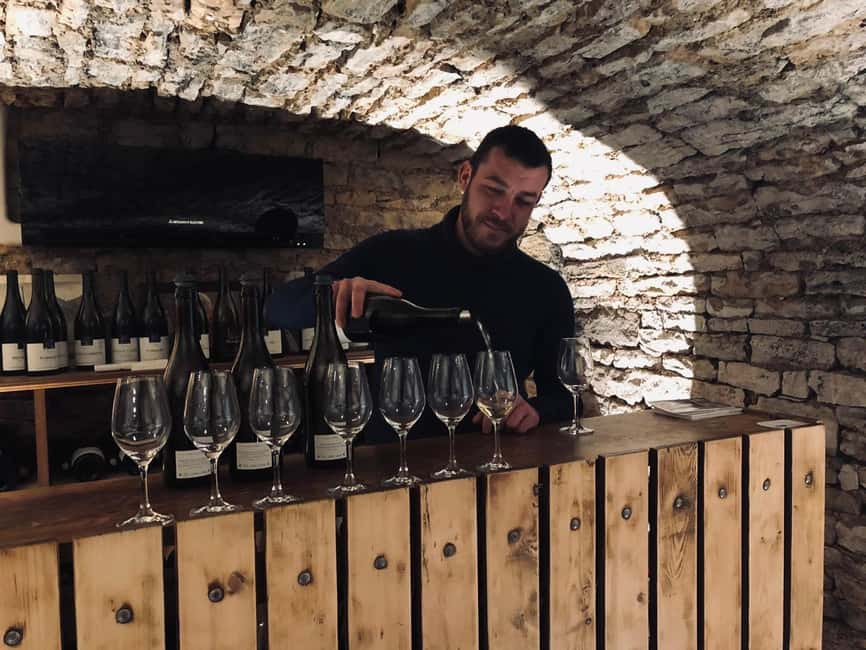
The final tasting includes six wines from the estate. This comparative format is one of the strongest parts of the tour because tasting several wines together gives you a better sense of difference than sampling one bottle in isolation.
Pay attention to how the wines compare. The point is not to identify every aroma or pretend that you have become a sommelier. Notice how the guide connects the wines to their vineyard sources, production methods, or place within the estate. That comparison helps make the earlier discussion of terroir more concrete.
A review described the cellar tasting in Gevrey-Chambertin as an excellent ending to the tour. That makes sense structurally: after seeing the vineyards and hearing how the wines are made, you have a reason for each glass. The tasting is not an unrelated add-on.
Six wines can also be enough for some people. If you are new to wine, the range may feel like a lot in a short period, especially if you are trying to take notes and follow the explanation. Pace yourself and focus on comparison rather than quantity.
Is $57 a fair price?
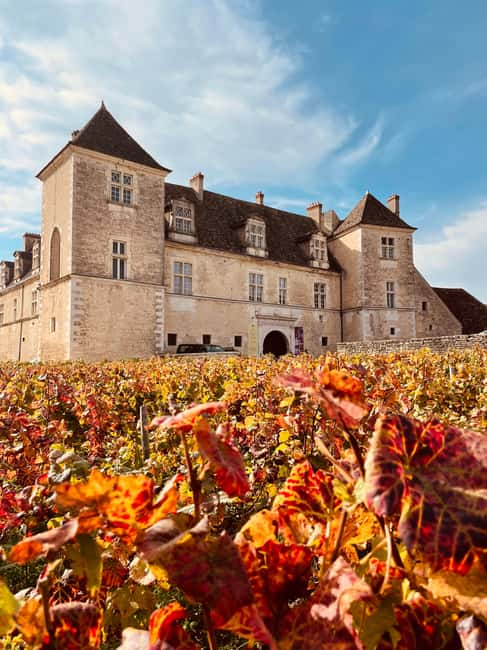
At $57 per person, the tour offers solid value if you want transport and instruction in one package. The price includes the round-trip minivan ride from Beaune, the driver-guide, the vineyard explanations, the walk, the cellar visit, and six wines from the estate.
A self-guided visit would cost less in some cases, but it would not give you the same route, commentary, or easy access to several famous vineyard names in one morning or afternoon. You would also need to arrange transport from Beaune to the Côte de Nuits and find a producer willing to receive you.
The tradeoff is depth. You are paying for an efficient introduction, not a private day with a winemaker. If you already know Burgundy well, the tour may cover familiar ground too quickly. If the classification system still seems confusing, the short format can be just right.
The small group improves the value. Eight people is enough to keep the tour social but small enough for questions and direct contact with the guide. It also avoids the feel of a large bus excursion, which would be a poor match for a region built around small vineyard parcels and personal cellar visits.
Who will enjoy this excursion most?
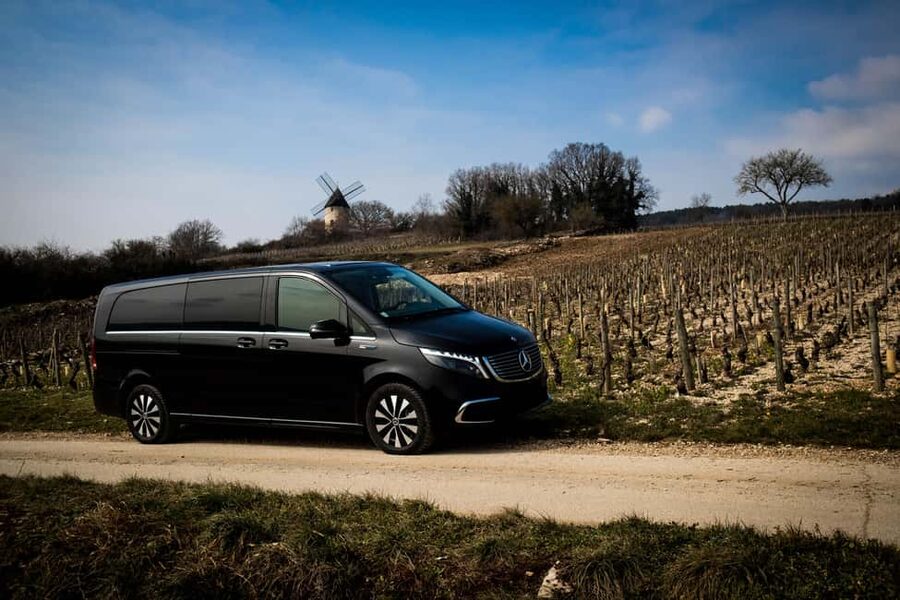
I would recommend this tour to a first-time Burgundy visitor who wants to understand the Côte de Nuits without renting a car or planning several appointments. It also suits couples and small groups who prefer a guided outing over a formal lecture.
Wine drinkers will get the most from it, but you do not need advanced knowledge. The guide explains the basics of classification, terroir, vine care, and winemaking, then reinforces those ideas with six wines.
It is also useful for anyone based in Beaune who wants to see beyond the town. The Côte de Nuits is not far away, yet arranging transport and selecting stops can take time. This tour handles the driving and creates a clear sequence of vineyard, cellar, and tasting.
I would be more cautious if you want a slow, highly personal winery day. The schedule is tight, and the group may include people with different levels of wine interest. You should also think twice if you dislike structured tastings or vineyard walks.
The tour is not presented as wheelchair-accessible, and no specific accessibility details are provided. If mobility is a concern, ask the operator before booking rather than assuming that the minivan, vineyard paths, and cellar will suit your needs.
Timing, cancellations, and useful planning tips
The full experience lasts 150 minutes, including about 20 minutes by van in each direction and a 45-minute portion in the Côte de Nuits. The remaining time covers the cellar visit and one-hour tasting stop listed in the schedule.
Starting times vary, so check availability for your date. The tour returns to the same meeting area in Beaune, making it easier to plan another activity afterward, though I would leave a little breathing room in case the tasting or drive runs late.
You can cancel up to 24 hours before departure for a full refund. The reserve-now, pay-later option also helps if your Burgundy plans are still shifting. Those terms are useful, but check the booking conditions for your exact date before relying on them.
Bring curiosity more than equipment. Comfortable shoes make sense for the vineyard walk, and a small notebook could help if you want to remember classifications or wine names. Since some material may be presented in its original language, confirm your preferred tour language when reserving.
Should you book the Côte de Nuits tour?
Book it if you want a compact, well-organized introduction to Burgundy’s most famous wine country. The combination of small-group transport, named Côte de Nuits vineyards, a cellar visit, and six comparative wines gives you more than a scenic drive.
The strongest reason to choose it is efficiency. In 150 minutes, you see important vineyard sites, learn how Burgundy is organized, and taste estate wines without arranging separate transport or appointments. Guides such as Rémi and Thelmas also appear to bring a personal, helpful touch to the route.
Skip it if you want a full day at one producer, a long vineyard hike, or advanced technical study. For most visitors staying in Beaune, though, $57 is a reasonable price for a focused introduction that can make the rest of your Burgundy wine experience easier to understand.
FAQ
Where does the tour start?
The meeting point is in front of the Beaune Tourist Office at Porte Marie de Bourgogne, 6 Boulevard Perpreuil.
How long does the excursion last?
The excursion lasts 150 minutes, or two and a half hours.
How much does the tour cost?
The listed price is $57 per person.
How many people are in the group?
The tour is limited to eight participants.
Which languages are available?
The live tour guide is available in English and French. Some content may be presented in its original language.
Which vineyards can you see?
The route passes vineyards including Romanée-Conti, Richebourg, Clos de Vougeot, Bonnes Mares, and Chambertin.
Is wine tasting included?
Yes. The tour finishes with a comparative tasting of six wines from the estate.
Is transportation included?
Yes. The price includes the minivan, driver-guide, transport from Beaune, and the return trip.
Can you cancel for a refund?
You can cancel up to 24 hours in advance for a full refund. A reserve-now, pay-later option is also available.
Newly reviewed vineyards around France
- Vosne-Romanée: Private Vineyards Walking Tour with Tasting★ 4.4 · 9 reviews
- Vineyard of the Alpilles by bike★ 4.6 · 8 reviews
- Vineyard tour and wine tasting in Davron★ 4.5 · 7 reviews
- Private Vineyard Tour and Wine Tasting in Bandol★ 5.0 · 16 reviews
- Vineyard visit in Gyropode, visit of Cave & Tasting Wines of Bandol★ 5.0 · 19 reviews
- Bike ride on the Wine Route from Sélestat★ 5.0 · 5 reviews
- Horse riding in the vineyards of Grimaud + wine tasting★ 5.0 · 3 reviews
- 1/2 day private Vintage tour, vineyards of Saint-Tropez★ 5.0 · 6 reviews
France Vineyard Tours, compared.
Saint-Émilion: Grand Cru Classé Winery Visit and Tasting
Read our review →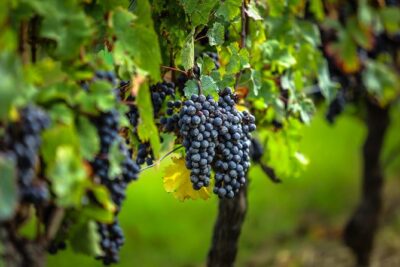
Saint Emilion Half-Day Trip with Wine Tasting & Winery Visit from Bordeaux
Read our review →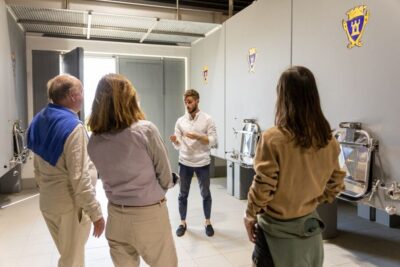
Saint-Émilion: Bordeaux Vineyard Tour and Wine Tasting
Read our review →
Saint-Émilion: Vineyard Walking Tour and Tasting
Read our review →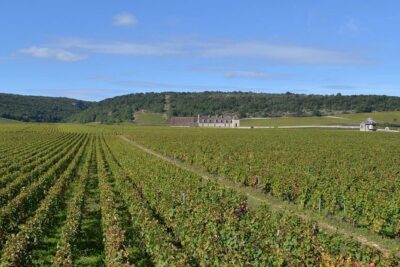
Small-Group Full-Day Tour of Côte de Nuits, Côte de Beaune Vineyards and Beaune Historical District
Read our review →
Lists this tour appears in