
Review · FRANCE
Margaux – Discovery tour of the vineyard with a tasting of 4 wines
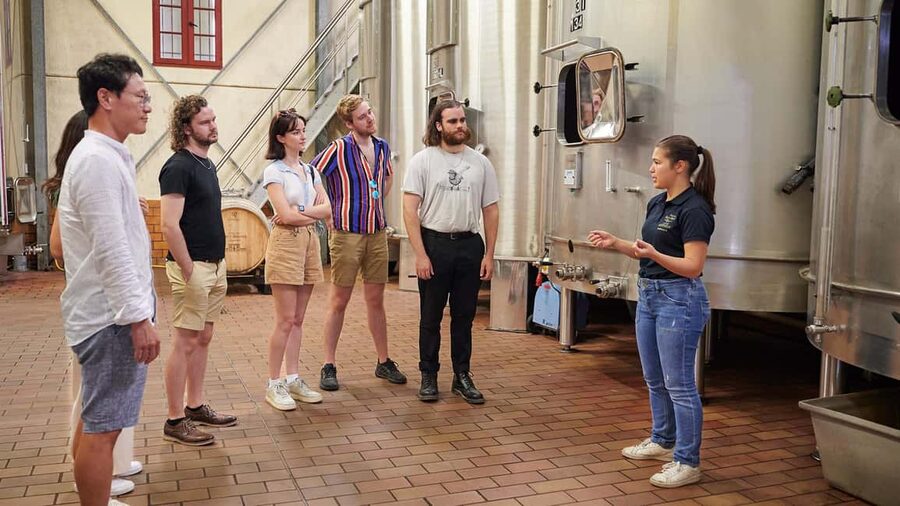
At Château Haut-Breton Larigaudière, you get a compact look at Margaux winemaking that goes beyond simply standing at a tasting counter. The hour includes the family estate, its vat room, its barrel cellar, and four wines explained as you taste them.
I like the small group, limited to 10 people, and the chance to see the working side of production before tasting the finished wine. I also like the price: at $17 per person, this is an easy way to add a genuine château visit to a Bordeaux-area day. The main drawback is the short length. If you want a long vineyard walk, an extensive food pairing, or a detailed technical wine class, this experience may feel brief.
Key points at a glance
- Four wines in one hour: The tasting gives you a useful range without taking half a day.
- A working family estate: Learn how the De Schepper family has cultivated vines for three generations.
- Vat room and barrel cellar: You see the places where fermentation, ageing, and other stages of production take place.
- Small groups of 10: A limited group makes it easier to hear the guide and ask questions.
- French or English guidance: Guides such as Thomas, Orane, and Martins have been praised for clear explanations.
- Good value at $17: The price covers both the estate tour and the guided tasting, but not bottles or other purchases.
Entering the Margaux appellation through a family estate
The appeal here is simple: you are not only tasting Margaux wine, you are being shown where it is made. The De Schepper family has worked this property for three generations, giving the visit a personal angle that a purely commercial tasting room may not provide.
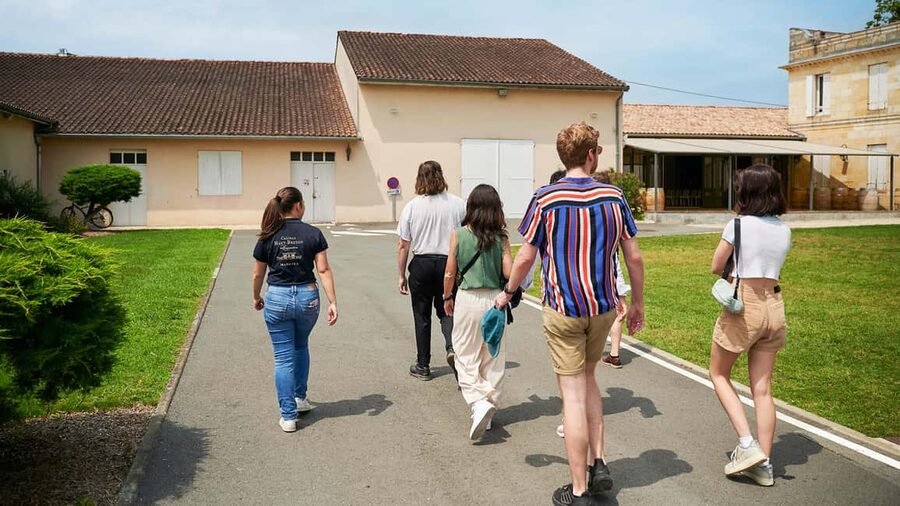
Your tour begins at the château shop. Arrive five minutes before the start so the group can leave on time. The meeting point is easy to understand, but do not assume the shop is only a place to buy bottles. It is also the starting point for the guided visit and tasting.
The Margaux appellation matters because the name on the bottle reflects a defined wine-growing area and a particular local tradition. A good guide will connect the estate’s vineyards and cellar work to that appellation, helping you understand why the same grape varieties can taste different from one Bordeaux area to another.
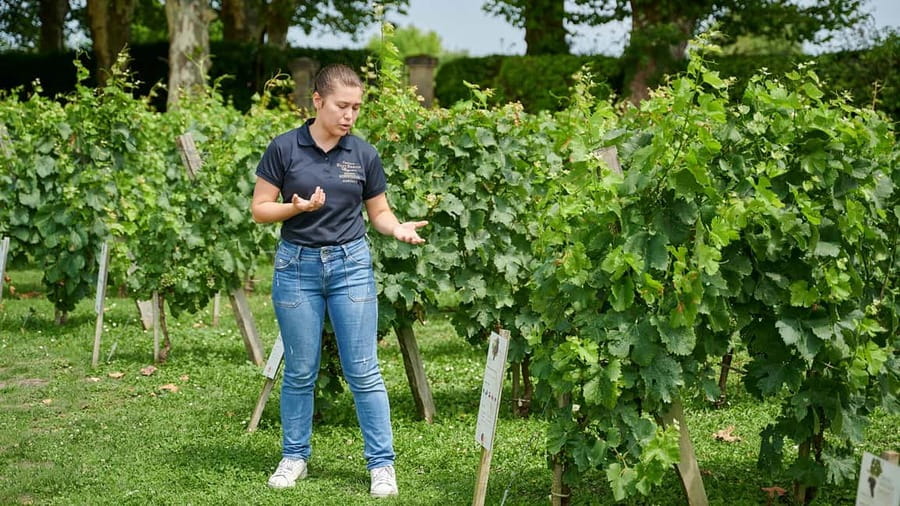
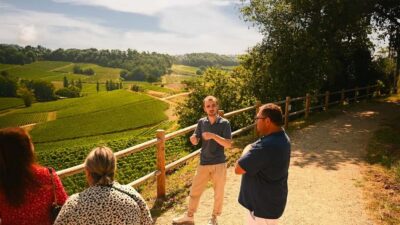
You should expect the guide to explain the estate’s story and the main stages of production rather than lead a long outdoor walk. The supplied details focus on the château, vat room, barrel cellar, harvest, and bottling. If your main aim is to inspect vines up close, ask at the beginning how much of the visit takes place outdoors.
Other vineyard visits we rate around France
- Saint-Émilion: Grand Cru Classé Winery Visit and Tasting
★ 4.6 · 1,118 reviews - Saint Emilion Half-Day Trip with Wine Tasting & Winery Visit from Bordeaux
★ 4.5 · 1,034 reviews - Saint-Émilion: Bordeaux Vineyard Tour and Wine Tasting
★ 4.8 · 578 reviews
What the vat room tells you about winemaking
The vat room is where the harvested grapes begin their transformation into wine. This part of the tour gives you a useful bridge between vineyard work and the bottle in your glass.
You will learn about the process from grape harvest through to bottling. The visit does not promise a hands-on harvest activity, and the exact production activity you see can vary by season. Still, seeing the equipment and hearing how each stage is handled helps put the tasting into context.
I like this part because it answers a question many first-time wine visitors have: what happens between picking grapes and opening a bottle? The guide can explain the decisions involved in handling the grapes and managing the wine, instead of leaving the experience at the level of aromas and labels.
The short duration also has a benefit here. You get the basic process without being buried under technical terms. Guides Thomas, Orane, and Martins have each been described as clear and friendly, while one less enthusiastic assessment found the delivery too much like a rehearsed school lesson. That is a fair warning: the quality of the hour depends partly on the guide’s energy and your own questions.
If you are curious, ask about the stage being discussed, how the cellar work affects the finished wine, and what you should notice in the tasting. A small group gives you a better chance to get an answer than a large coach tour would.
Inside the barrel cellar
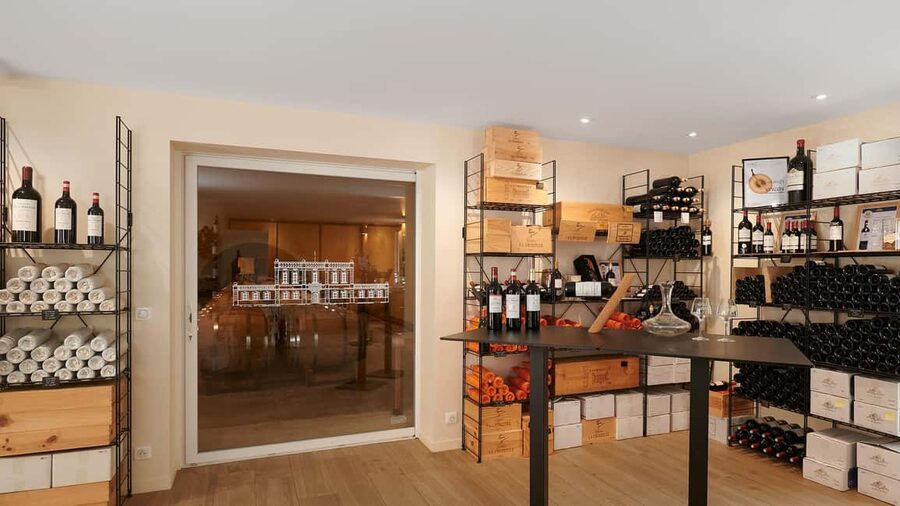
The barrel cellar adds another layer to the visit. Here, the focus shifts from the early stages of winemaking to the period when wine is held and develops before bottling.
A cellar visit is valuable even if you already know the basic theory. It gives you a physical sense of the production chain. First you hear about the harvest and vat room, then you see where the wine rests, and finally you taste selected examples.
The tour description does not specify the number of barrels, the exact cellar conditions, or the length of ageing for each wine, so do not book this expecting a full technical audit of the estate. Instead, think of the cellar as one part of a clear one-hour introduction.
This is also where the family-estate setting helps. The De Schepper family’s three generations of work provide a human thread through the visit. You are learning about a business and a craft carried on over time, not just about a bottle as a finished product.
The four-wine tasting, explained as you go
The tasting is the payoff, but it is not treated as a separate, unexplained pour. Four wines are selected by the estate’s team, and the guide comments on each one, including its aromas and winemaking details.
Four wines is a sensible number for a one-hour experience. You taste enough to compare differences, but not so many that the final glass becomes a blur. For a visitor with little tasting experience, the guide’s comments can help you put ordinary sensations into words.
The exact wines are not listed in the available information, so you should not expect a guaranteed set of named vintages or a fixed flight. Selection may depend on what the château chooses to present. The important point is that the tasting includes four wines and guided explanation.
Good tasting instruction is less about finding the correct answer and more about noticing what is in your own glass. Listen for the guide’s description of aromas, then take a moment to decide what you smell and taste. You do not need a trained palate to take part.
Several guides have received strong praise for making this stage clear and enjoyable. Orane was specifically described as passionate, with excellent English, and the wines were considered interesting and delicious. Thomas was noted for friendly, instructive explanations, while Martins was singled out as a highlight of the tour. These names are useful if you are booking for language comfort, though guide assignment is not guaranteed.
The one caution is worth keeping in mind. One assessment found the explanation too scripted and lacking passion. That does not erase the strong overall response, but it reminds you that a wine visit can feel different depending on presentation. If the guide moves quickly through the material, ask direct questions and use the tasting to make the experience your own.
Same grapes, a different estate to taste:
- Bordeaux: Vineyards Wine Tasting Half-Day Trip
★ 4.2 · 470 reviews - Half-Day Wine tour across Bordeaux’s Vineyards
★ 3.5 · 429 reviews - Saint-Émilion: Vineyard Walking Tour and Tasting
★ 5.0 · 404 reviews - Small-Group Full-Day Tour of Côte de Nuits, Côte de Beaune Vineyards and Beaune Historical District
★ 5.0 · 364 reviews
Why the $17 price works
At $17 per person, the tour offers good value for anyone already planning to visit the Margaux area. Your fee covers a guided estate tour and a guided tasting of four wines. That is a useful combination, particularly if you want more than a single tasting-room pour.
The price is also low enough to fit into a day with other Bordeaux-area stops. You are not committing to a long, expensive wine program. One hour leaves room for lunch, another château, or time in a nearby town.
Value depends on what you want. If you care most about tasting several wines while learning how the estate operates, the price is attractive. If you want a meal, a vineyard walk, extensive cellar access, or a private appointment, those features are not included.
Additional purchases at the shop cost extra. This sounds obvious, but it matters in practice. The tour price covers the scheduled experience, not bottles or other items you may choose to buy afterward.
The ability to reserve now and pay later adds flexibility, while cancellation is free up to 24 hours before the activity for a full refund. Those terms are helpful when you are fitting the visit around changing plans, but the most important value remains the content: a family estate, production areas, and four wines for a modest fee.
A small group changes the feel
The group is limited to 10 participants. That is small enough for the guide to keep the explanation focused and for you to ask questions without stopping a large crowd.
A small group is especially useful in the cellar and tasting area. You are more likely to hear the details and see what the guide is pointing out. It also keeps the visit from feeling like a rushed procession through the estate.
The tour lasts one hour, so expect a tidy pace. The guide has to cover the family story, Margaux, the vat room, the barrel cellar, and four wines within that time. You will get an introduction rather than an exhaustive study.
I would choose this format if you are new to wine tourism, traveling with someone who has limited time, or adding a short stop to a wider Bordeaux itinerary. I would choose a longer private experience if you already know Margaux well and want production figures, vintage comparisons, or extensive time with the winemaking team.
Languages, access, and who should book
The tour is offered in French and English. Some content may be presented in its original language, so tell the booking provider your preferred language and confirm it when you arrive. English-language feedback has been especially positive for clarity, including comments about Orane’s English and another guide’s clear spoken explanations.
The experience is wheelchair accessible. That makes it a practical choice for visitors who need an accessible activity, although the supplied information does not describe every surface or the exact route through each room. If you have specific mobility needs, confirm the details before booking.
This is an adults-only activity. Children under 18 are not suitable for the tour, so it is aimed at adult couples, friends, solo visitors, and wine-focused groups.
I would also recommend it to people who want a first introduction to Margaux without spending a full day at a château. You do not need advanced wine knowledge. The guide’s role is to explain the estate and the wines in a direct, approachable way.
How to get more from the one-hour visit
Arrive at the château boutique five minutes early. That small margin matters because the visit is short, and a late arrival can mean missing the opening explanation.
Before the tour begins, think of one question you want answered. You might ask how the estate’s family ownership shapes the work, what the vat room contributes to the wine, or what the guide wants you to notice in the four glasses.
During the tasting, avoid treating the guide’s description as a test. Smell and taste at your own pace. If you find one wine more appealing than another, ask why that difference might exist. The small group makes this kind of conversation possible.
Leave time after the formal experience if you may want to buy wine. Purchases are not included, and the château shop is where the tour begins. The supplied information does not promise a shipping service or specific bottle availability, so ask the staff directly about any purchase details.
Should you book Château Haut-Breton Larigaudière?
Book this tour if you want an affordable, well-contained introduction to a Margaux family estate. The strongest reasons are the working vat room and barrel cellar, four guided wines, a small group, and a one-hour schedule that fits neatly into a busy day.
I would be more cautious if you want a long outdoor vineyard visit, a meal, or a highly technical private lesson. The experience is designed as a concise overview, not a full-day wine seminar.
For most adults visiting the Bordeaux wine region, $17 is a reasonable price for the combination of place, explanation, and tasting. Go in expecting a clear introduction rather than a grand production, arrive early, and ask questions. That is how you will get the most from this short visit.
FAQ
How long does the Margaux estate tour last?
The activity lasts one hour.
What does the tour include?
It includes a guided tour of the estate and a guided tasting of four wines.
Where does the tour begin?
The tour begins at the château’s shop, or boutique. You should arrive five minutes before the activity starts.
Is the tour available in English?
Yes. The tour is offered in French and English. Some content may be presented in its original language.
Are children allowed to join?
No. The activity is not suitable for children under 18.
Can I cancel the booking?
Yes. You can cancel up to 24 hours in advance for a full refund. You can also reserve now and pay later.
Newly reviewed vineyards around France
- Vosne-Romanée: Private Vineyards Walking Tour with Tasting★ 4.4 · 9 reviews
- Vineyard of the Alpilles by bike★ 4.6 · 8 reviews
- Vineyard tour and wine tasting in Davron★ 4.5 · 7 reviews
- Private Vineyard Tour and Wine Tasting in Bandol★ 5.0 · 16 reviews
- Vineyard visit in Gyropode, visit of Cave & Tasting Wines of Bandol★ 5.0 · 19 reviews
- Bike ride on the Wine Route from Sélestat★ 5.0 · 5 reviews
- Horse riding in the vineyards of Grimaud + wine tasting★ 5.0 · 3 reviews
- 1/2 day private Vintage tour, vineyards of Saint-Tropez★ 5.0 · 6 reviews
France Vineyard Tours, compared.
Saint-Émilion: Grand Cru Classé Winery Visit and Tasting
Read our review →
Saint Emilion Half-Day Trip with Wine Tasting & Winery Visit from Bordeaux
Read our review →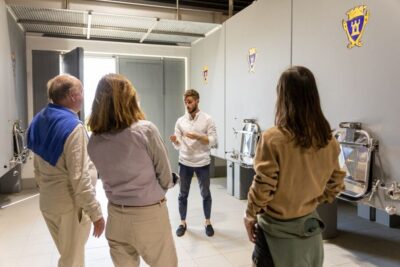
Saint-Émilion: Bordeaux Vineyard Tour and Wine Tasting
Read our review →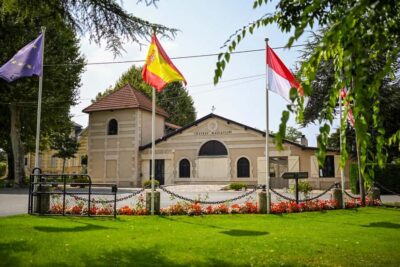
Saint-Émilion: Vineyard Walking Tour and Tasting
Read our review →
Small-Group Full-Day Tour of Côte de Nuits, Côte de Beaune Vineyards and Beaune Historical District
Read our review →
Lists this tour appears in