
Review · SAINT-ÉMILION
Saint-Émilion: Family Vineyard Visit with Wine Tasting
At Château Haute-Nauve, wine is not presented as a polished showpiece. Marie-Anne or Florent, mother and son of the estate’s fourth generation, take you through the working vineyard, tanks, and barrel cellar before pouring four wines. I like the direct access to the family and the clear look at what happens between grape and bottle. The main drawback is getting there, since transportation is not included and the château is outside the village center.
I also like the small-group limit of 10 people, which makes it easier to ask questions and follow the explanations in French or English. The tasting is generous for the price, with two Grand Cru selections, a Saint-Émilion, and a rosé. Allow a little extra time if you want to buy wine, since the relaxed tasting often leads to a pleasant conversation rather than a quick pour-and-go visit.
Key points at a glance
- Meet the fourth generation: Marie-Anne or Florent personally leads the visit and explains the family estate.
- See the full production chain: Walk from vineyard to vinification cellar, tanks, barrels, and tasting glass.
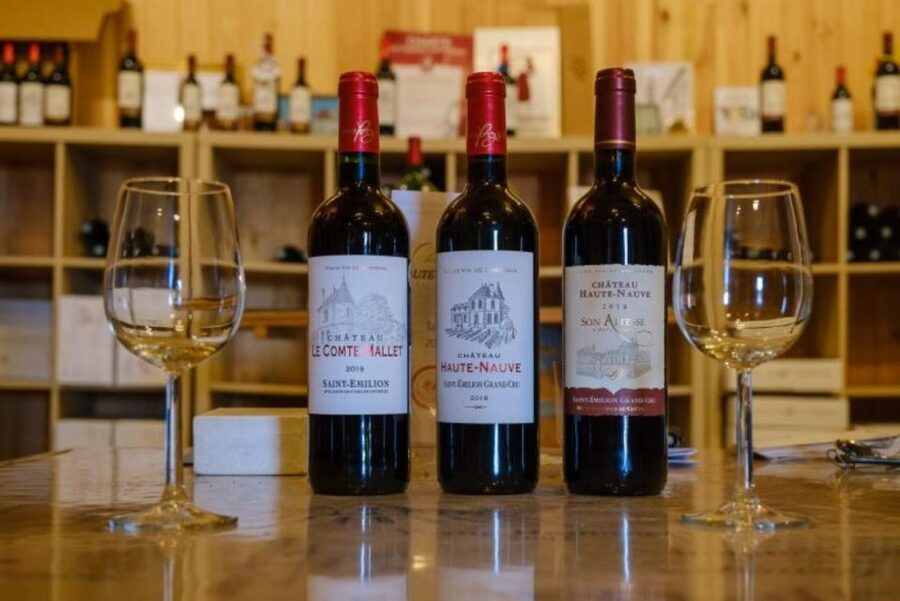
- Taste four estate wines: The tasting includes two Saint-Émilion Grand Cru wines, one Saint-Émilion, and one rosé.
- Small group, useful questions: With no more than 10 participants, the visit feels personal and easy to follow.
- Good value at $18: The price includes the tour, cellar visits, explanations, and four wines.
- Plan your transport: You go directly to Château Haute-Nauve, and food and transportation are not included.
A family vineyard visit, not a grand château production
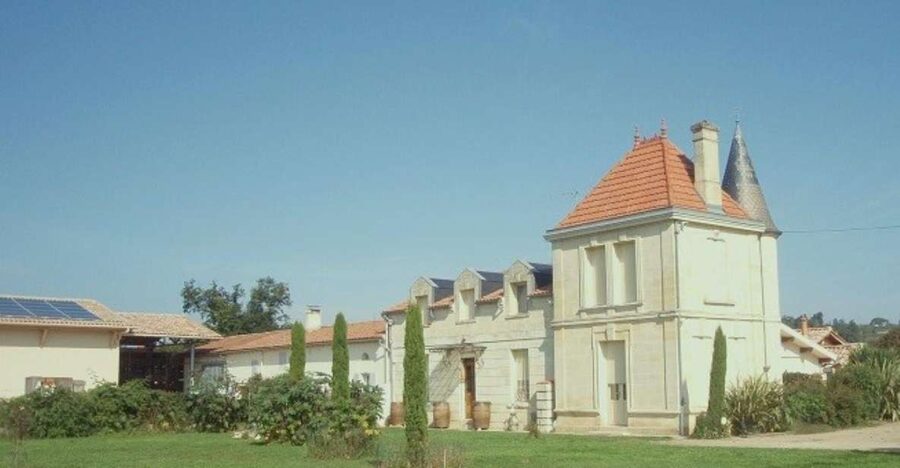
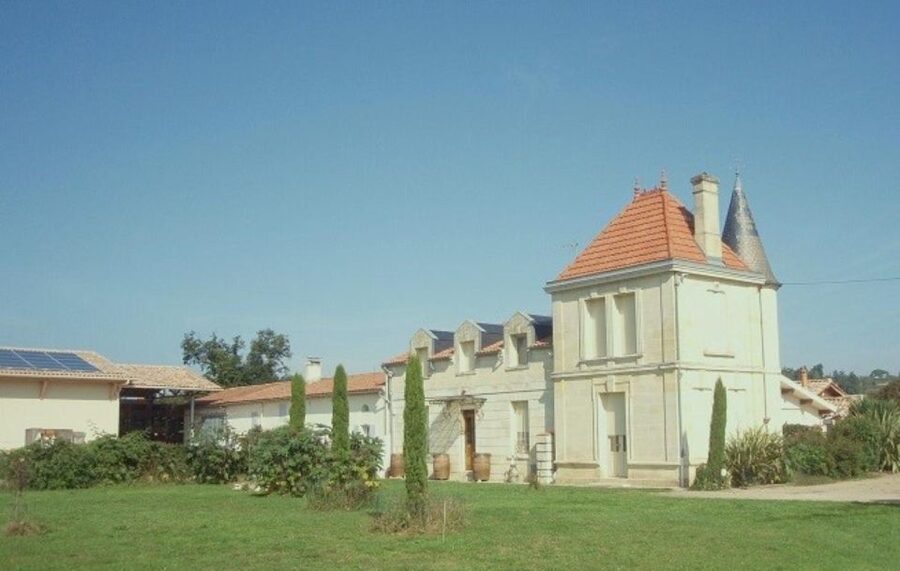
Saint-Émilion is famous for its grand names and polished tasting rooms, but Château Haute-Nauve offers something more personal. The estate has belonged to the same family since 1930, and the tour is led by people who are still closely involved with the property.
That family connection changes the tone. You are not simply shown a display about old barrels and famous labels. Florent, or his mother Marie-Anne, explains how the estate works and answers questions about both traditional methods and present-day production.
Florent receives especially warm praise for his friendly style, humor, patience, and passion. He has also used videos to make technical parts of the process easier to understand. That matters if you know little about wine. You can ask what pumping means, why pressing matters, or how aging changes the wine without feeling out of place.
The visit lasts about 75 minutes, though the conversation may run longer. That flexible feeling is part of the charm, but it also means the experience may not feel tightly timed. If you have a train, lunch reservation, or another château visit immediately afterward, leave a buffer.
Other vineyard visits we rate around France
- Saint-Émilion: Grand Cru Classé Winery Visit and Tasting
★ 4.6 · 1,118 reviews - Saint Emilion Half-Day Trip with Wine Tasting & Winery Visit from Bordeaux
★ 4.5 · 1,034 reviews - Saint-Émilion: Bordeaux Vineyard Tour and Wine Tasting
★ 4.8 · 578 reviews
Starting among the vines
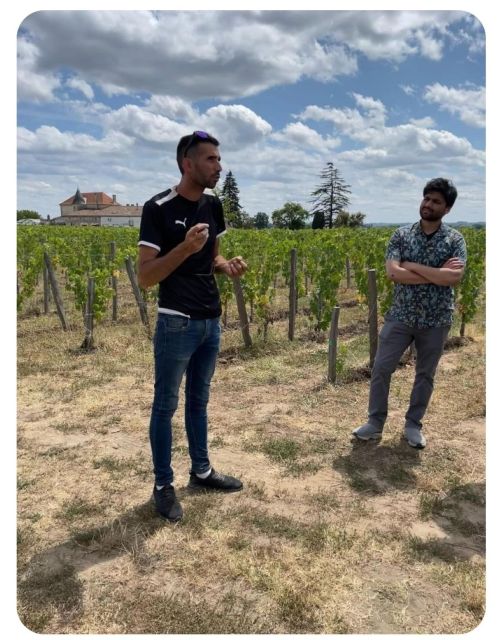
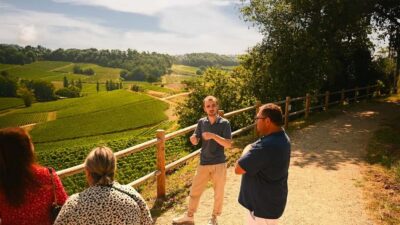
The tour begins with the vineyard and the estate’s place within the Saint-Émilion appellation. You learn about the grape varieties used in the area and how the work in the vines shapes the wine that later reaches your glass.
This first stop gives the rest of the tour a useful foundation. Rather than tasting a Bordeaux wine as an abstract product, you can connect it to the soil, vines, harvest, and local rules discussed during the visit. The explanation is not limited to tasting words. It covers the practical work that starts well before grapes reach the cellar.
The outdoor portion is weather-dependent, so dress for the day. Comfortable shoes are important, since you will be walking around the estate. A hat is also recommended, especially in warm weather. On a rainy day, the tour can still work well because much of the visit takes place indoors, but the vineyard portion may be less comfortable.
Do not expect a long countryside hike. This is a working winery visit, not a walking tour of all Saint-Émilion. The value comes from seeing how the vineyard connects with the production rooms and from having a family owner explain the process.
From grapes to wine in the vinification cellar
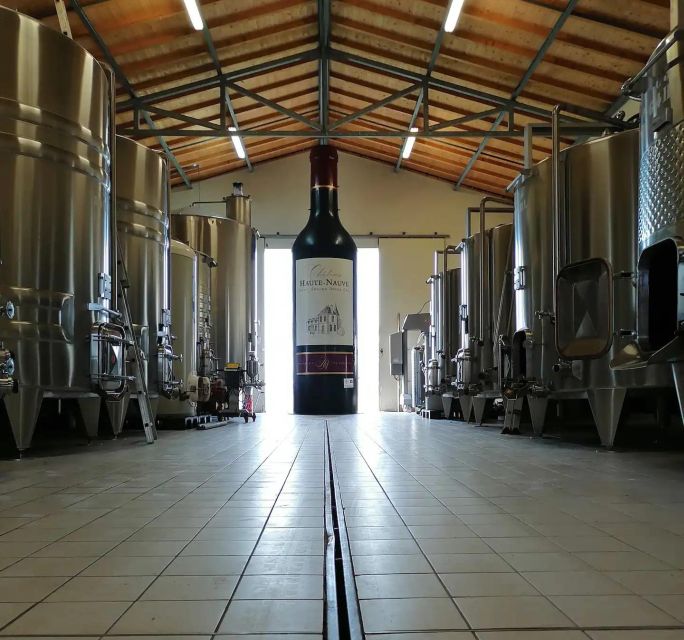
Next, you enter the vinification cellar, where the focus shifts from growing grapes to turning them into wine. The tour explains fermentation, pumping, and pressing, along with the role of the tanks in this stage of production.
These are the terms that can sound technical during a typical wine tasting. Here, they are tied to the actual equipment in front of you. You can see where the wine is handled and ask how each step affects the final result.
Pumping and pressing are not just pieces of wine vocabulary. They influence how the juice and skins are handled, how much structure is drawn from the grapes, and how the wine moves through production. The visit does not turn you into a winemaker in an hour, but it gives you enough working knowledge to understand what you are drinking later.
I appreciate that the tour covers the complete chain rather than skipping straight to the tasting. It helps explain why two wines from the same estate can taste different, and why the production method matters as much as the label.
The cellar is also a useful part of the visit for anyone who enjoys practical details. If you are already interested in wine, you can ask more specific questions. If you are new to Bordeaux, the guide’s plain explanations help keep the subject from becoming overly technical.
Traditional aging in the barrel cellar
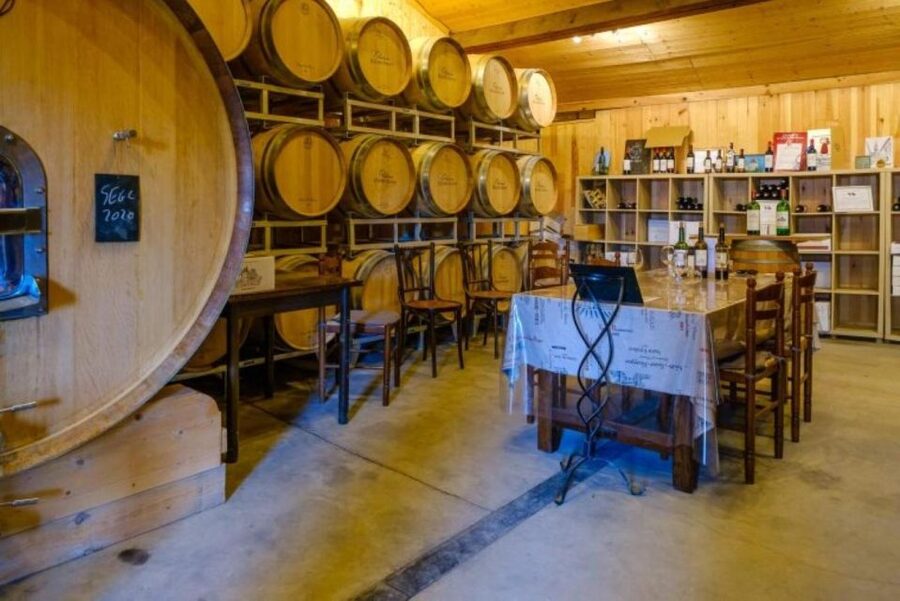
The barrel cellar provides the most atmospheric part of the tour. Here, you see how wines are aged and learn about the estate’s traditional approach.
Barrel aging is one of the easiest parts of wine production to romanticize, with rows of wood and dim cellar light. The useful part of this visit is that the atmosphere comes with an explanation. You learn how the wine’s time in the cellar fits into the wider production process, rather than simply being shown a room that looks good in photographs.
The estate also takes pride in keeping traditional methods while testing new ideas. That balance came through strongly during the visit. Château Haute-Nauve is not presented as a museum piece. It is a family business working with its heritage while making choices for current wine production.
This is also where the family ownership feels most meaningful. A fourth-generation owner can explain not only what happens in the cellar, but why certain methods have been kept. You get a sense of the estate as a continuing business, not just a historic property attached to a label.
Same grapes, a different estate to taste:
- Bordeaux: Vineyards Wine Tasting Half-Day Trip
★ 4.2 · 470 reviews - Half-Day Wine tour across Bordeaux’s Vineyards
★ 3.5 · 429 reviews - Saint-Émilion: Vineyard Walking Tour and Tasting
★ 5.0 · 404 reviews - Small-Group Full-Day Tour of Côte de Nuits, Côte de Beaune Vineyards and Beaune Historical District
★ 5.0 · 364 reviews
Four wines, with a useful range of styles
The tour ends with a guided tasting of four Château Haute-Nauve wines:
- Two Saint-Émilion Grand Cru selections
- One Saint-Émilion wine
- One rosé
That lineup gives you more range than a tasting focused on one category. The Grand Cru wines let you explore the estate’s more prestigious bottles, while the Saint-Émilion and rosé provide a broader view of its production.
The tasting is described as relaxed, and that is important. You are not rushed through four glasses while trying to remember a long list of aromas. Florent’s friendly manner and willingness to answer questions make it easier to compare the wines at your own pace.
I would use this part of the visit to ask direct questions. Which wine is best with a meal? How long should a bottle be kept? What makes the Grand Cru different from the Saint-Émilion wine? The format gives you room to ask those basic questions without needing formal wine knowledge.
The tasting also gives the $18 price real value. A guided visit, cellar access, family storytelling, and four wines would already make the fee reasonable. The inclusion of two Grand Cru selections makes it especially attractive for anyone who wants a first look at Saint-Émilion wine without paying for a much longer or more formal experience.
Wine purchases are optional. You can buy bottles at the estate, and shipping can be arranged if you do not want to carry them through the rest of your trip. Several people have bought bottles or even boxes after tasting, which suggests the sales portion is handled as a natural extension of the visit rather than a hard sell.
What the $18 price really gets you
At $18 per person, this is one of the more accessible ways to visit a Saint-Émilion winery. The fee covers the vineyard tour, explanations of production, access to the tank and barrel cellars, and four wines.
The strongest value comes from the owner-led format. A large commercial visit may offer more polished facilities, but you may spend less time with the person responsible for the estate. At Château Haute-Nauve, the family connection is central to the experience.
You should keep your expectations in line with the price. This is not a full meal, a half-day wine course, or a private tasting with extensive food pairings. Food is not included, and the visit focuses on the winery itself.
The small group size helps the value. Ten people is small enough for questions and conversation, while still allowing the tour to run efficiently. If your group is very small, the visit may feel almost private, although the exact group on your date will vary.
Getting to Château Haute-Nauve
The meeting point is Château Haute-Nauve itself. Transportation is not included, so you need to plan your route before booking.
If you are staying in Saint-Émilion, check the journey time carefully rather than assuming the château is beside the village’s main sights. A taxi or ride-hailing service may be the simplest option. One useful suggestion from the experience is to consider Bolt or Uber when traveling from Saint-Émilion, if service is available at your time of day.
Do not build your schedule around a quick walk from the village unless you have confirmed the route and timing. The practical issue is not difficult, but it can affect the whole afternoon if ignored.
Wear comfortable shoes and bring a hat. The visit includes outdoor vineyard time and cellar floors, so smart but uncomfortable footwear is a poor choice. Bring a light layer if you are sensitive to cooler indoor spaces, though no specific cellar temperature is provided.
The tour is offered in French and English. If you are joining an English-language group, the guide can explain technical points clearly, and you can ask for clarification when needed.
Who will enjoy this experience most
I would recommend this visit to anyone who wants a friendly introduction to Bordeaux wine without committing to a long lesson. It suits couples, families with older children interested in food or farming, and small groups of friends.
It is particularly good for you if:
- You want to meet the people behind a family estate.
- You prefer a working winery to a large, formal attraction.
- You want to see tanks and barrels, not just taste finished wine.
- You are curious about how fermentation, pumping, and pressing work.
- You would like to taste several wines before deciding what to buy.
- You value a small group and the chance to ask questions.
It may be less suitable if you want a grand architectural tour, a meal, extensive food pairings, or a full-day wine itinerary. The focus is the vineyard and production process, not the broader sights of Saint-Émilion.
The outdoor section may also be less appealing in poor weather, though the indoor cellars and tasting keep the visit worthwhile. If your interest is mainly scenery, you may want a different activity. If your interest is understanding how wine is made, this format is a better match.
Booking details worth knowing
You can cancel up to 24 hours before the activity for a full refund. You can also reserve now and pay later, which helps if you are still arranging your Saint-Émilion schedule.
The advertised duration is 75 minutes, but do not treat that as a strict cutoff. Florent has sometimes continued well beyond the planned time when questions and conversation were flowing. That generosity is a plus, but you should still allow extra time for the tasting and any wine purchase.
The tour has a maximum of 10 participants. Starting times vary, so check availability for your date. The guide is either Marie-Anne or Florent, and both represent the family’s fourth generation at the estate.
Should you book Château Haute-Nauve?
Yes, if you want a personal, practical introduction to Saint-Émilion wine at a modest price. The combination of a family owner, full production visit, four-wine tasting, and small group makes this a strong choice for curious beginners and wine drinkers who want more context behind the bottle.
I would book it as long as you are comfortable arranging your own transportation and do not expect food or a grand château spectacle. Choose comfortable shoes, leave time after the scheduled 75 minutes, and consider shipping bottles home if you find a favorite.
FAQ
How long does the Château Haute-Nauve visit last?
The activity lasts about 75 minutes. The visit may continue longer if the group has questions or spends extra time talking and tasting.
Which wines are included in the tasting?
You taste four Château Haute-Nauve wines: two Saint-Émilion Grand Cru selections, one Saint-Émilion wine, and one rosé.
Who leads the tour?
The tour is led by Marie-Anne or Florent, mother and son and fourth-generation owners of the family estate.
Is the tour offered in English?
Yes. The live guide can conduct the tour in French or English.
Is transportation included?
No. You need to go directly to Château Haute-Nauve, and transportation is not included in the price.
Can I buy or ship wine after the tasting?
Yes. You can purchase your favorite wines at the estate or arrange to have them shipped so you do not need to carry them home.
Newly reviewed vineyards around France
- Vosne-Romanée: Private Vineyards Walking Tour with Tasting★ 4.4 · 9 reviews
- Vineyard of the Alpilles by bike★ 4.6 · 8 reviews
- Vineyard tour and wine tasting in Davron★ 4.5 · 7 reviews
- Private Vineyard Tour and Wine Tasting in Bandol★ 5.0 · 16 reviews
- Vineyard visit in Gyropode, visit of Cave & Tasting Wines of Bandol★ 5.0 · 19 reviews
- Bike ride on the Wine Route from Sélestat★ 5.0 · 5 reviews
- Horse riding in the vineyards of Grimaud + wine tasting★ 5.0 · 3 reviews
- 1/2 day private Vintage tour, vineyards of Saint-Tropez★ 5.0 · 6 reviews
Saint Emilion Vineyard Tours, compared.
Saint-Émilion: Grand Cru Classé Winery Visit and Tasting
Read our review →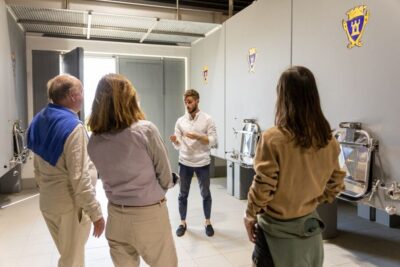
Saint-Émilion: Bordeaux Vineyard Tour and Wine Tasting
Read our review →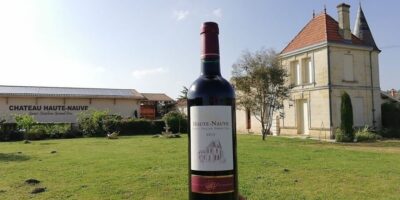
Saint-Émilion: Vineyard Walking Tour and Tasting
Read our review →
Saint-Emilion: Grand Cru Classé Guided Winery Visit & Picnic
Read our review →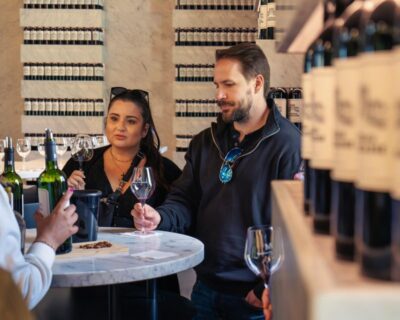
Saint-Emilion: Morning Tour with Wine Tasting & Snack
Read our review →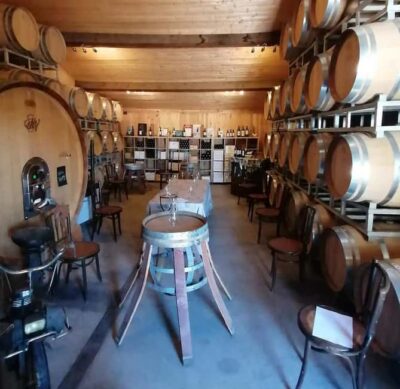
Saint-Emilion : Tasting of 4 wines in a family vineyard
Read our review →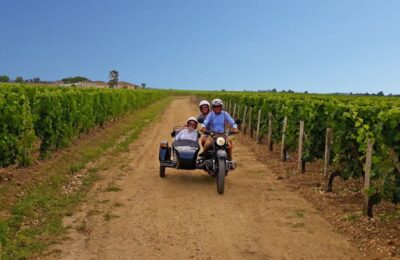
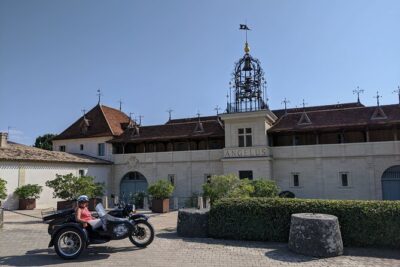
Private ride through the vineyards from Saint-Emilion – 1h30
Read our review →Lists this tour appears in